


Eye Inflammation
Care Options for Eye Inflammation
Eye Inflammation can range from mild irritation to urgent eye disease. This category page helps patients and caregivers browse related conditions and care pathways. Eye Inflammation often shows up as eye irritation and redness, itchy watery eyes, or a red and swollen eye. It can also include an inflamed eyelid, gritty sensation, or eye pain and light sensitivity. Causes vary, so the same symptom can point to different issues.
Many cases involve conjunctivitis (surface inflammation), blepharitis (eyelid margin inflammation), or dry eye. Others relate to keratitis (cornea inflammation), uveitis (inner eye inflammation), or iritis (iris inflammation). Some problems come from allergy triggers, infections, or autoimmune inflammation. This browse page focuses on safe, practical context and navigation support.
Quick tip: Keep notes on timing, triggers, and contact lens use.
Eye Inflammation: What You’ll Find
This collection groups common eye-related condition pages that overlap in symptoms. Many people start with “redness” or “swelling,” then discover several possible explanations. Here, it is easier to compare symptom patterns and common terms. It also helps when deciding what to read next.
Listings on this page focus on condition-level information, not self-diagnosis. They can clarify how clinicians describe “inflammation” versus “infection,” and why that difference matters. Some topics highlight when in-person eye exams are usually needed. Others cover day-to-day comfort topics like tearing, burning, or crusting.
Medispress visits can be completed by video with licensed U.S. clinicians.
- Plain-language definitions for common eye inflammation terms
- Examples of symptom patterns that can overlap
- Navigation to related conditions that often get confused
- High-level safety signals that may need urgent evaluation
- Administrative notes on prescription requirements and verification
How to Choose
When several conditions look alike, details help narrow the right path. Eye Inflammation can involve the eyelids, the surface, or deeper eye structures. This section highlights what often matters in intake questions. It also helps when organizing information for a clinician.
Match the symptom pattern
- Itching and watery tearing often points toward allergy patterns.
- Thick discharge and stuck eyelids can suggest an infectious process.
- Burning, fluctuating vision, or dryness can fit dry eye patterns.
- Light sensitivity and deeper ache can signal internal inflammation.
- Localized eyelid swelling can relate to lid margin issues.
Check key risk factors and context
- Contact lens related eye inflammation often needs careful triage.
- Recent cold symptoms can overlap with viral conjunctivitis symptoms.
- Autoimmune eye inflammation may track with joint or skin disease.
- Eye inflammation in children can spread quickly in group settings.
- Recent trauma, chemical exposure, or foreign bodies change urgency.
It also helps to note what improves or worsens symptoms. Examples include wind exposure, screen use, or seasonal changes. These details support eye inflammation diagnosis discussions during visits. They can also guide which related condition page fits best.
Safety and Use Notes
Some symptom clusters need prompt in-person assessment to protect vision. Eye Inflammation can reflect a deeper issue like uveitis or keratitis. Severe pain, sudden vision change, or marked light sensitivity matters. These signals can indicate complications that do not wait.
For a neutral overview of warning signs, see guidance from the American Academy of Ophthalmology on red-eye symptoms. Contact lens wear adds specific risks, especially with sleeping in lenses. For lens hygiene basics, review the CDC contact lens safety overview.
Why it matters: Vision-threatening problems can look like simple irritation early.
- Sudden vision loss, halos, or a new “curtain” over vision
- Severe, deep eye pain or pain with eye movement
- Marked light sensitivity or headache with nausea
- Worsening swelling after trauma or chemical exposure
- High-risk immune status, including certain autoimmune treatments
Visits take place in a secure, HIPAA-compliant app for protected messaging and video.
Many people ask about home remedies for eye inflammation, like cool compresses. Comfort measures may help some symptoms, but they do not replace evaluation. Using another person’s drops can add risks and confusion. The label and clinician instructions should guide any medication use.
Access and Prescription Requirements
Some options for Eye Inflammation are over-the-counter, while others require a prescription. Prescription-only products require a valid clinician order before dispensing. Pharmacies also typically verify patient identity and prescription details. These steps support safe and compliant access.
When appropriate, clinicians can coordinate prescription options through partner pharmacies, subject to state rules.
- Expect questions about symptoms, timing, and exposure risks.
- Be ready to share medication allergies and current medication lists.
- Photos can help, but they do not replace an eye exam.
- Some cases still need urgent in-person eye evaluation.
- Cash-pay access is available, often without insurance, when applicable.
Telehealth can work best for symptom review, history, and triage decisions. For certain red-eye cases, clinicians may recommend in-person slit-lamp exams. That is especially true for contact lens wearers and eye pain with light sensitivity. These boundaries help prevent missed diagnoses.
Related Resources
This collection connects eye-specific pages and broader inflammation topics. Eye Inflammation often overlaps with allergy, dryness, and pain symptoms. Browsing nearby categories can help compare language and common pathways. It also helps sort eye infection vs allergy questions before a visit.
- Browse allergy-related irritation in Eye Allergy.
- Review infectious patterns in Bacterial Eye Infection.
- Compare burning and fluctuating vision in Dry Eye.
- Explore discomfort patterns in Eye Pain.
- See broader context in Inflammation and Oral Inflammation.
- For wider browsing, visit Pain And Inflammation.
This content is for informational purposes only and is not a substitute for professional medical advice.

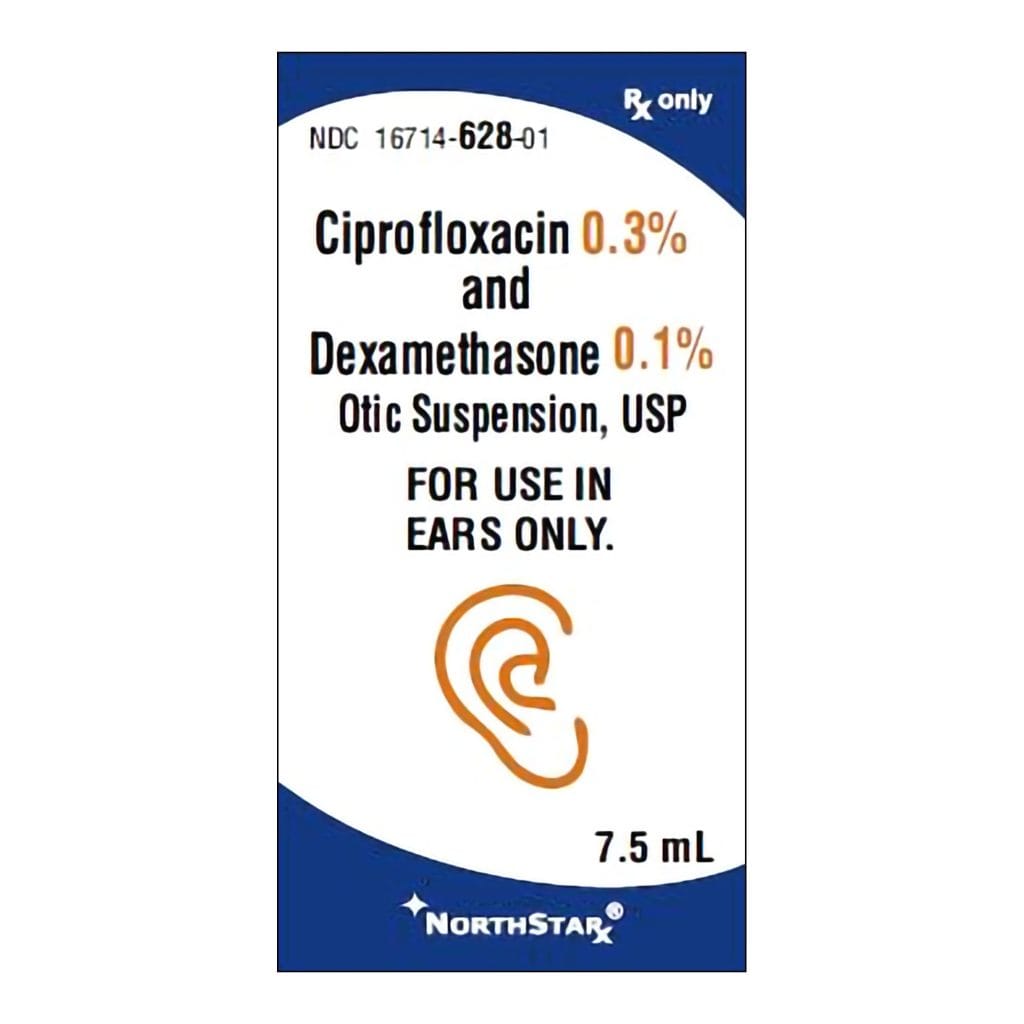
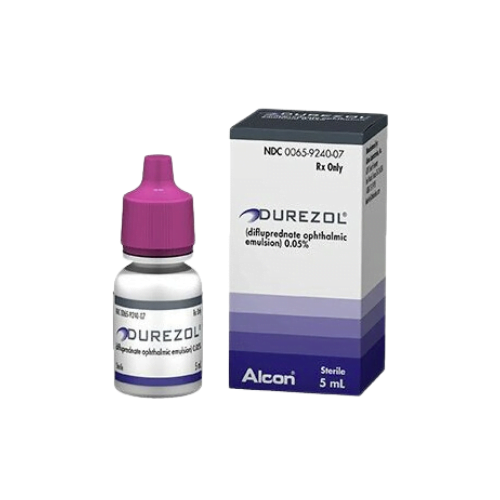
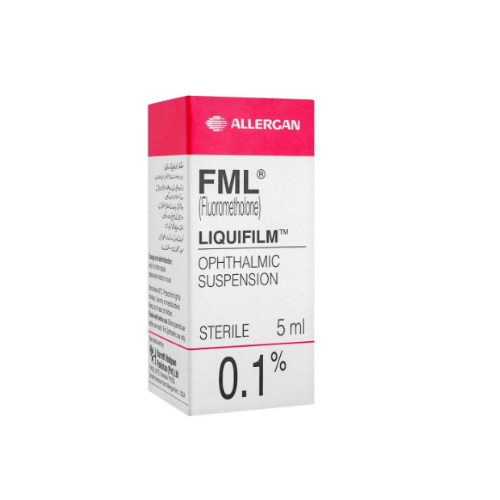
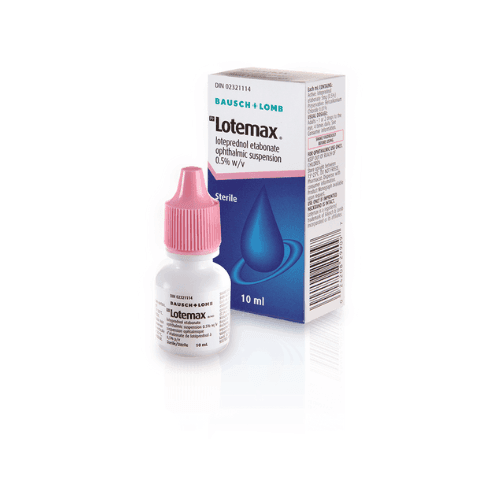
Find suitable medication for Eye Inflammation


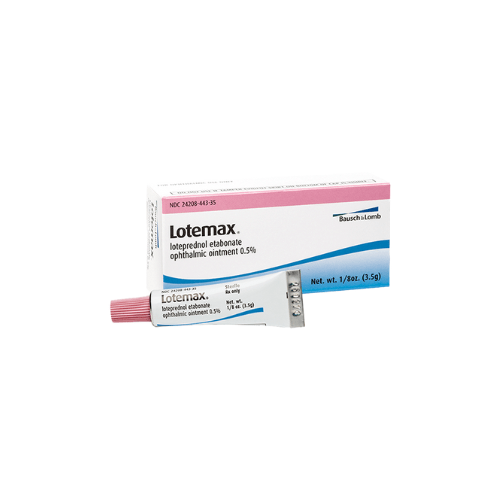

Book a telehealth visit to discuss Eye Inflammation
Find a doctor
Speciality
State

Video Visit
$69

Video Visit
$69

Video Visit
$69

Video Visit
$69

Video Visit
$69

Video Visit
$69

Speciality: Dermatology, Family Medicine, Men's Health, Urgent Care, Women's health
Speaks: English, Spanish, French, Arabic, Portuguese
Video Visit
$69

Video Visit
$69

Video Visit
$69

Video Visit
$69

Video Visit
$69

Video Visit
$69
Frequently Asked Questions
What conditions can cause a red and swollen eye?
A red and swollen eye can have several causes, and many look alike early. Common possibilities include allergies, viral or bacterial conjunctivitis, dry eye irritation, and eyelid inflammation like blepharitis. Contact lens wear can also raise concern for corneal involvement. Deeper inflammation, such as uveitis or scleritis, is less common but important. Because appearance alone can mislead, clinicians often rely on symptoms, timing, and exam findings to sort causes.
How can allergy and infection look different?
Allergy patterns often include itching, watery tearing, and symptoms in both eyes. Infection patterns can include thicker discharge, eyelids stuck shut, and recent exposure to someone sick. Either pattern can still cause redness and irritation. Dry eye can also mimic both, especially with burning and fluctuating comfort. Since overlap is common, symptom pattern does not confirm a diagnosis. A clinician may ask about timing, exposures, contact lenses, and pain level to clarify next steps.
When is eye inflammation considered urgent?
Urgent evaluation is often recommended with sudden vision change, severe eye pain, or strong light sensitivity. Worsening swelling after trauma or chemical exposure also raises concern. Contact lens wear with significant pain or reduced vision can be higher risk. Headache with nausea and eye redness can also be a warning sign. These situations may need in-person assessment and testing. If symptoms feel severe or rapidly worsening, emergency or urgent eye care may be appropriate.
Can telehealth help with eye inflammation concerns?
Telehealth can help with history review, symptom triage, and deciding whether in-person care is needed. Video visits may also support follow-up questions about known conditions. Clinicians make all clinical decisions based on symptoms and available information. In some cases, a video visit may not be enough for safe diagnosis. When prescriptions are clinically appropriate, clinicians may coordinate options through partner pharmacies, following state and dispensing rules.
What information is helpful to share during a video visit for eye symptoms?
Helpful details include when symptoms started, whether one or both eyes are involved, and the type of discharge. Pain level, light sensitivity, and vision changes are also important. Contact lens use, recent illness, allergy triggers, and recent eye trauma can change risk. A medication list and allergy history can prevent avoidable problems. Clear photos can sometimes support the conversation, but they do not replace an eye exam when one is needed.