
Search
Search Medispress
Search things like Weight Loss, Diabetes, Emergency Care or New York
Consult a Doctor Online
Fast & Secure Appointments
Available Anytime, Anywhere
Expert Care Across Specialties
Easy Prescription Management & Refills
Eye Allergy

Care Options for Eye Allergy

Itchy, watery, red eyes can disrupt school, work, and sleep. This category page covers common Eye Allergy concerns and related care options. It also explains what may trigger symptoms and when extra caution matters.

Many cases fall under allergic conjunctivitis (allergy-related eye surface inflammation). Triggers can include pollen, pet dander, and dust mites. Visits are video-based with licensed U.S. clinicians.

Eye Allergy: What You’ll Find

This collection brings together practical browsing for eye-related allergy care. It focuses on what people often compare when symptoms flare. That includes drop types, ingredient classes, and use-case fit.

It can also help separate allergy patterns from other causes of red eyes. Dryness can mimic allergy discomfort, especially with screens or low humidity. Ongoing irritation may overlap with issues like Dry Eye or broader Eye Inflammation.

Some people mainly notice itching and tearing. Others notice swollen eyelids, burning, or light sensitivity. The goal here is to make options easier to compare, without guessing a diagnosis.

  • Common eye allergy symptoms and typical patterns
  • Trigger examples, including seasonal and year-round exposures
  • Overview of drop categories, like antihistamines and lubricants
  • Safety notes for contact lens wearers and frequent drop use
  • Navigation to related eye and allergy resources

How to Choose

Start by naming the main complaint in plain words. Then match it to the simplest category that fits. This keeps browsing focused and reduces confusion.

Eye Allergy often causes intense itching more than true pain. Watery eyes and sneezing can support an allergy pattern. Thick discharge and strong grittiness can point elsewhere.

Match Symptoms to Likely Triggers

  • Seasonality: spring and fall often suggest pollen exposure
  • Perennial symptoms: consider dust, pets, or indoor mold
  • Setting: symptoms that worsen outside can suggest airborne triggers
  • Contacts: lenses can trap allergens and worsen irritation
  • New products: cosmetics and facial cleansers can irritate eyelids

Quick tip: Note dates, locations, and exposures to spot repeating patterns.

Compare Drop Types and Formats

  • Antihistamine eye drops may help itch-driven flare ups
  • Mast cell stabilizer (allergy-trigger dampener) drops may help prevention
  • Lubricating drops can support comfort when dryness co-exists
  • Preservative-free options can matter with frequent daily use
  • Single-use vials versus multi-dose bottles can change convenience

For broader allergy context, browse the Allergy Immunology Category. Seasonal nasal symptoms can also track with eye flares. The Seasonal Allergic Rhinitis Tips page can help with terminology.

Safety and Use Notes

Most allergy-related irritation is uncomfortable but not dangerous. Still, red eyes can have many causes, including infection. It helps to keep a short safety checklist in mind.

Many Eye Allergy flares improve when triggers get reduced. Avoid rubbing when possible, since it can worsen swelling. A cool compress can feel soothing for itchy eyelids.

  • Contact lens wearers may need extra caution during active irritation
  • Do not share eye drops, even within the same household
  • Some “redness relief” drops can cause rebound redness with overuse
  • Check labels for contact lens warnings and preservative guidance
  • Use caution with multiple eye products used close together

Why it matters: Allergy redness can look like infection, but care needs differ.

Urgent evaluation matters with severe eye pain, vision changes, or light sensitivity. It also matters with heavy discharge, eye injury, or a foreign-body sensation. Those concerns may overlap with Bacterial Eye Infection or Eye Pain.

The app uses HIPAA-aligned safeguards to protect health information.

For symptom basics, see American Academy of Ophthalmology guidance on eye allergies. For infection warning signs, see CDC information on conjunctivitis.

Access and Prescription Requirements

Some options are over-the-counter, while others require a prescription. Requirements depend on the specific medication and state pharmacy rules. This page helps with navigation, not treatment decisions.

For Eye Allergy concerns, clinicians may review symptoms and exposures during a video visit. They can also ask about contact lenses and other eye conditions. When appropriate, clinicians can route prescriptions to partner pharmacies under state rules.

  • Prescription products require a clinician’s authorization and pharmacy verification
  • Medication lists and allergy histories can affect what is considered
  • Some people choose cash-pay options, often without insurance
  • Refills and substitutions depend on the prescription and pharmacy policies
  • State regulations can affect what can be prescribed and dispensed

For visit planning, review Telehealth Online Basics. A short checklist can also help, like Prepare For Telehealth Appointment. If tech issues come up, Tech Troubles Tips can reduce delays.

Related Resources

Allergy eye symptoms often connect with nose, skin, and asthma patterns. These links can help track Eye Allergy patterns across seasons. They also support browsing by specialty when questions run broader.

To explore care teams and common allergy topics, visit Allergy And Immunology. If symptoms shift toward frequent irritation, compare nearby eye collections listed above. Keeping notes on triggers, products used, and response can improve future conversations.

This content is for informational purposes only and is not a substitute for professional medical advice.

Find suitable medication for Eye Allergy
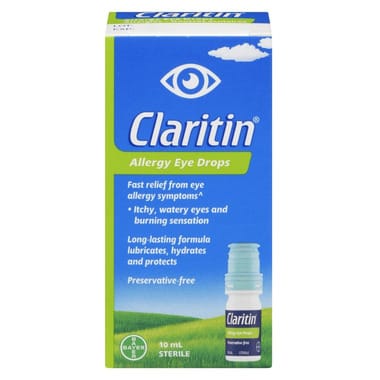
Book a telehealth visit to discuss Eye Allergy

Find a doctor

Speciality: Family Medicine
Speaks: English, Malayalam
Speciality: Internal Medicine
Speaks: English
Speciality: Pulmonology, Urgent Care
Speaks: English
Speciality: Dermatology, Urgent Care
Speaks: English
Speciality: Family Medicine
Speaks: English
Speciality: Family Medicine
Speaks: English, Spanish, Urdu, Punjabi
Speciality: Dermatology, Family Medicine, Men's Health, Urgent Care, Women's health
Speaks: English, Spanish, French, Arabic, Portuguese
Speciality: Family Medicine
Speaks: English
Speciality: Internal Medicine
Speaks: English, Urdu
Speciality: Family Medicine
Speaks: English
Speciality: Internal Medicine
Speaks: English
Speciality: Infectious Diseases, Internal Medicine
Speaks: English

Frequently Asked Questions