


Exocrine Pancreatic Insufficiency
Care Options for Exocrine Pancreatic Insufficiency
Exocrine Pancreatic Insufficiency can make it hard to digest food properly. Patients and caregivers often start with symptoms, then learn the terms. This category page brings those pieces together in one place.
Browse condition-focused information and, when available, prescription options that clinicians may consider. The goal is to support practical next steps, not self-treatment. Use this page to compare labels, learn common language, and understand access basics.
Exocrine Pancreatic Insufficiency: What You’ll Find
This collection focuses on digestive enzyme replacement basics and common care pathways. It helps explain why fat malabsorption (trouble absorbing fats) may lead to oily stools, weight changes, and low energy. It also introduces the kinds of prescription enzymes clinicians may use to support digestion.
Many people also see bloating, gas, or diarrhea after meals. Those symptoms overlap with other causes, so clear documentation matters. Notes about timing, meals, and symptom patterns can help during evaluation.
Medispress note: Visits are by video with licensed clinicians practicing in the U.S.
Within listings and supporting pages, the details typically focus on what is verifiable. That includes medication names, active ingredients, and practical use constraints. It also includes high-level context for related conditions like chronic pancreatitis, cystic fibrosis, and pancreatic cancer.
- Plain-language explanations of common EPI symptoms and terms
- Overviews of pancreatic enzyme replacement therapy and pancrelipase
- General nutrition topics, including fat soluble vitamin deficiency concerns
- Administrative notes on prescriptions, verification, and pharmacy coordination
How to Choose
Choosing among EPI resources works best when the basics are clear. Exocrine Pancreatic Insufficiency is often discussed with brand and generic names together. That can make browsing confusing at first.
Start by deciding what comparison is needed today. Some people need language for a clinician visit. Others need to understand how enzyme products differ in form and labeling.
Match the resource to the question
- Symptom clarity: steatorrhea (fatty, oily stools) versus other oily stools causes
- Context: chronic pancreatitis EPI, cystic fibrosis EPI, or celiac disease and EPI
- Differentials: small intestinal bacterial overgrowth differential and other look-alikes
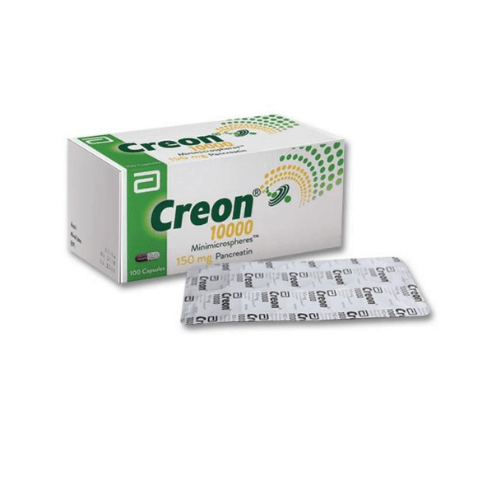
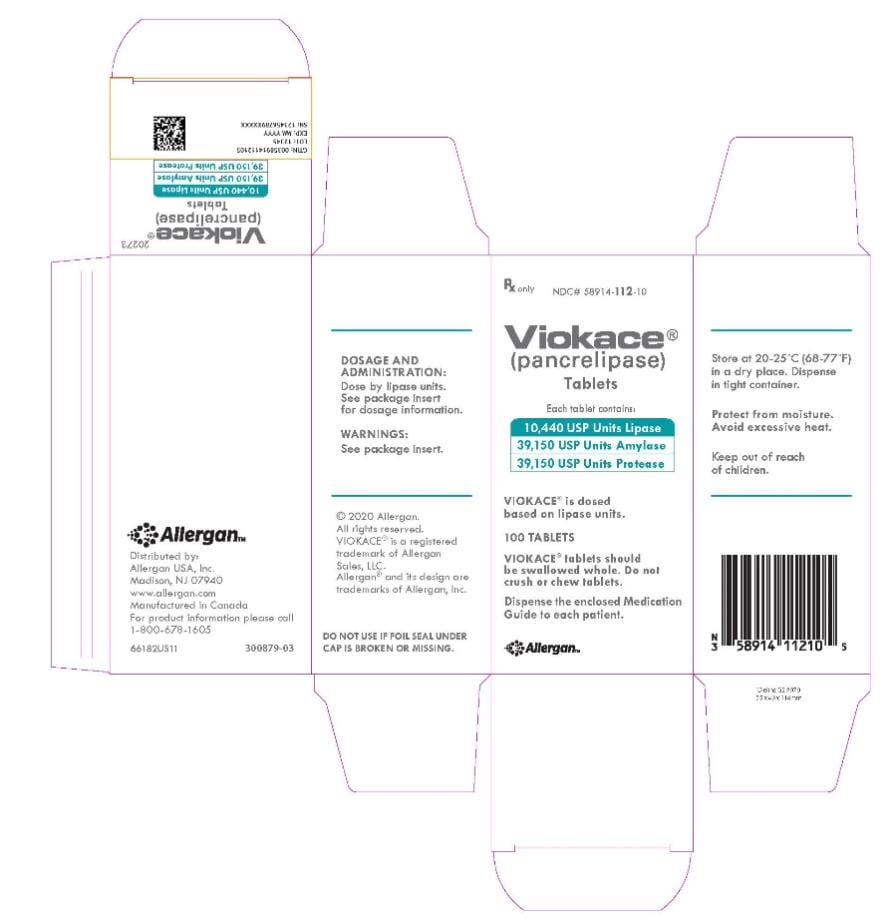
- Medication language: pancrelipase versus common brands like CREON, Zenpep, or Viokace
- Nutrition terms: fat malabsorption and fat soluble vitamin deficiency
- Care team: when a gastroenterologist evaluation is often part of planning
Bring practical details to a visit
- Meal patterns and which foods worsen symptoms
- Any unexplained weight loss pancreas concerns over time
- Current medication list, including supplements and antacids
- Past GI history, surgery history, or cancer treatment history
- Any prior diagnosis language used in records
Quick tip: Keep a short symptom timeline for easier record sharing.
Safety and Use Notes
Pancreatic enzyme replacement therapy is prescription therapy and needs clinician guidance. Labels and formulations vary, and not every product fits every situation. A clinician can help review risks, contraindications, and how to use enzymes with meals.
Medispress note: Appointments run in a secure, HIPAA-compliant mobile app.
Enzymes are usually discussed around meal timing because they work on food. Still, instructions can differ by product and by clinical context. Follow the prescriber and pharmacy directions rather than internet templates.
- Allergies and sensitivities matter, including animal-derived ingredient concerns
- Medication interactions may apply, especially with acid-reducing therapies
- Swallowing considerations may affect capsule choices and administration plans
- Children and adults may have different evaluation and follow-up needs
- Persistent diarrhea, dehydration signs, or severe abdominal pain needs prompt care
Why it matters: Similar symptoms can come from several different digestive conditions.
Access and Prescription Requirements
Prescription pancreatic enzymes require a valid prescription and appropriate clinical evaluation. This category page supports browsing and education, but it does not replace medical care. When a prescription is clinically appropriate, fulfillment must follow pharmacy and state rules.
On Medispress, telehealth can support evaluation and documentation through a clinician visit. Some patients use cash-pay options, often without insurance, when coverage is limited. Medication eligibility and availability depend on clinical factors and location rules.
Medispress note: When appropriate, clinicians can route prescriptions to partner pharmacies within state rules.
Prescription verification is part of safe dispensing workflows. That process helps confirm the medication, the prescriber, and the patient details. If prior records exist, having them available can shorten back-and-forth communication.
- Rx requirement: prescription-only enzymes need clinician authorization
- Verification: pharmacies may confirm identity and prescription details
- Substitutions: brand changes depend on clinical approval and pharmacy rules
- Access: some people choose cash-pay, including without insurance, when needed
- Follow-up: ongoing symptoms may require reassessment and updated documentation
Related Resources
Some conditions share similar fatigue, weight, and digestion concerns. If browsing overlapping endocrine topics helps, see the Adrenal Insufficiency category page for related navigation.
For a neutral medical overview, read the NIDDK explanation of exocrine pancreatic insufficiency. For additional background, see the MedlinePlus summary of pancreatic insufficiency. These references can help align terms before discussing EPI treatment options with a clinician.
This content is for informational purposes only and is not a substitute for professional medical advice.

Find suitable medication for Exocrine Pancreatic Insufficiency
Book a telehealth visit to discuss Exocrine Pancreatic Insufficiency
Find a doctor
Speciality
State

Video Visit
$69

Video Visit
$69

Video Visit
$69

Video Visit
$69

Video Visit
$69

Video Visit
$69

Speciality: Dermatology, Family Medicine, Men's Health, Urgent Care, Women's health
Speaks: English, Spanish, French, Arabic, Portuguese
Video Visit
$69

Video Visit
$69

Video Visit
$69

Video Visit
$69

Video Visit
$69

Video Visit
$69
Frequently Asked Questions
What is exocrine pancreatic insufficiency (EPI)?
Exocrine pancreatic insufficiency, often shortened to EPI, is a condition where the pancreas does not release enough digestive enzymes. Those enzymes help break down fats, proteins, and carbohydrates in food. When enzyme levels are too low, digestion can be incomplete and nutrients may not absorb well. Clinicians may discuss it alongside causes like chronic pancreatitis, cystic fibrosis, pancreatic surgery, or pancreatic cancer. Evaluation focuses on symptoms, history, and appropriate testing.
What symptoms are commonly linked with EPI?
People with EPI may report oily or greasy stools, frequent stools, bloating, gas, or diarrhea after meals. Some notice unintended weight loss, fatigue, or signs of poor nutrition. Symptoms can overlap with other digestive problems, including celiac disease or small intestinal bacterial overgrowth. That overlap is why a clinician review is important. Tracking when symptoms happen and what foods trigger them can make visits more efficient and reduce guesswork.
What is pancreatic enzyme replacement therapy?
Pancreatic enzyme replacement therapy is prescription treatment that provides digestive enzymes to support food breakdown. Many products use pancrelipase, which contains enzymes that act on fats, proteins, and carbohydrates. Clinicians may discuss different formulations and brands depending on a person’s situation. Instructions often relate to meal timing, but details vary by product and individual needs. Use the pharmacy label and clinician directions as the primary source, not general online advice.
Do pancreatic enzymes like pancrelipase require a prescription?
In the U.S., commonly used pancreatic enzyme products are prescription medications. That means a licensed clinician must evaluate the situation and write an order when appropriate. Pharmacies also verify prescriptions before dispensing. On Medispress, patients can browse educational resources and schedule a telehealth visit when needed. If a prescription is appropriate, clinicians may coordinate options through partner pharmacies, based on state regulations and availability.
When is digestive discomfort more urgent to check?
Some symptoms need more urgent medical review than routine digestive changes. Severe or worsening abdominal pain, persistent vomiting, black or bloody stools, fainting, confusion, or signs of dehydration can be urgent. Rapid, unexplained weight loss or fevers with abdominal symptoms also deserve prompt assessment. EPI symptoms can look like other conditions, including infections or inflammatory disease. When in doubt, seek timely evaluation through urgent care or emergency services.