


Exercise-Induced Bronchospasm
Care Options for Exercise-Induced Bronchospasm
Browse this collection for practical information and care pathways around Exercise-Induced Bronchospasm. Many people call it exercise induced asthma or EIB instead. Symptoms can appear during running, team sports, or cold-weather workouts. This category page supports comparison across related conditions and common care options. It also explains common terms used in evaluation and planning.
Patients and caregivers often need clear language for sports participation forms. EIB symptoms can include cough, chest tightness, and running induced wheeze. Exercise asthma triggers often include cold air, dry air, and high pollen days. Swimming pool chlorine EIB concerns can also affect frequent swimmers.
Why it matters: Breathing trouble during activity can disrupt school sports and training plans.
Visits on Medispress happen by video with licensed U.S. clinicians.
Exercise-Induced Bronchospasm What You’ll Find
This browse page focuses on the practical details people compare most. It covers symptom patterns, common trigger settings, and typical terminology. It also connects to related condition collections like Exercise Induced Asthma and Exercise Induced Bronchoconstriction. For broader context, explore Bronchospasm and how it gets described.
Many people arrive with questions about evaluation terms. A clinician may mention pulmonary function testing (breathing tests) or spirometry for EIB. Some patients also hear about an exercise challenge test or bronchoprovocation test. These tests typically happen in a clinic or lab setting. The wording can feel technical, so short definitions help.
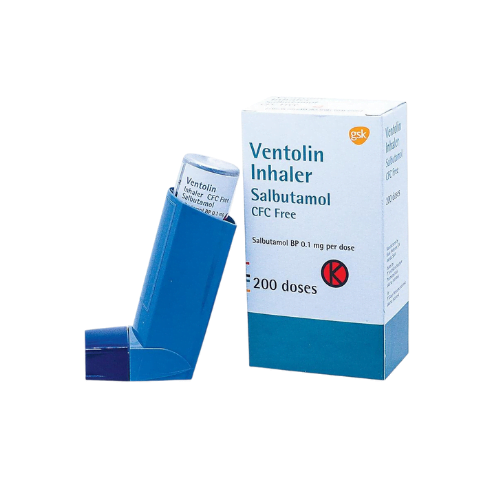
The page also helps organize the treatment vocabulary. Plans may include a pre-exercise inhaler or other controller medicines. Examples can include albuterol before exercise, if a clinician recommends it. Some clinicians also discuss leukotriene modifiers EIB options, including montelukast for EIB. Non-medication approaches, like warm up to prevent EIB, may appear in prevention discussions.
- Common symptom and trigger terms used in sports settings
- Plain-language definitions for EIB diagnosis and related testing words
- Medication categories that clinicians may consider, when appropriate
- Everyday prevention ideas that reduce exposure to typical triggers
- Navigation to closely related condition collections for comparison
How to Choose
Different people need different levels of detail and support. Notes about Exercise-Induced Bronchospasm often vary by sport and setting. Endurance sports breathing problems can look different than short sprints. Cold air exercise asthma patterns can differ from indoor gym symptoms. Keeping the browsing goal clear helps narrow what matters most.
Match the context
- Activity type and intensity, including EIB in athletes and recreational exercisers
- Age and setting, including EIB in children and school sports schedules
- Timing of symptoms, such as during activity versus after stopping
- Environment patterns, including dry air, smoke, and high-allergen days
- Specific exposures, such as swimming pool chlorine EIB concerns
- History of asthma or allergies, when those diagnoses already exist
- Current inhaler or medicine list, including occasional or seasonal use
Quick tip: Keep a short log of workouts and symptom timing.
Questions to bring
- Could symptoms fit EIB vs asthma, or both at once?
- Do symptoms suggest vocal cord dysfunction vs EIB during exertion?
- Which EIB treatment categories match the overall health picture?
- What belongs in an asthma action plan for exercise or sports clearance?
- How should return to play with EIB be documented for coaches?
Choosing resources also means checking what is missing. Severe chest pain, fainting, or blue lips need urgent evaluation. Those red flags can point away from simple exercise limits. A clinician can help place symptoms in the right safety context.
Safety and Use Notes
Safety information matters, even on a browsing-focused page. Exercise-Induced Bronchospasm can overlap with asthma, allergies, and other breathing conditions. Some symptoms also mimic upper airway problems and anxiety-related breathing. Clear labeling helps, but clinical judgment still drives decisions.
The Medispress app uses HIPAA-aligned safeguards for private health information.
Medication discussions often come with important warnings and interactions. Rescue inhalers and controller therapies usually require prescriptions and monitoring. Some people ask about leukotriene medicines like montelukast. For safety context, see the FDA boxed warning summary for montelukast. For guideline context in brief, review the American Thoracic Society EIB guideline.
- Confirm which symptoms warrant urgent care versus routine follow-up
- Share all medicines and supplements to reduce interaction risks
- Review inhaler side effects, including tremor or faster heartbeat
- Ask how to track control over time, not only during workouts
- Clarify whether allergy management changes exercise symptom patterns
- Discuss school sports and EIB paperwork needs before the season
Non-medication steps can also support safety. Examples include adjusting training plans and avoiding known irritants. A warm-up routine may reduce symptoms for some people. However, prevention tips still need clinician context when symptoms escalate.
Access and Prescription Requirements
Access questions often feel as important as symptom questions. Exercise-Induced Bronchospasm care may involve prescriptions, school forms, or sports clearance notes. Some patients prefer cash-pay care, often without insurance, for simpler administration. Requirements still depend on the medicine and state regulations.
When appropriate, clinicians can send prescriptions to partner pharmacies under state-specific rules.
- Prescription-only medications require a clinician’s authorization and verification
- Pharmacies may request identity checks or updated allergy information
- Refill timing and quantity rules can vary by medication and state
- Minors may need a parent or guardian involved for visit logistics
- Sports teams may ask for documentation for inhaler carry permissions
- Medication substitutions can depend on pharmacy stock and regulations
This collection aims to make those steps easier to understand. It does not replace clinical screening or personalized recommendations. A licensed clinician decides what is appropriate for each situation. Pharmacy partners also follow dispensing rules that can limit some options.
Related Resources
For planning and organization, the guide on Prepare For Telehealth Appointment can help structure visit notes. For training context, see Exercise And Cardiovascular Health and how effort affects breathing. Exercise-Induced Bronchospasm also benefits from routine tracking and recovery habits.
- Healthy Living And Longevity for daily routines that support overall wellness
- Mens Health Guide for fitness planning and general health check-in ideas
This content is for informational purposes only and is not a substitute for professional medical advice.

Find suitable medication for Exercise-Induced Bronchospasm
Book a telehealth visit to discuss Exercise-Induced Bronchospasm
Find a doctor
Speciality
State

Video Visit
$69

Video Visit
$69

Video Visit
$69

Video Visit
$69

Video Visit
$69

Video Visit
$69

Speciality: Dermatology, Family Medicine, Men's Health, Urgent Care, Women's health
Speaks: English, Spanish, French, Arabic, Portuguese
Video Visit
$69

Video Visit
$69

Video Visit
$69

Video Visit
$69

Video Visit
$69

Video Visit
$69
Frequently Asked Questions
Is Exercise-Induced Bronchospasm the same as exercise induced asthma?
The terms overlap, but they are not always identical. Exercise-Induced Bronchospasm describes airway narrowing triggered by exercise. Some patients also have chronic asthma outside of activity. Others only notice symptoms during exertion. Clinicians may use the term exercise-induced bronchoconstriction (EIB) for the same pattern. A medical history and, when needed, breathing tests can clarify whether ongoing asthma management is also relevant.
What are common EIB symptoms during sports or workouts?
Common EIB symptoms include cough, chest tightness, shortness of breath, and wheezing. Some people describe a “can’t get air in” feeling during intense effort. Symptoms may start during exercise or shortly after stopping. Cold, dry air can make symptoms more noticeable. Chlorine exposure in indoor pools can bother some swimmers. Severe chest pain, fainting, or blue lips require urgent evaluation, since other conditions can mimic EIB.
How is EIB diagnosis usually confirmed?
Clinicians often start with a symptom and activity history. They may also review known triggers, allergy history, and current medications. If confirmation is needed, pulmonary function testing (breathing tests) may be used. Spirometry can measure airflow before and after exertion or medicine. Some patients undergo an exercise challenge test or a bronchoprovocation test in a monitored setting. Test choice depends on access, symptoms, and safety considerations.
What treatments might a clinician consider for EIB?
Treatment discussions depend on symptom pattern and whether asthma exists outside exercise. Some plans may include a short-acting bronchodilator inhaler used around activity. Others may focus on controller therapy when broader asthma control is needed. Clinicians may also discuss leukotriene modifiers, such as montelukast, in selected cases. Non-medication strategies can include warm-ups and limiting exposure to cold air or irritants. Medication choices should follow labeling and clinician guidance.
How do prescriptions work through Medispress for breathing medications?
Medispress connects patients to licensed U.S. clinicians through video visits in a secure app. The clinician reviews the history and decides what is clinically appropriate. If a prescription is appropriate, the clinician may route it to a partner pharmacy, based on state rules. Pharmacies still perform required verification steps before dispensing. Cash-pay options are available for many patients, and care may be accessed without insurance, depending on the situation.