


Exercise-Induced Bronchoconstriction
Care Options for Exercise-Induced Bronchoconstriction
Exercise-Induced Bronchoconstriction can cause coughing, wheeze, or chest tightness during activity. Symptoms often show up with running, cold air, or pool workouts. This category page supports practical browsing for patients and caregivers.
Licensed U.S. clinicians can evaluate symptoms in a video visit. The sections below highlight common terms, care pathways, and access basics. For visit prep details, see Prepare For Telehealth Appointment.
Exercise-Induced Bronchoconstriction What You’ll Find
This browse page brings together common options discussed for exertional breathing symptoms. It is built for comparison, not self-treatment. People can scan differences in medication classes and care plans that clinicians may use.
It also helps sort overlapping labels that get used interchangeably. Some people see “exercise induced bronchospasm” in older notes or sports paperwork. Others may see similar symptoms listed under Exercise-Induced Asthma or Exercise-Induced Bronchospasm.
- Plain-language symptom patterns, including running induced wheeze and cough after exertion
- Common triggers, such as cold air and chlorine pool exposure
- High-level medication categories that may be used for airway narrowing
- Questions to bring to a clinician, including sports and school needs
- Navigation help for prescriptions, refills, and pharmacy coordination
Quick tip: Keep a short log of timing, triggers, and recovery time.
How to Choose
Sorting options starts with a clear symptom story and a clear goal. For Exercise-Induced Bronchoconstriction, symptom timing around exertion often matters as much as intensity. Some patterns point toward asthma, while others suggest vocal cord causes like EILO (exercise-induced laryngeal obstruction).
Match the symptom pattern
- When symptoms start, and whether they peak after stopping activity
- Whether symptoms include cough, wheeze, chest tightness, or noisy breathing
- Triggers that repeat, such as cold air trigger EIB or chlorine pool irritation
- Symptoms at rest, nighttime symptoms, or frequent flare patterns
- Any known allergies, reflux symptoms, or recent respiratory infections
Plan for real-world use
- Workouts that matter most, including endurance sports and interval training
- School or team needs, such as forms and an asthma action plan for exercise
- Preferences around device style, portability, and routine complexity
- Whether symptoms affect athletes differently during competition stress
- Medication list review to avoid duplications or interactions
Safety and Use Notes
Breathing symptoms with exercise can have more than one cause. A clinician may consider asthma, Exercise-Induced Bronchoconstriction, and throat-related conditions that mimic wheeze. Care plans may differ based on age, other conditions, and symptom severity.
Visits run through a secure, HIPAA-compliant app. That helps keep health details private during scheduling and follow-up. For risk reduction context, tobacco and vaping exposure can worsen airway irritation, so see Quit Smoking Safely.
- Prescription inhalers can cause side effects, including jitteriness or throat irritation
- Inhaler technique and device fit matter, especially for children and older adults
- Some plans may use a short-acting bronchodilator, such as albuterol, before activity
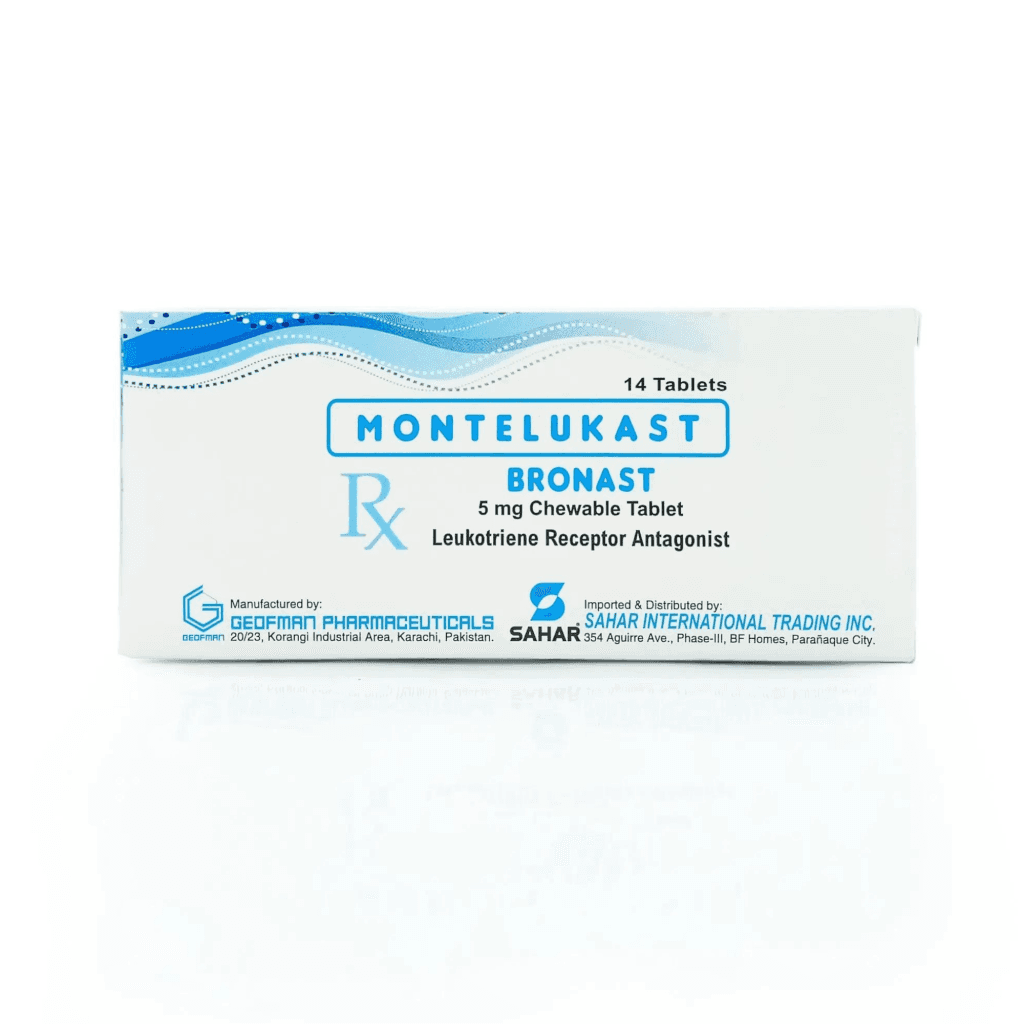
- Controllers like inhaled corticosteroids or leukotriene antagonists may be discussed for frequent symptoms
- Competitive athletes may need to check sport-specific medication rules and documentation
For a plain-language overview of exertion-triggered airway narrowing, see this AAAAI resource on exercise-related bronchoconstriction.
Access and Prescription Requirements
Prescription treatment for Exercise-Induced Bronchoconstriction requires an appropriate clinical evaluation. Availability can depend on state rules and the medication requested. This page focuses on navigation and next-step questions for a care visit.
If appropriate, clinicians can coordinate prescriptions through partner pharmacies under state rules. Some people use cash-pay options, often without insurance, when coverage is limited. Dispensing occurs through licensed pharmacies, with standard prescription processing requirements.
- Prescription items require a valid prescription and pharmacist review
- Medication lists and allergy histories help reduce avoidable safety issues
- Some requests may need added documentation for sports, school, or travel
- Refill timing and follow-up needs vary by medication class and local rules
- Shipping and pickup options depend on pharmacy practices and regulations
Related Resources
Exercise-Induced Bronchoconstriction often sits alongside broader fitness and respiratory planning. These guides can help with supportive routines that affect symptoms and recovery. For activity pacing and heart-safe movement ideas, see Exercise And Cardiovascular Health and Best Exercises For Heart Health.
Sleep and daily structure can also shape energy for training and symptom awareness. Helpful reading includes Treat Insomnia Tips, Healthy Morning Routines, and Healthy Living Longevity.
- Compare similar condition collections when labels overlap in records
- Use visit-prep checklists to keep symptom details consistent
- Review lifestyle factors that can amplify breathlessness during exertion
This content is for informational purposes only and is not a substitute for professional medical advice.

Find suitable medication for Exercise-Induced Bronchoconstriction
Book a telehealth visit to discuss Exercise-Induced Bronchoconstriction
Find a doctor
Speciality
State

Video Visit
$69

Video Visit
$69

Video Visit
$69

Video Visit
$69

Video Visit
$69

Video Visit
$69

Speciality: Dermatology, Family Medicine, Men's Health, Urgent Care, Women's health
Speaks: English, Spanish, French, Arabic, Portuguese
Video Visit
$69

Video Visit
$69

Video Visit
$69

Video Visit
$69

Video Visit
$69

Video Visit
$69
Frequently Asked Questions
What symptoms are commonly linked with exercise-related airway tightening?
Common reports include cough after exercise, chest tightness, and shortness of breath during exercise. Some people notice wheeze during running or cold-weather workouts. Symptoms may peak shortly after stopping activity, then gradually improve. Triggers can include dry air, high pollen days, or chlorine exposure in pools. Similar symptoms can also come from throat conditions, anxiety, or infections. A clinician can help sort likely causes and next steps.
How does exercise induced asthma vs EIB differ?
Exercise induced asthma vs EIB often refers to the same symptom pattern, but wording varies. EIB describes airway narrowing triggered by exertion, even without persistent asthma symptoms. Asthma usually includes ongoing airway inflammation and may cause symptoms at rest or at night. Some people have both asthma and exertion-triggered symptoms. A clinician can document the most accurate diagnosis term for school, sports, or prescription records.
What details are helpful to share during an evaluation?
Clear, practical details help a clinician understand symptom patterns. Useful items include the activity type, the time symptoms start, and how long they last. Note common triggers, such as cold air, smoke exposure, or pool environments. A current medication list and allergy history can prevent duplication or interaction risks. It also helps to mention past asthma history, recent respiratory illness, and any urgent symptoms like fainting or chest pain.
Can prescriptions for inhalers be handled through telehealth?
In many situations, a licensed clinician can assess symptoms through telehealth. The clinician decides whether a prescription is clinically appropriate and allowed by state rules. When prescriptions are used, they are sent to a pharmacy for standard dispensing and pharmacist review. Some people prefer cash-pay options, including without insurance, depending on coverage. Identity checks and medical history questions are common parts of remote prescribing workflows.
When is exercise-related breathing trouble an emergency?
Emergency care may be needed for severe breathing difficulty, blue or gray lips, confusion, or inability to speak full sentences. Fainting, severe chest pain, or rapid worsening symptoms also require urgent evaluation. Sudden throat tightness with high-pitched noise can also be serious. When symptoms feel different from prior episodes, it is safer to get prompt medical attention. Local emergency services and urgent care can provide immediate assessment and treatment.