


Excessive Drooling
Care Options for Excessive Drooling
Excessive Drooling can feel messy, awkward, and hard to manage daily. This category page brings together practical information and condition-aligned options to browse. It covers common patterns like drooling during sleep, nighttime drooling, and sudden changes in saliva control. It also explains how clinicians think about hypersalivation and sialorrhea (too much saliva). Content is written for patients and caregivers who want clear next-step language. The goal is to support better conversations with dental, ENT, neurology, and pediatric teams.
Drooling can happen at any age, for different reasons. It can relate to muscle control, swallowing, nasal blockage, or mouth breathing. It can also follow dental work, infections, or medication changes. In some cases, it connects with conditions like GERD and drooling, allergies and drooling, or Parkinson’s disease and drooling. Each situation needs a cause-first approach, not a one-size fix.
Excessive Drooling What You’ll Find
This collection focuses on how drooling shows up across ages and settings. It summarizes excessive drooling symptoms that matter for tracking and triage. It also explains what causes drooling in plain language, with clinical framing. Expect definitions, common triggers, and what clinicians often ask during a drooling diagnosis.
Many people notice patterns first at night. Drooling during sleep can point to mouth breathing, nasal congestion, jaw position, or reflux. Others see daytime pooling, choking sensations, or wet speech. Some families worry about excessive drooling in infants and toddlers. That can be normal early, but persistent patterns deserve review.
Why it matters: Saliva control issues can signal swallowing difficulties, especially with coughing or choking.
Visits happen by video with licensed U.S. clinicians in a HIPAA-secure app.
- Plain-language explanations for drooling patterns and terminology
- Common contributors, including neurological causes of drooling and dental factors
- Administrative guidance on evaluation routes, referrals, and documentation
- High-level overviews of drooling treatment approaches, without dosing guidance
- Notes for pediatric drooling evaluation and adult symptom review
How to Choose
Different services focus on different parts of the problem. A dental visit may address bite, oral pain, or recent procedures. An ENT evaluation for drooling may focus on nasal blockage and airway flow. Speech therapy for drooling often targets oral-motor skills and swallowing coordination. A neurology consult may help when symptoms link to muscle control issues.
Excessive Drooling concerns also change by age and timing. Excessive drooling in children can look different than adult drooling. Excessive drooling in toddlers may relate to teething, sensory needs, or mouth posture. Excessive drooling in adults more often raises questions about medications and nerve control.
Match the setting to the pattern
- Time of day: daytime pooling versus nighttime drooling
- Breathing style: mouth breathing and drooling versus nasal breathing
- Swallowing: coughing, choking, or food sticking sensations
- Speech changes: wet voice, unclear words, or fatigue while talking
- New triggers: drooling due to medications or recent dental work
- Associated symptoms: heartburn, congestion, snoring, or facial weakness
Bring details that speed up the review
- Start date and whether symptoms are getting worse
- Examples of sudden excessive drooling versus gradual changes
- Current medication list, including dose timing and recent adjustments
- Dental history, braces, mouth sores, or drooling after dental work
- Sleep notes, including drooling during sleep and snoring
- Photos of skin irritation, if caregivers track changes over time
Quick tip: Keep a short symptom log to support a focused visit.
Safety and Use Notes
Drooling often looks harmless, but context matters. Pooling can irritate skin, worsen dehydration risk, and affect communication. It can also overlap with swallowing problems, called dysphagia (trouble swallowing). When saliva control changes quickly, clinicians may look for nerve or muscle issues. They may also screen for infections, dental pain, and medication side effects.
Excessive Drooling can sometimes appear with broader neurological symptoms. That includes tremor, stiffness, slowed movement, or voice changes. Parkinson’s disease and drooling is one well-known example, but many conditions can affect control. Clinicians make the final call on diagnosis and treatment choices.
- Drooling with trouble breathing can require urgent evaluation
- Drooling with one-sided weakness or confusion needs rapid assessment
- Persistent choking, weight loss, or dehydration needs medical attention
- Fever, severe sore throat, or neck swelling can signal infection
- In children, persistent drooling with feeding difficulty needs review
Many people look for how to stop drooling and drooling home remedies. These topics vary by cause and age. A clinician may recommend dental, ENT, or speech evaluation instead. In some cases, the safest plan involves treating congestion, reflux, or medication effects first.
Access and Prescription Requirements
Some drooling treatment options involve prescription-only medicines or clinician-administered care. Other options focus on therapy, dental adjustments, or supportive care. This browse page helps compare what each approach typically requires. It also explains what documentation can help, especially when symptoms affect school or work.
Excessive Drooling reviews often start with a history and visual check. Clinicians may ask about swallowing, choking, snoring, and reflux symptoms. They may also screen for allergies, mouth sores, and dry mouth episodes. When appropriate, prescriptions can be coordinated with partner pharmacies, based on state rules.
- Prescription status: whether an Rx is required for a listed option
- Verification steps: pharmacies may confirm identity and prescription validity
- Care setting: telehealth screening versus in-person exams when needed
- Referrals: dental, ENT, neurology, or speech therapy involvement
- Payment route: cash-pay options may be available, often without insurance
Some situations still need an in-person exam. That can include dental infections, suspected airway problems, or complex swallowing issues. Telehealth can still help organize next steps and reduce delays. It can also support follow-up questions after in-person testing.
Related Resources
Drooling often overlaps with sleep quality and daytime fatigue. When nighttime drooling appears with snoring or fragmented sleep, broader sleep topics can help. These guides explain common symptom clusters and how clinicians frame sleep complaints. They can also help caregivers track patterns that show up at home.
Cash-pay access may help some families plan care without insurance. Availability and prescribing rules can vary by state and medication type.
This content is for informational purposes only and is not a substitute for professional medical advice.

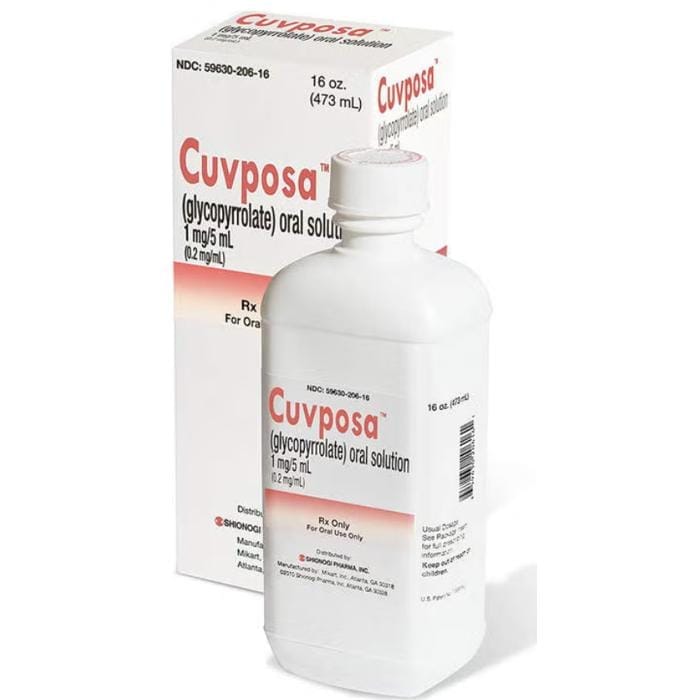
Find suitable medication for Excessive Drooling
Book a telehealth visit to discuss Excessive Drooling
Find a doctor
Speciality
State

Video Visit
$69

Video Visit
$69

Video Visit
$69

Video Visit
$69

Video Visit
$69

Video Visit
$69

Speciality: Dermatology, Family Medicine, Men's Health, Urgent Care, Women's health
Speaks: English, Spanish, French, Arabic, Portuguese
Video Visit
$69

Video Visit
$69

Video Visit
$69

Video Visit
$69

Video Visit
$69

Video Visit
$69
Frequently Asked Questions
What counts as excessive drooling?
Drooling becomes “excessive” when saliva control disrupts daily comfort, hygiene, speech, or sleep. Clinicians may call it sialorrhea, which means saliva spills from the mouth. In infants, some drooling can be normal with early development and teething. In older children and adults, persistent drooling often signals a coordination, swallowing, breathing, or dental issue. A visit usually focuses on patterns, triggers, and any new symptoms.
What are common excessive drooling causes?
Common contributors include mouth breathing from congestion, enlarged tonsils, or allergies. Dental pain, ill-fitting appliances, and mouth sores can also increase saliva pooling. Some medicines can affect saliva production or swallowing coordination. Reflux can irritate the throat and worsen nighttime symptoms in some people. Neurologic conditions may affect facial muscles and swallow timing. A clinician typically looks for the simplest explanation first, then broadens the workup.
How can I use this category page to compare options?
Use the page to scan for evaluation routes and common requirements. Look for whether an option usually needs a prescription, an in-person exam, or a referral. Compare the kind of clinician involved, such as dental, ENT, neurology, or speech therapy. Note which options focus on saliva production versus swallowing mechanics. If telehealth is offered, check whether it supports follow-up documentation or care coordination with local services.
When should drooling be checked urgently?
Drooling with trouble breathing, bluish lips, or severe throat swelling needs urgent evaluation. Sudden drooling with facial droop, weakness, confusion, or severe headache can signal a neurologic emergency. Persistent choking, coughing with meals, dehydration, or rapid weight loss also needs prompt care. In children, drooling with fever, stiff neck, or refusal to swallow can indicate infection. When in doubt, urgent care or emergency services can help assess safety.
Can telehealth help with drooling during sleep?
Telehealth can help with history-taking, pattern review, and next-step planning. A clinician can discuss nighttime drooling alongside snoring, reflux symptoms, allergies, and medication timing. They can also help decide when an in-person dental or ENT exam makes sense. If prescription options are clinically appropriate, a provider may coordinate them through partner pharmacies, based on state rules. Some causes still require hands-on exams or testing.