


Erosive Esophagitis
Care Options for Erosive Esophagitis
This category page brings together practical information and care pathways for Erosive Esophagitis. It is built for patients and caregivers who want clear terms and next-step context. Browse to understand common symptom patterns, testing language, and medication classes often discussed in care. You can also compare related conditions that may look similar. The goal is clearer conversations and easier navigation across options.
Because esophageal irritation can have more than one cause, labels matter. Some people have reflux-driven injury. Others have inflammation from allergies, pills, or infection. This page focuses on organizing resources and access basics. It does not replace a clinical evaluation or a test result.
Erosive Esophagitis What You’ll Find
This collection helps you sort information by the kind of question that comes up most. Some visitors start with symptoms, like burning pain or nighttime reflux symptoms. Others start with test terms, like endoscopy for esophagitis or ambulatory pH monitoring. Many start with medication classes, such as H2 blockers vs PPI, and want the basics first.
You will also see language used in GI reports and clinician notes. That includes Los Angeles classification esophagitis, esophagitis grading, and reflux esophagitis stages. Those labels describe what clinicians see during an exam. They can also shape how follow-up is planned.
Appointments are video-based with licensed U.S. clinicians.
- Plain-language explanations of reflux-related injury and inflammation
- Key terms for erosive reflux disease and related conditions
- Overview of erosive esophagitis causes, including reflux triggers and anatomy factors
- Administrative notes about prescription status and verification
- Links to related condition collections for broader browsing
How to Choose
Different resources help with different decisions. Some support understanding a diagnosis. Others help compare esophagitis medication options and what questions matter. Erosive Esophagitis can also overlap with other reflux problems. That is why it helps to start with the main goal.
Match the resource to the decision
- Clarify whether the question is symptoms, diagnosis, or ongoing management
- Note if the issue is new, recurrent, or refractory esophagitis
- Look for definitions of erosive esophagitis vs GERD and nonerosive vs erosive reflux
- Check for sections on GERD complications, including strictures or bleeding risk
- Prefer resources that explain esophagitis pathophysiology in simple terms
Gather details that change the interpretation
- Symptom timing, including after meals and during sleep
- Nighttime reflux symptoms, cough, hoarseness, or throat clearing
- Prior reflux medicines and how consistently they were used
- Any history of hiatal hernia and esophagitis discussions
- Recent new pills that can irritate the esophagus if stuck
- Age-specific context, including pediatric erosive esophagitis concerns
- Prior endoscopy wording, including any esophageal ulcer from reflux mention
Quick tip: Keep a short symptom and meal timeline for appointments.
Safety and Use Notes
Some symptoms need urgent, in-person assessment. Chest pain, trouble breathing, or fainting should be treated as emergencies. Vomiting blood, black stools, severe pain with swallowing, or rapid weight loss also needs prompt evaluation. These situations can reflect bleeding or a complication. They can also mimic heart or lung problems.
Clinicians often describe reflux esophagitis using endoscopic findings. Endoscopy can also help rule out other causes of inflammation. See the ASGE overview of upper endoscopy Understanding Upper Endoscopy. Results may include esophagitis healing time estimates, but timelines vary widely. Severity, adherence, and ongoing reflux all matter.
The app uses HIPAA-aligned safeguards for visit privacy.
Medication discussions usually involve acid-reducing classes, like proton pump inhibitors and H2 blockers. Labels and clinician judgment guide use, especially with other conditions. Some people also ask about erosive esophagitis diet guidance and esophagitis foods to avoid. Diet changes can affect symptoms, but needs differ person to person. A clinician can help interpret options with the full history.
Why it matters: Similar symptoms can come from different conditions, and tests help sort them.
If an evaluation raises questions beyond reflux injury, it may help to compare related inflammation types. Browsing the Eosinophilic Esophagitis collection can provide useful context for terms and workups.
Access and Prescription Requirements
Some options discussed for reflux injury are prescription-only. Others are non-prescription products that still have safety limits. When a prescription is required, pharmacies need a valid order from a licensed clinician. Many states also require identity and prescription verification steps before dispensing. These checks support safe, appropriate use.
Telehealth can help with history review, record review, and follow-up planning. Clinicians make all clinical decisions during a visit. When clinically appropriate, they may send prescriptions to partner pharmacies, depending on state rules. Access may also include cash-pay options, often without insurance, for eligible services.
If you have prior records, keep them easy to share. Endoscopy images, pathology summaries, and medication lists help most. It also helps to know the wording from any report. That includes Los Angeles classification esophagitis grades and any Barrett’s esophagus risk language. For background on Barrett’s, see this American College of Gastroenterology overview Barrett’s Esophagus.
Related Resources
If you want a broader starting point, the Esophagitis browse page can help frame shared terms. It can also help when notes mention reflux, infection, pills, or allergy-driven inflammation. Erosive Esophagitis is one piece of that larger picture. Comparing definitions can make reports and visit notes feel less confusing. Use this collection to keep terms straight while you browse care pathways.
This content is for informational purposes only and is not a substitute for professional medical advice.

Find suitable medication for Erosive Esophagitis
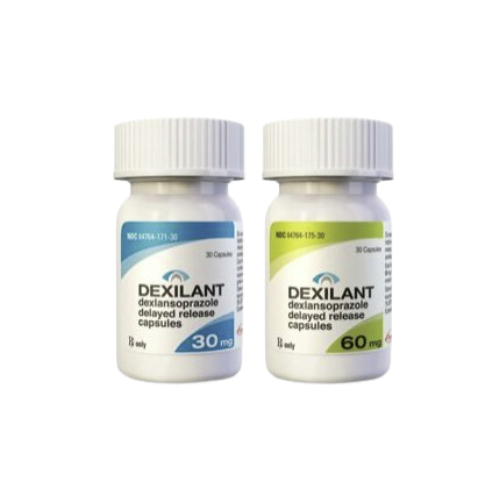
Book a telehealth visit to discuss Erosive Esophagitis
Find a doctor
Speciality
State

Video Visit
$69

Video Visit
$69

Video Visit
$69

Video Visit
$69

Video Visit
$69

Video Visit
$69

Speciality: Dermatology, Family Medicine, Men's Health, Urgent Care, Women's health
Speaks: English, Spanish, French, Arabic, Portuguese
Video Visit
$69

Video Visit
$69

Video Visit
$69

Video Visit
$69

Video Visit
$69

Video Visit
$69
Frequently Asked Questions
What is the difference between erosive esophagitis and GERD?
GERD describes reflux symptoms and reflux-related problems over time. Erosive esophagitis describes visible injury to the esophageal lining. Clinicians usually confirm that injury during an upper endoscopy. Some people have reflux symptoms without visible breaks. That is often called nonerosive reflux. Reports may also use the phrase erosive reflux disease. The terms overlap, but they are not identical.
What does the Los Angeles classification mean on an endoscopy report?
The Los Angeles (LA) classification grades reflux-related esophagitis by what the scope shows. Grades often run from A to D. Lower grades generally reflect smaller mucosal breaks. Higher grades can reflect more extensive breaks or involvement. This system helps standardize language across clinicians. It can also guide follow-up planning and documentation. A clinician can explain what a specific grade means in context.
What information helps a clinician evaluate possible reflux-related injury?
Details about timing and pattern often matter most. Notes about symptoms after meals versus nighttime help interpretation. A complete medication list helps identify pill-related irritation and interactions. Prior endoscopy wording, if available, can clarify severity and location. Red-flag symptoms also matter, like trouble swallowing or bleeding signs. Relevant history includes hiatal hernia, pregnancy, and pediatric context. Records make follow-up discussions more efficient.
Can telehealth help with questions about testing or next steps?
Telehealth can work well for history review and explaining test terms. A clinician can review prior reports and discuss what results usually mean. They can also help decide whether in-person evaluation is needed. Some situations still require urgent care or a local exam. Examples include severe chest pain, trouble breathing, or signs of bleeding. Telehealth works best when you can share records and a current medication list.
How do I use this category page to compare options?
Start by choosing the question you are trying to answer. Then browse sections that match that goal, like symptoms, diagnosis terms, or medication classes. Compare definitions such as erosive versus nonerosive reflux, and note any report language you recognize. Use the related condition links to broaden context when labels seem similar. This approach supports clearer scheduling and more organized questions for a clinical visit.