


Erectile Dysfunction
Care Options for Erectile Dysfunction
Browse this category page for Erectile Dysfunction care options and practical education.
This collection is for patients and caregivers who want clear, organized information.
ED can involve blood flow, nerves, hormones, or stress-related factors.
Some people notice situational issues, while others see persistent changes.
These pages help compare options and prepare questions for a clinician visit.
Why it matters: ED can sometimes reflect heart, metabolic, or mental health concerns.
Erectile Dysfunction What You’ll Find
This browse page groups resources by approach, not by a single “best” choice.
Many people compare prescription tablets, devices, and supportive educational guides.
Where available, pages summarize ingredients, formulation, and key label warnings.
You will also see plain-language terms for common ED symptoms and patterns.
Medication classes often include PDE5 inhibitors (blood-flow medicines) discussed with clinicians.
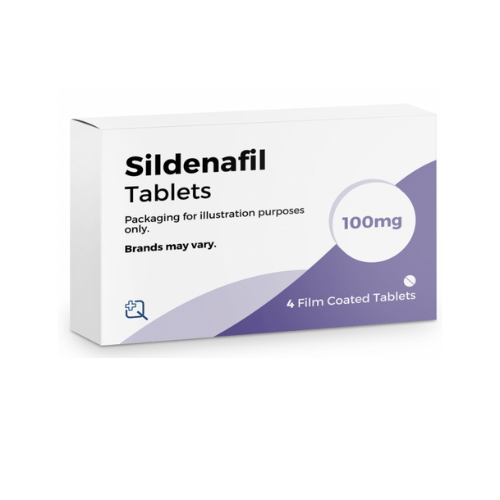
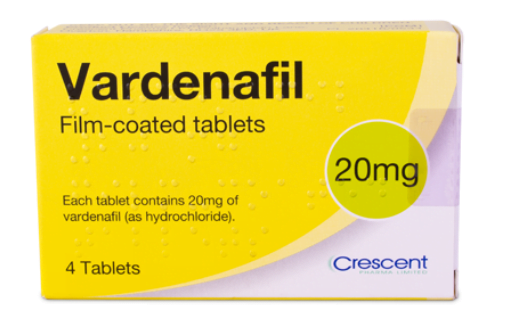
Examples include sildenafil, tadalafil, vardenafil, or avanafil, depending on clinical fit.
Non-pill options can include a vacuum erection device (a suction pump).
Some resources also describe penile injection therapy (medicine given by injection).
For long-term planning, some pages mention penile implant options at a high level.
Visits are by video with licensed U.S. clinicians in our HIPAA-compliant app.
Details vary by product type, clinician assessment, and pharmacy requirements.
- Medication class explainers and common brand-generic names
- High-level comparisons of routes, timing expectations, and common side effects
- Device and non-drug options, including basic handling and care considerations
- Definitions for common terms, including performance anxiety and ED
- Administrative notes on prescriptions, verification, and pharmacy coordination
How to Choose
Start by clarifying what is changing and when it happens.
This helps separate erection firmness issues from libido or orgasm concerns.
Erectile Dysfunction can look different across ages, health conditions, and life events.
Match resources to the likely drivers
ED can have physical contributors, psychological contributors, or a mix of both.
It can also be linked with ED and diabetes, high blood pressure, or sleep problems.
- Current medicines, including blood pressure drugs, antidepressants, and opioids
- Heart history, especially chest pain treatment or nitrate use
- Smoking, alcohol, cannabis, and other substances that can affect erections
- Stress load, mood symptoms, and performance anxiety patterns
- Recent surgery, including ED after prostate surgery or pelvic procedures
- Hormone concerns, including low testosterone (low T) symptoms
- Partner communication goals, including anxiety reduction and shared expectations
- Whether premature ejaculation versus erection difficulty is the main concern
Prepare for a clinical conversation
A clinician may ask about onset, duration, and whether morning erections occur.
They may also ask about pain, curvature, and urinary symptoms.
Gathering details ahead of time can make visits more efficient.
- A symptom timeline with triggers, context, and any recent health changes
- A current medication list, including supplements and nonprescription products
- Past diagnoses, including cardiovascular disease, depression, or thyroid conditions
- Prior ED treatments tried and what side effects occurred
- Questions about options, safety, and follow-up expectations
Quick tip: Save a medication list in the Medispress app beforehand.
Safety and Use Notes
For Erectile Dysfunction, safety screening matters as much as symptom goals.
Prescription ED medicines can interact with other drugs, including nitrates for chest pain.
Labels also list who should avoid certain products due to medical risks.
Clinicians make all clinical decisions after reviewing the visit information.
Some side effects can include headache, flushing, or lightheadedness in some people.
Seek urgent care for severe chest pain, fainting, or sudden vision changes.
Psychological causes of ED are common, including depression and relationship stress.
Some people benefit from counseling, stress management, or couples support.
Be cautious with supplements marketed as “natural” ED fixes or quick boosts.
For supplement warnings, review FDA Tainted Enhancement Products.
For plain-language background, see MedlinePlus ED Basics.
- Share full medication details, since interactions can be serious
- Discuss any heart symptoms, including exertional chest discomfort or shortness of breath
- Ask how alcohol use may affect side effects and safety
- Avoid mixing prescription products with unknown “sexual enhancement” supplements
- Know emergency signs, including an erection lasting over four hours
Access and Prescription Requirements
Access often starts with a health intake and a clinician review.
People seeking Erectile Dysfunction care may compare telehealth and in-person pathways.
On Medispress, you can schedule a video visit and share relevant history.
If medication is appropriate, dispensing is handled by licensed pharmacies.
Prescription-only items require a valid prescription, which pharmacies verify before dispensing.
When appropriate, prescriptions can be coordinated through partner pharmacies, following state rules.
Some people prefer cash-pay options, often without insurance, for simpler access.
Prescription rules still apply, and identity checks may be required.
Shipping or pickup details depend on the dispensing pharmacy and local regulations.
- Prescription status is shown on product pages where applicable
- Clinicians may recommend evaluation steps before any prescription decision
- Pharmacies confirm prescription validity before medication is dispensed
- State rules can affect which products are available and how they ship
- Keep follow-up notes, side effects, and questions organized for future visits
Related Resources
People browsing Erectile Dysfunction topics often also explore broader wellness basics.
That can include fitness, sleep, stress management, and mental well-being support.
For lifestyle foundations, read Mens Health Guide Improve Fitness.
For hormone context and midlife changes, see Hormonal Health Tips Menopause.
To see how telehealth care is explained for other concerns, visit Chronic Constipation Telehealth Care.
For another symptom-focused overview, browse Dry Eye Syndrome Relief Options.
These resources are not ED-specific, but they show how guidance is organized.
Use this category page to compare formats, safety notes, and access requirements.
This content is for informational purposes only and is not a substitute for professional medical advice.

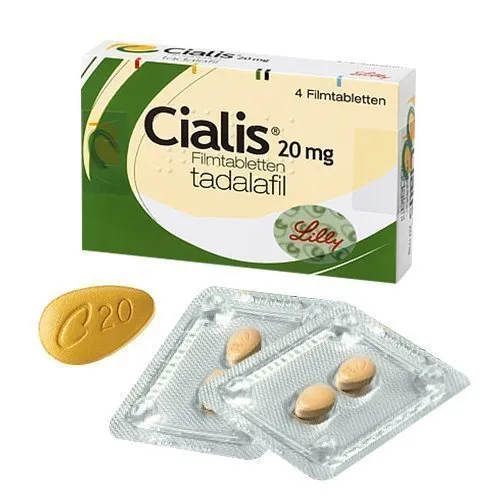
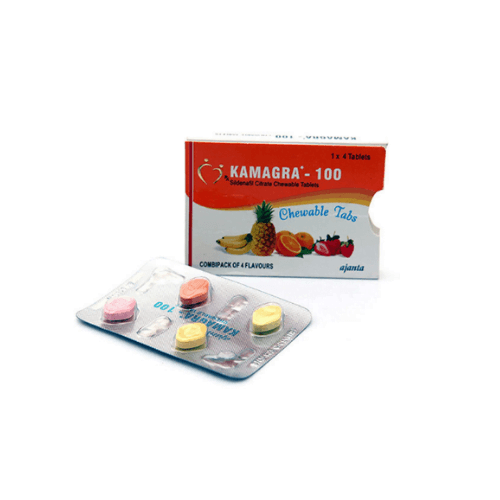
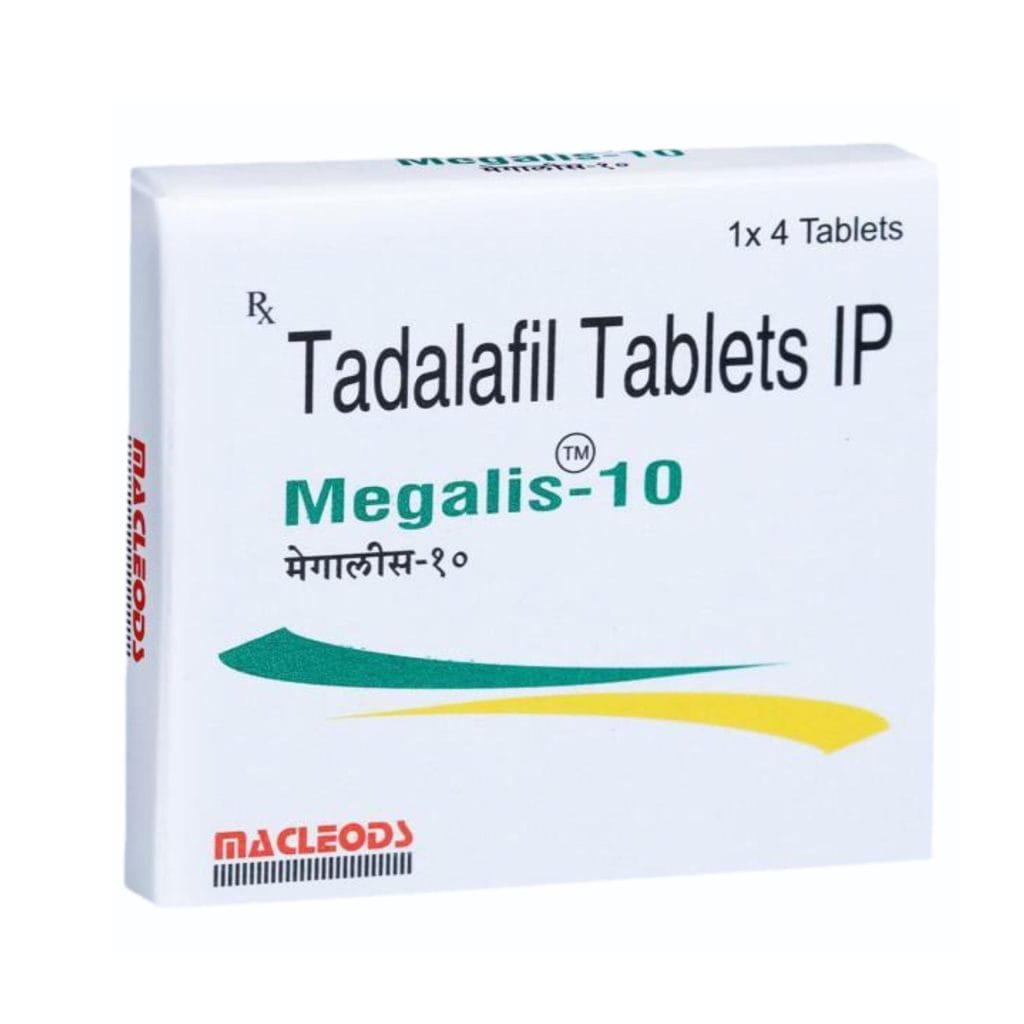
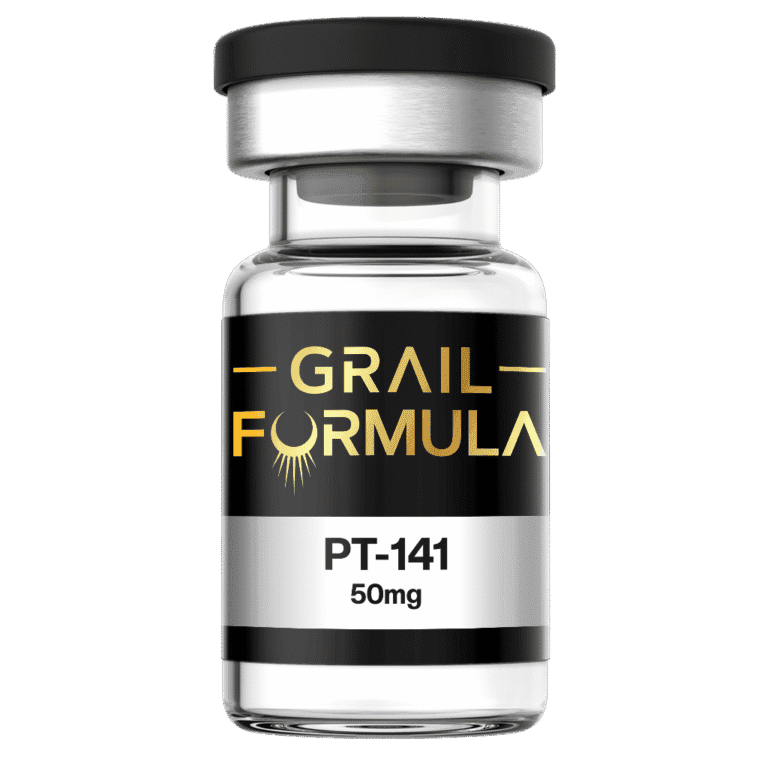
Find suitable medication for Erectile Dysfunction




Book a telehealth visit to discuss Erectile Dysfunction
Find a doctor
Speciality
State

Video Visit
$69

Video Visit
$69

Video Visit
$69

Video Visit
$69

Video Visit
$69

Video Visit
$69

Speciality: Dermatology, Family Medicine, Men's Health, Urgent Care, Women's health
Speaks: English, Spanish, French, Arabic, Portuguese
Video Visit
$69

Video Visit
$69

Video Visit
$69

Video Visit
$69

Video Visit
$69

Video Visit
$69
Frequently Asked Questions
What will I see on the Erectile Dysfunction category page?
This category page gathers ED-related medication and device resources in one place. It may include prescription options, non-drug devices, and supporting educational reading. Pages often highlight safety warnings, prescription status, and basic use considerations. It also helps patients and caregivers compare approaches before a clinician discussion. The content supports planning and navigation, not self-diagnosis or treatment decisions.
What information is helpful for an erectile dysfunction evaluation?
Clinicians usually start with a clear symptom story and health background. Helpful details include when symptoms began and whether they vary by situation. A current medication list matters, including supplements and nonprescription products. Past conditions like diabetes, heart disease, depression, or sleep apnea can be relevant. Prior pelvic surgery details can also help. This information supports safer screening and more focused follow-up questions.
What are common erectile dysfunction treatment options discussed with clinicians?
Options can include prescription medicines such as PDE5 inhibitors, when appropriate. Some people also consider devices like a vacuum erection device. Other approaches may include penile injections or surgical implants in selected cases. Counseling or sex therapy can be part of care, especially with anxiety. Lifestyle changes may support overall vascular health, sleep, and mood. A clinician helps match options to medical history, safety issues, and preferences.
Do ED medications require a prescription and verification?
Many ED medications are prescription-only in the United States. That means a licensed clinician must assess safety and appropriateness first. When a prescription is issued, pharmacies typically verify it before dispensing. This helps prevent unsafe interactions and inappropriate use. Be cautious with online supplements claiming prescription-like effects. Regulators have warned that some products contain hidden drug ingredients or inconsistent dosing.
How does a telehealth erectile dysfunction consultation work on Medispress?
Medispress offers video visits in a secure, HIPAA-aligned mobile app. A licensed U.S. clinician reviews the intake and asks follow-up questions. The clinician then makes the clinical decision about next steps. When clinically appropriate, prescription options may be coordinated through partner pharmacies, depending on state rules. Many patients use cash-pay access, often without insurance, but prescription requirements still apply. Follow-up planning depends on the individual situation.