


Edema
Care Options for Edema
Swelling can affect the legs, ankles, hands, or around the eyes. Edema is the medical term for fluid-related swelling. It may be temporary, or it may reflect a health issue. This category page supports practical browsing for patients and caregivers. It brings together condition collections and educational resources in one place.
Patterns matter, like one-sided leg swelling or both ankles swelling by evening. Some swelling is “dependent,” meaning it worsens after sitting or standing. Other cases involve facial puffiness, including periorbital swelling (eyelid puffiness). Clinicians consider medical history, current medications, and red-flag symptoms. Sudden shortness of breath or chest pain needs urgent medical evaluation.
Visits can be done by video with licensed U.S. clinicians.
Edema: What You’ll Find
This collection focuses on common swelling questions and next-step planning. It can help compare what details clinicians often need before recommending tests. It can also help organize what to track, like timing and body location.
Some swelling is linked to circulation, hormones, pregnancy, or chronic conditions. Other swelling is localized, like after injury or infection. Certain conditions also use the word “swelling” in a more specific way, including eye problems. For eye-related swelling collections, browse Macular Swelling and Diabetic Macular Swelling. For swelling tied to vein blockage in the eye, see Retinal Vein Occlusion Swelling. For a rare, severe thyroid-related condition, browse Myxedema Coma.
- Common swelling patterns, like ankle, foot, and hand swelling
- Key terms, including dependent swelling and periorbital swelling
- Common causes to ask about, like kidney or heart problems
- Ways clinicians describe swelling, such as “pitting” versus “nonpitting”
- Administrative notes about visits, prescriptions, and pharmacy verification
How to Choose
Swelling can have many causes, so clarity helps. For Edema, the most useful details are timing, location, and triggers. A good starting point is describing what changed, and what stayed stable.
Match the pattern to the right questions
- Location: leg swelling, ankle swelling, hand swelling, or facial puffiness
- Timing: new, worsening, or present for weeks to months
- Laterality: one-sided versus both sides
- Triggers: long travel, heat, standing, new exercise, or injury
Bring context that can change next steps
- Medication list, including supplements and recent dose changes
- Pregnancy status, recent delivery, or fertility treatments
- Heart, kidney, liver, or thyroid history in the medical record
- Symptoms like pain, redness, fever, or skin warmth
Quick tip: Bring dated photos that show swelling at its worst.
It also helps to write down practical goals for the visit. Examples include ruling out serious causes, understanding follow-up needs, and planning work or travel. Clinicians may ask about salt intake, hydration, or recent infections. Those questions help narrow the safest evaluation path.
Safety and Use Notes
Edema can be a sign, not a final diagnosis. It can relate to circulation problems, inflammation, hormones, or organ strain. It can also appear after surgery, injury, or long immobility. Because causes vary, treatment plans differ widely.
Why it matters: Sudden breathlessness with swelling may signal a medical emergency.
Appointments take place in our secure, HIPAA-compliant Medispress app each time.
Clinicians often describe swelling as pitting or nonpitting. Pitting means pressure leaves an indentation for several seconds. Nonpitting swelling may feel firmer and less compressible. Clinicians may also describe “grading” to document severity over time. Documentation helps compare changes between visits.
Some swelling may resemble infection or lymphatic blockage. Cellulitis (skin infection) often includes redness, warmth, and tenderness. Lymphedema (lymph fluid buildup) may feel heavy and can affect skin texture. Sorting these apart sometimes needs an in-person exam. It may also require labs, ultrasound, or imaging.
- Seek urgent care for trouble breathing, chest pain, or confusion
- Get prompt evaluation for one-sided leg swelling with pain
- Watch for fever, redness, warmth, or rapidly spreading skin changes
- Discuss pregnancy-related swelling, especially with headaches or vision changes
- Report new swelling after starting a medication, including hormones
- Ask about blood clots after long travel, surgery, or limited mobility
- Ask whether heart, kidney, or liver issues need targeted testing
For a neutral background overview, see MedlinePlus on swelling and fluid retention. For lung-related fluid buildup symptoms, see Mayo Clinic information on breathing-related fluid buildup. For condition-specific browsing on this site, see Pulmonary Swelling Overview.
Access and Prescription Requirements
Some causes of swelling can be evaluated remotely, while others cannot. Edema may require a physical exam, vital signs, or same-day testing. Many treatment approaches depend on identifying the underlying cause. That is why clinicians may recommend labs or imaging before prescriptions.
When prescription medication is considered, pharmacies typically require a valid prescription. Licensed dispensing and prescription verification requirements apply where relevant. Cash-pay options are often available without insurance, depending on the medication. Some people also prefer cash-pay without insurance for simpler checkout.
- Expect questions about medical history and current medications
- Share allergies, pregnancy status, and kidney or heart conditions
- Be ready to provide a pharmacy choice, if a prescription is appropriate
- Some medications require monitoring, based on safety and interactions
- Controlled substances have stricter rules, depending on state regulations
- Follow-up needs vary based on symptoms and clinician assessment
If appropriate, clinicians can route prescriptions to partner pharmacies under state rules.
Related Resources
Edema concerns sometimes overlap with breathing and circulation symptoms. Reading about warning signs can help with symptom descriptions and timelines. For a focused list of concerning symptoms, review Pulmonary Hypertension Warning Signs.
For browsing, it may also help to compare swelling terms across conditions. Eye-related swelling collections can clarify how symptoms differ by location. Rare endocrine emergencies may also present with generalized puffiness and confusion. Use these pages to organize questions for a clinician visit.
This content is for informational purposes only and is not a substitute for professional medical advice.

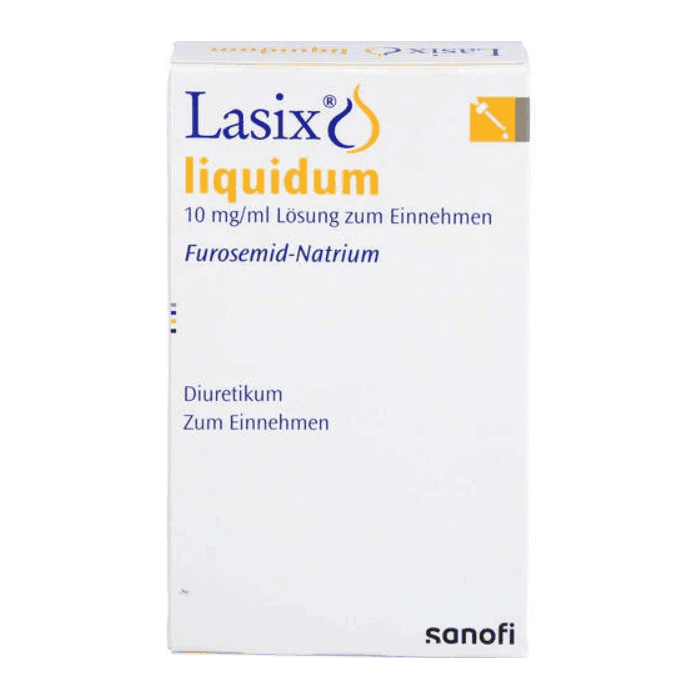
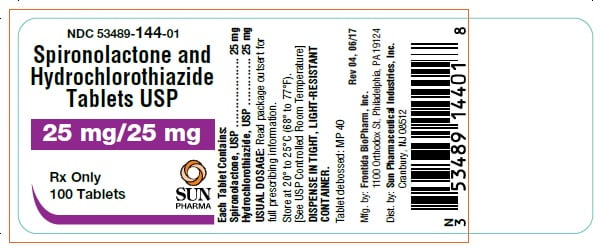
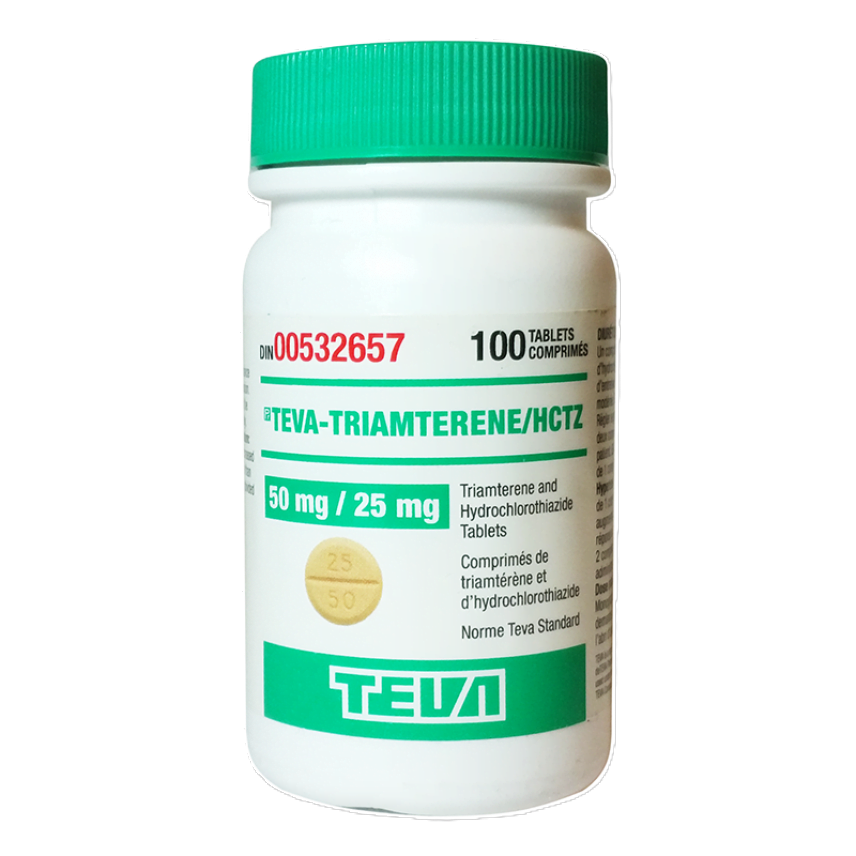
Find suitable medication for Edema
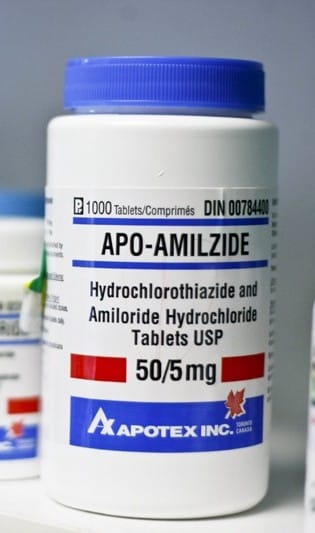
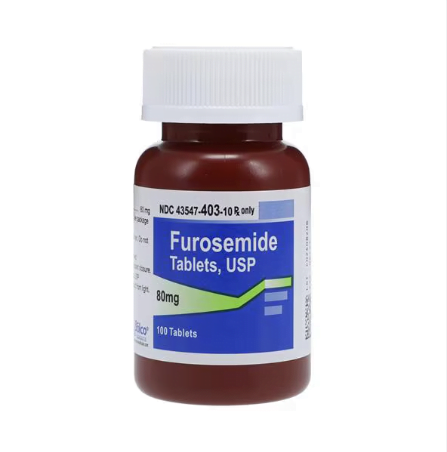
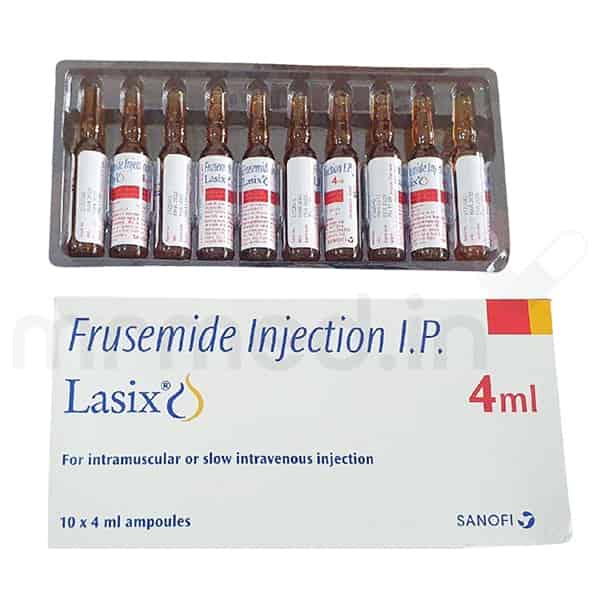
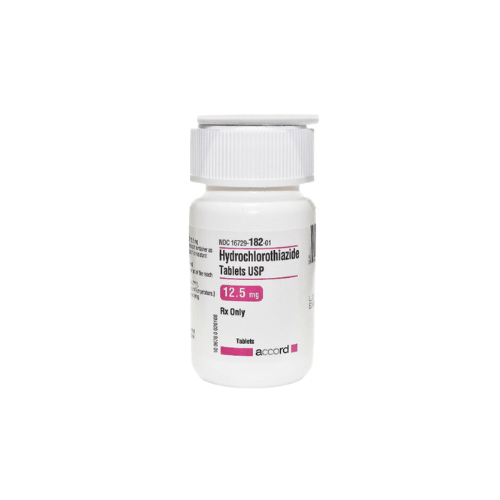

Book a telehealth visit to discuss Edema
Find a doctor
Speciality
State

Video Visit
$69

Video Visit
$69

Video Visit
$69

Video Visit
$69

Video Visit
$69

Video Visit
$69

Speciality: Dermatology, Family Medicine, Men's Health, Urgent Care, Women's health
Speaks: English, Spanish, French, Arabic, Portuguese
Video Visit
$69

Video Visit
$69

Video Visit
$69

Video Visit
$69

Video Visit
$69

Video Visit
$69
Frequently Asked Questions
What is the difference between pitting and nonpitting swelling?
Clinicians check whether pressing the skin leaves an indentation. Pitting swelling often relates to fluid shifting in soft tissues. Nonpitting swelling may feel firmer and less compressible. It can be linked to inflammation or lymphatic flow problems. The pattern is only one clue, not a diagnosis. Clinicians also consider skin warmth, redness, pain, and how long swelling lasts.
When does swelling need urgent medical care?
Urgent evaluation is recommended for swelling with shortness of breath, chest pain, or confusion. Prompt care is also important for one-sided leg swelling with pain. Fever, spreading redness, or severe skin tenderness can suggest infection. Pregnancy-related swelling with headache or vision changes also needs timely assessment. These symptoms can reflect serious conditions that are not safe to watch at home.
Can telehealth help evaluate swelling?
Telehealth can help with history review, symptom triage, and next-step planning. Clinicians may review photos and discuss timing, triggers, and medications. They may also screen for red-flag symptoms that need urgent care. Some swelling concerns still require in-person exams, labs, or imaging. Licensed clinicians make all clinical decisions based on the full picture and safety needs.
Do swelling medications always need a prescription?
Many medications used for swelling are prescription-only, depending on the cause. Pharmacies require a valid prescription and identity checks where required. Clinicians may need lab results or vital signs before prescribing. Some products marketed for “water weight” are not appropriate for medical swelling. Cash-pay checkout is often available without insurance, but requirements vary by medication and state rules.
What information helps a swelling visit go smoothly?
A clear timeline helps, including when swelling started and how it changes daily. Photos taken at similar times can show progression. A complete medication and supplement list is important for safety review. Relevant history includes heart, kidney, liver, and thyroid conditions. Notes on travel, recent surgery, injury, or infection can also matter. Sharing any breathing symptoms, fever, or skin redness supports safer triage.