


Dyspareunia
Care Options for Dyspareunia
Sex should not feel painful, yet many people experience pain with sex. Dyspareunia is the clinical term for ongoing or recurrent pain during intercourse. Pain may feel sharp, burning, or deep pelvic pressure. Some people notice vaginal dryness pain with sex. Others feel pelvic pain with sex linked to position or timing. This category page helps patients and caregivers compare resources and care pathways. It also supports practical next steps for scheduling and prescription access.
Painful intercourse can have many causes, and it can change over time. Some causes relate to hormones, skin irritation, infections, or pelvic floor dysfunction. Others involve endometriosis (tissue like the uterine lining growing elsewhere) or past injury. Emotional stress can also shape pain signals and muscle guarding. A careful history and exam often clarifies likely drivers. For background on lifelong care, see Women’s Health Wellness Guide.
Dyspareunia What You’ll Find
This collection brings together condition-focused information and access details. It is built for browsing, not self-diagnosis. It highlights common symptom patterns, possible contributing factors, and how clinicians approach a dyspareunia evaluation. It also points to related topics like vulvodynia (chronic vulvar pain) and pelvic floor dysfunction. These connections can help when symptoms feel confusing or inconsistent.
Many people use this page to prepare for a visit. Others use it to understand words seen in notes, labs, or referrals. It can also help caregivers support someone dealing with painful sex or pelvic pain. Medispress offers flat-fee video visits with licensed U.S. clinicians in a HIPAA-compliant app.
Quick tip: Write down symptom timing and triggers before browsing treatment discussions.
- Plain-language definitions for painful sex and pain during intercourse
- Common categories of causes of dyspareunia, without assuming one diagnosis
- What a typical dyspareunia diagnosis process may include
- Administrative notes on prescriptions, verification, and pharmacy coordination
- Links to broader women’s health topics for context
How to Choose
People describe painful sex in different ways, so it helps to browse by pattern. Some pain stays at the opening. Other pain feels deeper with thrusting or certain angles. Some symptoms track with menstrual cycles, postpartum changes, or menopause. The goal is to match resources to the most useful questions.
When reviewing Dyspareunia information, focus on what changes the pain. Look for sections that separate superficial dyspareunia from deep dyspareunia. Also check whether a source addresses dryness, muscle spasm, or pelvic inflammation. Balanced resources explain uncertainty and next-step evaluation. They also note when an exam matters.
Symptoms and patterns to compare
- Location: vulvar opening, vaginal canal, or deep pelvic pressure
- Timing: first penetration, throughout, or only afterward
- Triggers: dryness, friction, certain positions, or tampon use
- Associated symptoms: bleeding, discharge, urinary burning, or itching
- Life stage: postpartum dyspareunia or postmenopausal dyspareunia patterns
Questions to bring to a visit
- What problems can mimic painful intercourse, and how are they ruled out?
- Could pelvic floor dysfunction or vaginismus (involuntary pelvic floor tightening) fit the pattern?
- What exam findings would change the plan or referrals?
- What non-medication supports, like pelvic floor physical therapy, make sense?
- Which options are short-term comfort measures versus longer-term management?
Safety and Use Notes
Pain during intercourse can come from skin irritation, infections, inflammation, or muscle guarding. It can also relate to scarring, hormonal shifts, or certain medications. Some people have overlapping issues, like vaginal dryness plus pelvic floor tension. Others have pain driven by nerve sensitivity, as seen with vulvodynia and dyspareunia. Because causes vary, a clinician may recommend different exams or referrals.
Dyspareunia treatment discussions often mention lubricants, moisturizers, hormone therapy, or pelvic floor physical therapy. These options are not one-size-fits-all. Some require prescription oversight, especially hormonal therapies. Others may be reasonable over-the-counter comfort measures, depending on symptoms. Clinicians decide what evaluation and next steps fit each patient’s situation.
Why it matters: New severe pelvic pain with fever, heavy bleeding, or fainting needs urgent evaluation.
- Superficial pain may relate to irritation, dryness, dermatitis, or muscle spasm.
- Deep pain may relate to endometriosis, fibroids, pelvic inflammation, or bowel issues.
- Pelvic floor dysfunction can amplify pain through tight or uncoordinated muscles.
- Psychological factors dyspareunia discussions should stay respectful and trauma-informed.
- Some conditions need in-person exams, even after telehealth screening.
Access and Prescription Requirements
Some care options for painful intercourse involve prescription products. Others involve non-prescription supports, referrals, or self-care education. When a prescription is needed, pharmacies must verify a valid order from a licensed clinician. Licensed dispensing requirements and state rules can affect what is available. Some people prefer cash-pay options, often without insurance, when covered alternatives are limited.
Telehealth can support initial screening and care planning for pelvic pain with sex. It can also help organize history, discuss likely categories of causes, and plan next steps. Some situations still need an in-person pelvic exam, swabs, or imaging. When appropriate, providers can route prescriptions to partner pharmacies, following state dispensing rules.
- Prescription-only therapies require clinician review and a valid prescription.
- Pharmacies may request identity checks and medication safety verification.
- Availability can vary by state regulations and pharmacy policies.
- Cash-pay access may be offered for some prescriptions, often without insurance.
- Referrals may include gynecology or pelvic floor physical therapy services.
Related Resources
Many people benefit from learning both medical terms and plain-language summaries. The terms “painful sex” and “painful intercourse” can describe many different patterns. For broader context on reproductive health across life stages, browse Women’s Health Wellness Guide. For a neutral overview of symptoms and common causes, see this reference from ACOG on painful sex. Another plain-language summary appears in Mayo Clinic’s painful intercourse overview.
If resources mention Dyspareunia management, look for clear follow-up steps. Good materials explain when to seek in-person care. They also suggest ways to communicate symptoms clearly and calmly. That can make visits more efficient and less stressful.
This content is for informational purposes only and is not a substitute for professional medical advice.

Find suitable medication for Dyspareunia
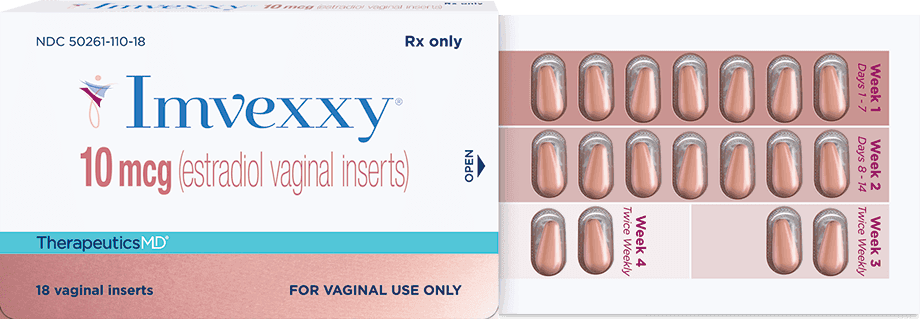
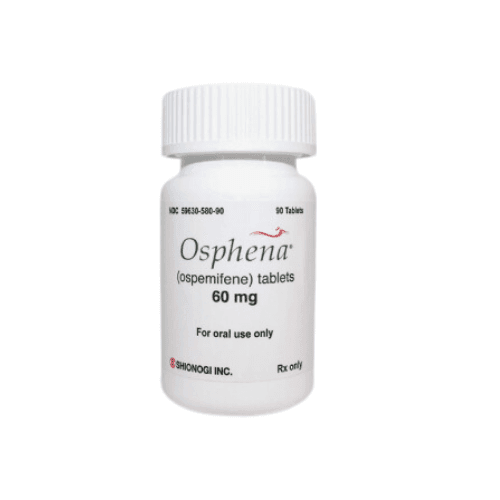
Book a telehealth visit to discuss Dyspareunia
Find a doctor
Speciality
State

Video Visit
$69

Video Visit
$69

Video Visit
$69

Video Visit
$69

Video Visit
$69

Video Visit
$69

Speciality: Dermatology, Family Medicine, Men's Health, Urgent Care, Women's health
Speaks: English, Spanish, French, Arabic, Portuguese
Video Visit
$69

Video Visit
$69

Video Visit
$69

Video Visit
$69

Video Visit
$69

Video Visit
$69
Frequently Asked Questions
What is dyspareunia?
Dyspareunia is the medical term for pain during sexual intercourse. People may describe burning, stinging, sharp pain, or deep pelvic pressure. Pain can happen at the vaginal opening or deeper inside. Symptoms may be occasional or persistent, and they can change over time. Many conditions can contribute, including vaginal dryness, pelvic floor muscle tension, inflammation, or endometriosis. A clinician can help sort causes by history, exam findings, and, when needed, testing.
What are common causes of painful sex?
Painful sex can come from several categories of causes. Skin irritation, infections, or allergic reactions can trigger burning or soreness. Vaginal dryness can worsen friction, especially postpartum or after menopause. Pelvic floor dysfunction can create muscle spasm or guarding that makes penetration painful. Deep pain may relate to endometriosis, fibroids, or pelvic inflammation. Emotional stress and past trauma can also affect muscle tension and pain processing. A structured evaluation helps narrow likely contributors.
What information helps a clinician evaluate pain during intercourse?
Clear details often help more than a long symptom list. Helpful notes include pain location, timing, and intensity. It also helps to record triggers like dryness, friction, or certain positions. Include related symptoms like bleeding, discharge, urinary burning, or itching. Note life-stage factors, such as postpartum changes or menopause. A clinician may also ask about medications, recent infections, surgeries, and pelvic floor symptoms. These details guide next steps and whether an in-person exam is needed.
When should pain with sex be treated as urgent?
Some symptoms need prompt medical evaluation. Seek urgent care for severe pelvic pain with fever, heavy vaginal bleeding, or fainting. Sudden one-sided pelvic pain can also be concerning. Pain after sexual activity paired with dizziness or shoulder pain needs quick assessment. Severe pain with vomiting or inability to stand also warrants urgent evaluation. These signs can have many causes, but waiting may increase risk. For non-urgent pain, a scheduled visit still helps clarify patterns and options.
Can telehealth help with dyspareunia concerns?
Telehealth can help with initial screening, education, and care planning. A clinician can review symptom patterns, medical history, and possible contributing factors. Video visits can also help patients prepare for an in-person pelvic exam when needed. Some conditions still require a physical exam, swabs, or imaging to confirm a diagnosis. If a prescription is appropriate, clinicians may coordinate options through partner pharmacies, depending on state rules. Telehealth works best when symptoms and goals are clearly described.