


Dysmenorrhea
Care Options for Dysmenorrhea
Dysmenorrhea is the clinical term for painful periods and menstrual cramps. This category page supports browsing options that may come up in care. It also explains common symptom patterns and possible causes. Some cramps are expected, while others signal a deeper issue. Clear information can help organize next steps and questions.
Use this collection to review related medications and care topics in one place. Details may include what a medicine is for, key safety notes, and general requirements. Video visits can also be an option for discussing period pain. Video visits connect patients with licensed U.S. clinicians.
Many people use this page to compare primary versus secondary cramps. Primary dysmenorrhea relates to cramps without another condition. Secondary dysmenorrhea relates to an underlying cause, like endometriosis. The sections below focus on practical, administrative guidance.
Dysmenorrhea What You’ll Find
This browse page brings together items that commonly relate to severe menstrual cramps. Some listings focus on medication information. Others focus on how clinicians think about symptoms and evaluation steps. The goal is to make it easier to compare options and stay organized.
For example, some people discuss NSAIDs (nonsteroidal anti-inflammatory drugs) for cramps. One prescription NSAID that may be discussed for pain is celecoxib. For background, see the Celecoxib Medication Page and the Celebrex Medication Page. Each page can help with basics, naming, and common questions.
Expect the collection to focus on education and browsing, not self-treatment. It can also help caregivers track what has been tried before. That context is often useful during a gynecologist consultation for cramps. It also supports clearer conversations about pelvic pain during menstruation.
- Medication information pages for commonly discussed prescriptions
- Plain-language definitions for period pain terms and patterns
- High-level notes on dysmenorrhea symptoms and when to escalate
- Administrative guidance on telehealth access and prescription steps
How to Choose
Menstrual cramps can look similar across many causes. Choosing what to read first often depends on the pattern. It also depends on how much symptoms disrupt daily life. This checklist can help prioritize what to review.
Clarify the symptom pattern
- Timing of pain, including before bleeding or during bleeding
- Location, such as low abdomen, back, or one-sided pelvic pain
- Associated symptoms, like nausea, diarrhea, or headache
- Severity, including missed school, work, or sleep disruption
- Changes over time, including new pain after years without it
Bring useful context for an evaluation
- Age at first cramps, including adolescent dysmenorrhea history
- Cycle regularity and typical bleeding pattern
- Past conditions, like fibroids, ovarian cysts, or endometriosis
- Medication history, including NSAID side effects or allergies
- Red flags, like fever, fainting, or severe one-sided pain
Tracking details can also support a period cramp diagnosis discussion. Notes can include what helped, what did not, and why. That information can reduce guesswork during a visit. It can also help separate cramps from other pelvic pain causes.
Safety and Use Notes
Period pain relief options can include medicines, devices, and supportive measures. The right approach depends on medical history and symptoms. Some options are over-the-counter, while others are prescription only. A clinician may also discuss hormonal therapy for dysmenorrhea in some cases.
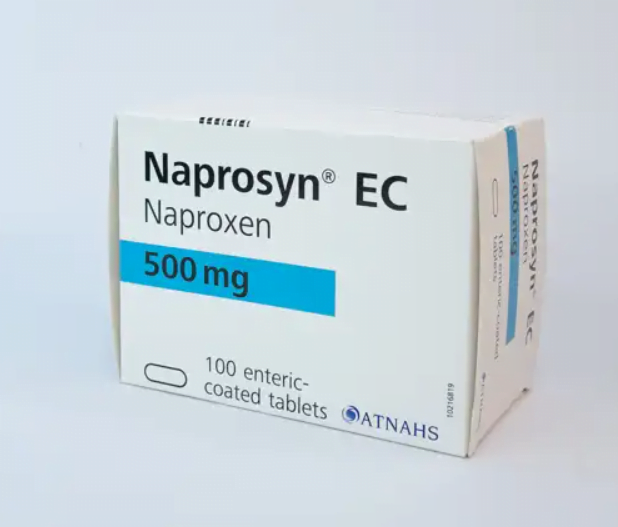
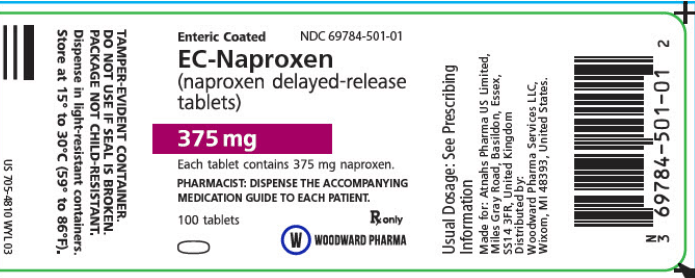
NSAIDs for cramps can have important safety limits. They may affect the stomach, kidneys, or bleeding risk in some people. They can also interact with other medicines, including blood pressure drugs. People with ulcers, kidney disease, or certain heart conditions often need extra caution. Visits take place in a secure, HIPAA-compliant app.
Why it matters: Secondary causes like endometriosis can need a different evaluation path.
Symptoms that suggest secondary dysmenorrhea can include worsening pain over time. Pain between periods can also be a clue. So can pain with sex, bowel movements, or urination. Fibroid-related period pain may come with heavy bleeding and pressure symptoms. For background reading, see this ACOG overview of painful periods: Dysmenorrhea (Painful Periods). Another reference is this MedlinePlus page on menstrual pain: Menstrual Pain.
This section is educational and does not replace clinical care. It does not provide dosing, start-stop instructions, or a diagnosis. For urgent or severe symptoms, same-day medical evaluation may be needed. When in doubt, a clinician can help triage next steps.
Access and Prescription Requirements
Some dysmenorrhea treatment options are available over the counter. Others require a prescription and pharmacy verification. Requirements vary by medication and by state. A clinician will decide what is clinically appropriate.
Medispress supports telehealth visits by video with U.S.-licensed clinicians. The visit model is a flat fee, without insurance for many cash-pay users. Documentation and medication history are often needed for safe prescribing. If appropriate, prescriptions may be coordinated through partner pharmacies, depending on state rules.
Prescription medications typically require identity and safety checks. Pharmacies may also confirm allergies and possible interactions. Some medicines have added rules, including quantity limits or monitoring. Refill timing and renewals can also depend on clinical reassessment. These are normal safeguards for prescription verification and licensed dispensing.
Related Resources
People often compare cramps against other conditions that can mimic them. That includes dysmenorrhea vs endometriosis questions and broader pelvic pain causes. Keeping information organized can make visits more efficient. It can also help caregivers support adolescents who miss school during cramps.
Quick tip: Keep a monthly log of pain days and activity impact.
Tracking menstrual pain can include timing, severity, and what else happened that day. It may also include sleep changes, stress, and exercise patterns. Heat therapy for cramps and other self-care steps can be logged too. Lifestyle changes for period pain are often discussed alongside medical options. This page is meant to support that kind of planning and browsing.
This content is for informational purposes only and is not a substitute for professional medical advice.

Find suitable medication for Dysmenorrhea
Book a telehealth visit to discuss Dysmenorrhea
Find a doctor
Speciality
State

Video Visit
$69

Video Visit
$69

Video Visit
$69

Video Visit
$69

Video Visit
$69

Video Visit
$69

Speciality: Dermatology, Family Medicine, Men's Health, Urgent Care, Women's health
Speaks: English, Spanish, French, Arabic, Portuguese
Video Visit
$69

Video Visit
$69

Video Visit
$69

Video Visit
$69

Video Visit
$69

Video Visit
$69
Frequently Asked Questions
What is dysmenorrhea, and how is it different from normal cramps?
Dysmenorrhea means painful periods that can interfere with daily activities. Mild cramping can be common with menstruation. Dysmenorrhea usually refers to cramps that are more intense, longer, or disruptive. Clinicians often describe two types. Primary dysmenorrhea happens without another pelvic condition. Secondary dysmenorrhea relates to an underlying cause, like endometriosis or fibroids. A history of worsening pain, new symptoms, or pain between periods can help guide evaluation.
What causes painful periods, and when can it be secondary dysmenorrhea?
Painful periods can come from uterine contractions and inflammation during menstruation. This is often called primary dysmenorrhea. Secondary dysmenorrhea means cramps have an underlying cause. Examples include endometriosis, adenomyosis, pelvic inflammatory disease, or fibroids. Clues can include pain that gets worse over time, pain outside the period window, heavy bleeding, or pain with sex. A clinician may use symptom history, an exam, and sometimes imaging to sort causes safely.
What information helps a clinician evaluate period pain?
Helpful information includes when pain starts, where it is felt, and how long it lasts. Many clinicians ask about cycle regularity and bleeding amount. They may also ask about nausea, bowel changes, or urinary symptoms. Prior medication use matters, including side effects or allergies. A simple monthly log can help, especially for adolescents. Notes on missed school or work also add useful context. This information supports a clearer discussion of evaluation options and next steps.
What care options are commonly discussed for menstrual cramps?
Common discussions include supportive measures and medications, depending on symptoms. Supportive options can include heat, rest, and tracking patterns over time. Medication discussions often include NSAIDs (nonsteroidal anti-inflammatory drugs) and, in some cases, hormonal options. The best fit depends on medical history, other medications, and possible underlying conditions. Prescription options require a clinician’s assessment and pharmacy verification. Educational medication pages can help clarify names, common cautions, and what questions to ask during a visit.
When does period pain need urgent medical care?
Some symptoms should be treated as urgent, especially if they are sudden or severe. Examples include fainting, severe one-sided pelvic pain, fever, or heavy bleeding with weakness. Pain with pregnancy risk, severe vomiting, or signs of dehydration can also be concerning. New pain that is very different from prior cycles may warrant prompt evaluation. This is not a diagnosis guide. When symptoms feel alarming or rapidly worsening, urgent medical assessment is the safest choice.