


Dry Mouth
Care Options for Dry Mouth
Dry Mouth can be more than an annoying dry feeling. It can affect speaking, swallowing, sleep, and oral comfort. Caregivers may also notice changes like bad breath, sore throat, or thirst. This category page helps patients and caregivers browse common support options. It also explains typical triggers and when added evaluation matters.
Use this page to compare non-prescription products, learn key terms, and prepare for a clinician visit. Some people notice dry mouth at night or waking up with dry mouth. Others see symptoms after starting a new medication or during illness. Patterns can help guide next steps and questions.
Dry Mouth: What You’ll Find
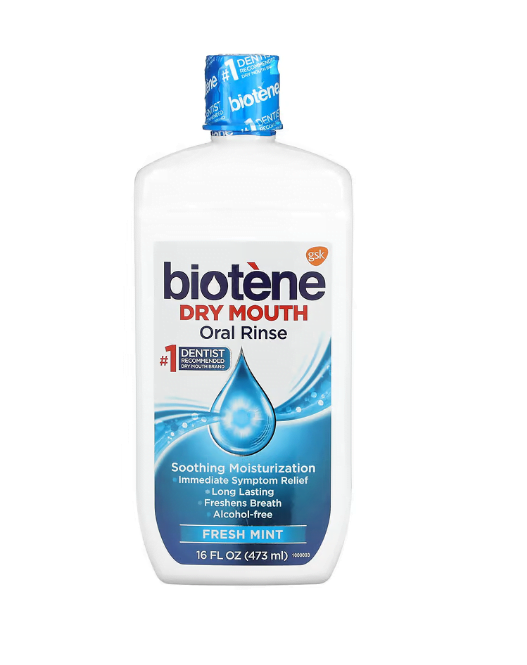
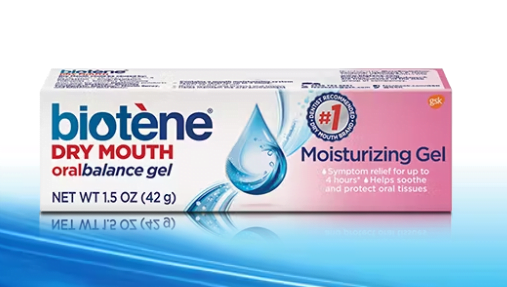
This collection focuses on practical ways to browse support for mouth dryness. Items commonly used for comfort include saliva substitutes, moisturizing rinses, gentle toothpaste, and lozenges. Many products aim to protect tissues and reduce friction. Some also help with taste changes or dry mouth and bad breath.
There is also educational context for xerostomia (low-saliva dry mouth). Low saliva can relate to medications, dehydration, or salivary gland dysfunction. Notes on symptom timing can also matter, including dry mouth while sleeping. That timing can point to mouth breathing, snoring, or nasal congestion.
Medispress visits are a flat fee with licensed U.S. clinicians by video.
What’s included on this browse page often covers:
- Over-the-counter product types for oral moisture and comfort
- Common triggers to track, including dehydration and medication side effects
- Language to use when describing symptoms and daily impact
- Administrative basics for prescription review when it is relevant
- Links to related conditions that can overlap with dryness
How to Choose
Different products fit different moments of the day. Some options coat and soothe for longer stretches. Others feel lighter and work best for quick relief. Comparing formats helps narrow choices without guessing.
Match the product to the situation
- For nighttime dryness, compare gels versus sprays for longer coverage
- For daytime use, compare portability and how often reapplication is needed
- For sensitivity, look for mild flavors and non-stinging formulas
- For denture wearers, check label compatibility and residue feel
- For frequent sipping needs, consider lozenges versus rinse options
Check ingredients and comfort factors
- Look for alcohol-free rinses when tissues feel irritated or burning
- Check for sugar-free labeling to support dental habits
- Review cooling agents and strong minting if discomfort increases
- Note ingredients that may cause sensitivity, like certain flavor oils
- Scan warnings for pediatric use when selecting items for families
Quick tip: Keep a short symptom log to share during a visit.
When browsing Dry Mouth support items, it helps to compare how each product feels after ten minutes. Texture and aftertaste can matter as much as label claims. If dryness comes with mouth sores, separate products may be needed. Browsing Mouth Ulcers can add useful context for comfort-focused care.
Safety and Use Notes
Mouth dryness can happen for many reasons, and some are temporary. It can also signal broader issues that deserve a clinician’s review. Contributors can include illness, stress, or dry mouth anxiety. Some chronic conditions can also play a role, including dry mouth diabetes and hormonal changes.
For a general overview, see NIDCR’s dry mouth resource.
Appointments happen in a secure, HIPAA-compliant app.
| Possible contributor | Why it matters | Helpful details to note |
|---|---|---|
| Medications | Some medicines reduce saliva as a side effect | Start dates, dose changes, and new combinations |
| Dry mouth dehydration | Less fluid intake can worsen symptoms quickly | Recent illness, sweating, or reduced drinking |
| Mouth breathing at night | Airflow can dry tissues during sleep | Snoring, congestion, or nasal blockage |
| After radiation | Treatment can affect salivary glands | Radiation site and timing of symptom onset |
| Age-related changes | Dry mouth in elderly adults is more common | Dental changes, new devices, and diet shifts |
Some warning signs may need faster evaluation. These include facial swelling, trouble swallowing, or severe mouth pain. Ongoing fever, sudden confusion, or signs of dehydration also matter. New sores, bleeding gums, or persistent hoarseness can also warrant attention.
Why it matters: Low saliva can raise cavity and infection risk.
Access and Prescription Requirements
Many comfort products are available without a prescription. Other options may require clinician review, depending on symptoms and history. Prescription rules also vary by product type and state requirements. This page supports browsing and preparation, not self-diagnosis.
Prescriptions, when appropriate, can be coordinated through partner pharmacies under state rules.
Before scheduling a visit, it helps to gather key details. A current medication list matters when reviewing medications that cause dry mouth. Notes about timing also help, including dry mouth while sleeping or daytime-only symptoms. Many visits work best with photos of oral irritation, when safe to capture.
- Bring a list of current medicines, including over-the-counter products
- Note relevant health history, including diabetes or recent radiation
- Track hydration patterns and any major routine changes
- Share product preferences, like flavor sensitivity or gel texture
- Expect standard prescription verification steps when an Rx is involved
Cash-pay access is available, often without insurance, when coverage is limited. Clinicians make the clinical decisions for any diagnosis or prescription plan. Product selection and prescription outcomes depend on individual evaluation.
Related Resources
Dryness often shows up across more than one area. Comparing nearby categories can clarify patterns and reduce guesswork. For eye symptoms, browse Dry Eye for overlapping comfort approaches. For airway dryness, see Dry Nose and Nasal Dryness, especially when mouth breathing seems likely.
General wellness topics can also support better visit preparation. Hydration basics can be reviewed in Benefits Of Hydration. Planning for a virtual visit is covered in Prepare For Telehealth Appointment. If sleep disruption is part of the picture, Telehealth For Insomnia may help frame questions. If congestion drives mouth breathing, Seasonal Allergic Rhinitis Relief offers symptom context.
- Browse related dryness categories for shared triggers and patterns
- Use education pages to build a clearer symptom timeline
- Bring notes on products tried, including what felt irritating
This content is for informational purposes only and is not a substitute for professional medical advice.

Find suitable medication for Dry Mouth


Book a telehealth visit to discuss Dry Mouth
Find a doctor
Speciality
State

Video Visit
$69

Video Visit
$69

Video Visit
$69

Video Visit
$69

Video Visit
$69

Video Visit
$69

Speciality: Dermatology, Family Medicine, Men's Health, Urgent Care, Women's health
Speaks: English, Spanish, French, Arabic, Portuguese
Video Visit
$69

Video Visit
$69

Video Visit
$69

Video Visit
$69

Video Visit
$69

Video Visit
$69
Frequently Asked Questions
What is included on this Dry Mouth page?
This page collects browsing options and practical education for mouth dryness. It may include comfort-focused product types, like moisturizing rinses and saliva substitutes. It also covers common symptom patterns, like nighttime dryness and bad breath concerns. Links to related condition pages and health guides are included for context. The goal is to make comparisons easier before choosing items or scheduling a visit.
How can I compare products for mouth dryness on Medispress?
Use the category layout to compare product formats and label details. Focus on the use case, such as daytime comfort versus overnight coverage. Review ingredient notes, warnings, and flavor intensity, since sensitivity varies. Keep a short list of products already tried and the results. That list helps keep browsing organized and reduces repeat trials.
Can medications contribute to mouth dryness?
Yes, many medications can reduce saliva as a side effect. This is one reason a complete medication list matters during evaluation. Include prescriptions, over-the-counter products, and supplements when documenting changes. Timing helps too, especially when symptoms started after a new medication. A clinician can review whether the pattern matches known side effects and consider alternatives when appropriate.
When should dry mouth be evaluated urgently?
Urgent evaluation may be appropriate for facial swelling, trouble swallowing, or severe mouth pain. Fever with dehydration signs can also be concerning. Blood in the mouth, rapidly worsening sores, or difficulty breathing needs prompt attention. New confusion or severe weakness may also require urgent care. Persistent symptoms that affect eating or sleeping also deserve clinical review.
How does a telehealth visit work for dry mouth concerns?
Telehealth visits usually start with a symptom history and a medication review. Photos of oral irritation can help when available and safe to capture. A licensed clinician determines whether evaluation, testing, or prescriptions are appropriate. When a prescription is suitable, it may be coordinated through partner pharmacies, following state rules. Some people use telehealth when paying cash, including options without insurance.