


Dry Eye
Care Options for Dry Eye
Dry Eye can feel like burning, grittiness, or blurred vision that comes and goes. This category page helps patients and caregivers compare common care approaches and product types. It also explains what details matter when browsing eye drops and related options.
Dry eye syndrome has many triggers, including screen time, contact lenses, and aging. Some cases relate to eyelid inflammation or autoimmune conditions. Because causes vary, the best next step often starts with clear symptom notes.
Visits on Medispress happen by secure video in a HIPAA-compliant app.
Dry Eye What You’ll Find
This collection brings together common options people discuss for dry eyes. Some are non-prescription comfort products. Others may involve prescription eye drops for dry eye, when a clinician decides they fit.
Listings often include practical details that support side-by-side comparison. Look for what the product is for, the form it comes in, and any key handling notes. For prescription items, the page may note that an evaluation is needed first.
Many people see different patterns of irritation over time. Some notice evaporative dry eye (tears evaporate too quickly). Others have aqueous-deficient dry eye (low tear production). You may also see references to meibomian gland dysfunction (blocked oil glands in the eyelids).
- Lubricating eye drops and artificial tears options
- Preservative-free versus preserved formulations, where noted
- Prescription categories used for chronic symptoms, when appropriate
- Supportive items that relate to eyelid care and comfort
- Background notes on dry eye symptoms and dry eye causes
How to Choose
Different products aim at different parts of the tear film. Some focus on short-term comfort. Others target longer-term inflammation, under clinician guidance. The goal here is easier comparison, not self-diagnosis.
When browsing for Dry Eye, it helps to match the listing details to the main complaint. Irritation that worsens with wind or screens can read differently than morning crusting. Contact lens wear can also change what feels tolerable.
Compare product details that change day-to-day use
- Drop type and feel: watery versus thicker gel, if described
- Preservatives: relevant for frequent use or sensitivity history
- Contact lens compatibility, if the label addresses it
- Single-use vials versus multi-dose bottles, where applicable
- Storage notes and expiration after opening, when listed
Use your symptom pattern to guide what to read
- Gritty, tired eyes late day: can align with evaporative patterns
- Stringy mucus or crusting: may overlap with blepharitis and dry eye
- Watery eyes with irritation: can still happen with dryness
- Seasonal itching: dry eye vs allergies can look similar at first
- Medication history: some drugs can worsen dryness as a side effect
Quick tip: Save a simple list of current drops and contact lenses.
For help organizing visit notes, see Prepare For Telehealth Appointment.
Safety and Use Notes
Eye irritation can come from dryness, allergy, infection, or injury. A listing can suggest what a product is for, but it cannot confirm a diagnosis. This section highlights common safety boundaries and label points to notice.
A licensed U.S. clinician reviews symptoms and makes clinical decisions.
When in-person eye care is a better fit
- Sudden vision loss, severe eye pain, or light sensitivity
- Eye injury, chemical exposure, or a possible foreign body
- New thick discharge, eyelid swelling, or fever with eye redness
- Symptoms in contact lens wearers that worsen quickly
- One-sided red eye with headache, nausea, or halos around lights
Common label issues for drops and eye products
- Avoid sharing eye products between people in a household
- Do not use a product past its labeled expiration date
- Check for preservative sensitivity if frequent dosing is expected
- Review interactions or precautions listed on the packaging
- Ask about pregnancy or breastfeeding considerations during evaluation
Why it matters: Eye products can spread germs when the tip gets contaminated.
For clinician-reviewed background, see the American Academy of Ophthalmology.
Access and Prescription Requirements
Some options in this category are over-the-counter. Others require a prescription because they act on inflammation or other pathways. For those items, a clinician visit helps confirm whether a prescription makes sense.
Prescription access for Dry Eye also depends on state rules and product type. Some medications need ongoing follow-up, based on symptoms and tolerance. A pharmacy may also require basic verification steps before dispensing.
- OTC items can be browsed and compared by form and features
- Rx items require a valid prescription from a licensed clinician
- Availability can vary by state regulations and pharmacy policies
- Cash-pay options may be available, often without insurance
- Some people still use insurance elsewhere, depending on coverage
When appropriate, prescriptions may be coordinated through partner pharmacies, following state regulations.
Related Resources
Dryness symptoms can show up in more than one area of the body. If a broader pattern is being explored, browsing related collections can help organize questions. See Dry Mouth, Dry Nose, and Nasal Dryness for adjacent topics.
Discomfort can also affect focus and sleep. For general wellness reading, review Better Sleep Habits, Treating Insomnia, and Telehealth For Insomnia. For stress skills that can support routines, see Stop Panic Attacks.
- Read up on dry eye relief options and common tradeoffs
- Compare product formats and note preservative information
- Collect a symptom timeline before any telehealth evaluation
For a plain-language overview, see the National Eye Institute.
This content is for informational purposes only and is not a substitute for professional medical advice.

Find suitable medication for Dry Eye

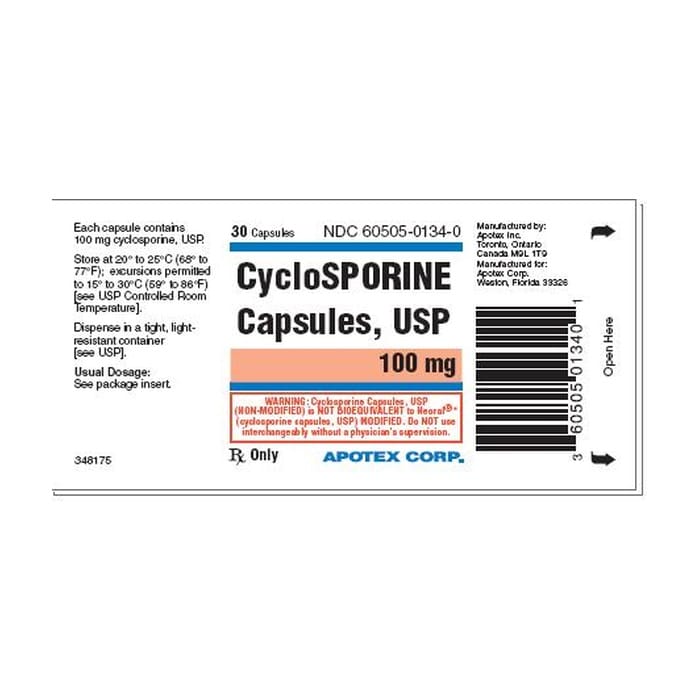
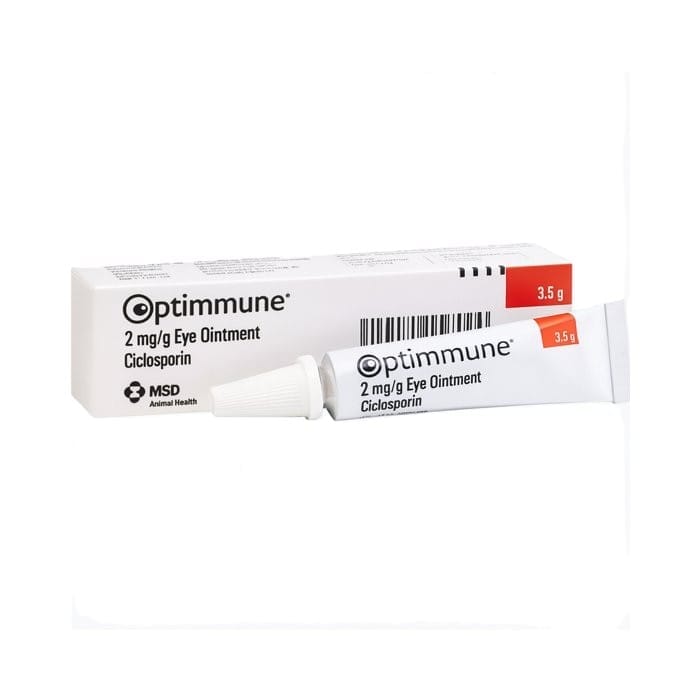

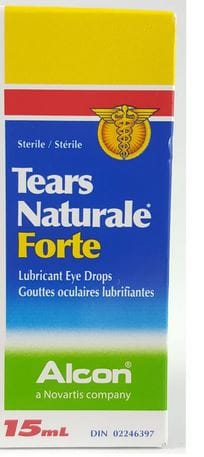
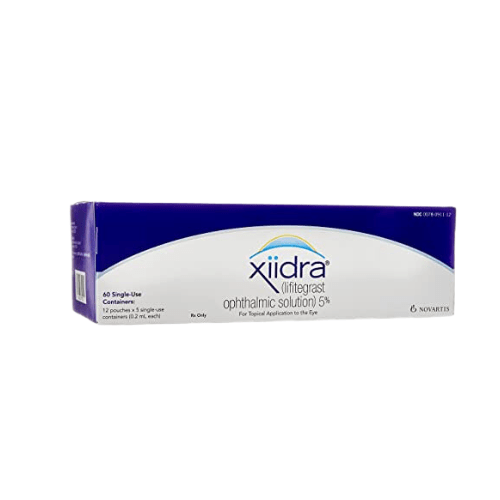
Book a telehealth visit to discuss Dry Eye
Find a doctor
Speciality
State

Video Visit
$69

Video Visit
$69

Video Visit
$69

Video Visit
$69

Video Visit
$69

Video Visit
$69

Speciality: Dermatology, Family Medicine, Men's Health, Urgent Care, Women's health
Speaks: English, Spanish, French, Arabic, Portuguese
Video Visit
$69

Video Visit
$69

Video Visit
$69

Video Visit
$69

Video Visit
$69

Video Visit
$69
Frequently Asked Questions
What is included on this Dry Eye category page?
This browse page groups common dry eye syndrome options in one place. It may include non-prescription lubricating eye drops, supportive comfort items, and prescription categories when clinically appropriate. Listings typically show the product type, key label notes, and any prescription requirement. Educational context may also appear, such as dry eye symptoms, common triggers, and terms like evaporative dry eye or meibomian gland dysfunction. The goal is clearer comparison, not a diagnosis.
How do I compare artificial tears and lubricating eye drops?
Start with the listing details that change daily use. Look at the formulation style, such as thinner drops versus thicker gels, if described. Check whether preservatives are present, since that can matter for frequent use. If contact lenses are involved, review any lens-related label notes. Also note package type, like single-use vials versus multi-dose bottles, when stated. If symptoms persist or feel complex, an eye-care clinician can help interpret options.
When are prescription eye drops considered for dry eyes?
Prescription options may be considered when symptoms persist, recur often, or link with inflammation. A clinician typically reviews symptom pattern, eye history, and any medication factors before deciding. Some people also have related eyelid conditions, like blepharitis, that change the plan. This category page can help identify which listings require a prescription and which are OTC. It cannot determine whether a specific prescription is appropriate for an individual.
How does Medispress handle telehealth visits and prescriptions?
Medispress offers telehealth visits by video in a secure, HIPAA-compliant app. Licensed U.S. clinicians evaluate symptoms and make all clinical decisions during the visit. If a prescription is clinically appropriate, the provider may coordinate prescription options through partner pharmacies, subject to state regulations. Some items on the browse page are OTC and do not involve prescribing. Prescription products still require a valid prescription for dispensing.
What symptoms suggest urgent eye care instead of browsing products?
Urgent evaluation is appropriate for severe eye pain, sudden vision changes, or strong light sensitivity. Eye injury, chemical exposure, or a possible foreign body also needs prompt care. Contact lens wearers with rapidly worsening redness or pain should not delay evaluation. Thick discharge, marked eyelid swelling, or fever with eye redness can signal infection. This page supports education and comparison, but it cannot screen emergencies or replace an exam.