


Distemper
Care Options for Distemper
Distemper is a serious viral illness that affects several animal species. It is discussed most often for dogs and puppies. The illness can involve breathing, stomach, and nervous system symptoms. This category page brings together practical information and related items to browse. It also helps clarify terms that can sound similar across species.
Why it matters: Clear terminology helps avoid mix-ups when reviewing care resources.
Medispress video visits connect patients with licensed U.S. clinicians through an app. Clinicians decide what is appropriate for each visit. When prescription options apply, requirements can vary by state rules.
What You’ll Find for Distemper
This browse page focuses on practical, caregiver-friendly details. It supports learning and navigation, without replacing veterinary guidance. Many people start here to understand what a term means in context. Others use it to compare what is prescription-only versus over-the-counter.
Expect clear explanations of common symptom patterns and prevention concepts. Content may also cover cleaning and disinfection basics for shared spaces. Some listings may reference supportive care, like hydration support or nausea control. Prescription status and important warnings should be easy to spot.
- Plain-language definitions and key terms used in clinics
- Common signs and how they may progress over time
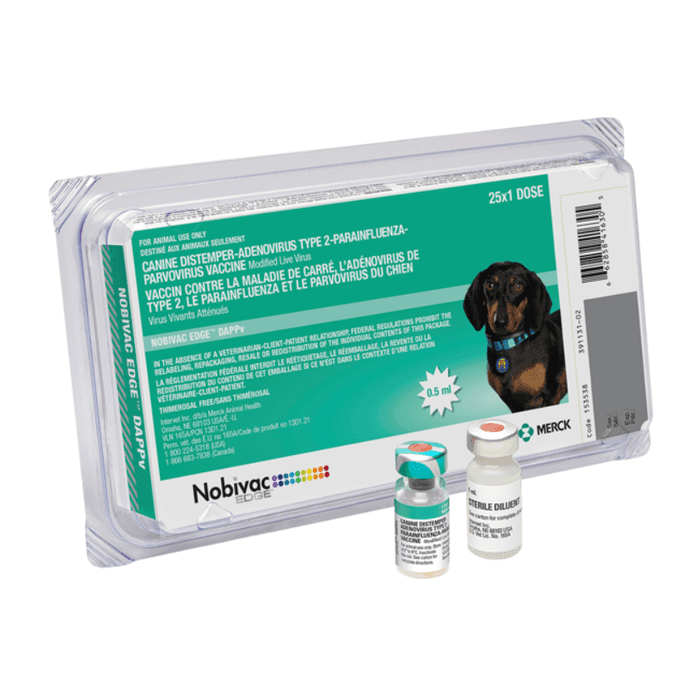
- Prevention topics, including routine vaccination discussions
- Administrative notes on prescriptions and verification requirements
- Links to related condition collections for deeper browsing
How to Choose
Some listings use Distemper as a broad label for different caregiver questions. Start by matching the resource to the animal species involved. Then focus on the main body system affected, like breathing or neurologic changes. This approach helps keep browsing focused and less overwhelming.
Quick tip: Use filters to compare formats, requirements, and key warnings.
Match the resource to the species
In dogs, the term often refers to CDV, a contagious virus. In cats, “feline distemper” may refer to feline panleukopenia instead. Ferrets and some wildlife can also be affected by related viruses. Because names overlap, a short definition section matters.
- Species context, including puppies, adults, ferrets, or wildlife exposure
- Vaccination history terms, like DHPP for dogs and FVRCP for cats
- Main symptom cluster, such as respiratory, gastrointestinal, or neurologic
- Home setting risk, including shelters or multi-pet households
- Cleaning and surface compatibility notes for common disinfectants
Know when a clinician should review
Many supportive items look simple but carry meaningful risks. Drug interactions can matter, especially with seizure medicines or sedatives. Dehydration and pneumonia concerns can change what is appropriate. A review is also helpful when the timeline is unclear.
- Current medications and supplements, including flea and tick products
- Recent appetite, fluid intake, and stool changes
- Any neurologic signs, such as tremors or unsteady walking
- Age and underlying conditions that can raise complication risk
- Whether a prescription is required for a specific option
Safety and Use Notes
Many people ask whether is distemper contagious, especially around other pets. Spread can occur through close contact and shared secretions. Risk is often higher in unvaccinated animals and crowded settings. Guidance from a veterinary professional is important for isolation decisions.
Vaccination is widely discussed as a key prevention tool in dogs. For cats, the analogous prevention conversation often centers on core vaccines. Long-term effects can happen, especially when the nervous system is involved. That is why symptom descriptions should be read carefully and in context.
Appointments take place in a secure, HIPAA-compliant app built for telehealth communication.
For a veterinary overview, see this AVMA pet owner page. For clinical background, see the Merck Veterinary Manual entry.
- Some symptoms can overlap with other infections, including parvovirus
- Neurologic changes can be subtle at first and then worsen
- Do not combine leftover medications without veterinary review
- Cleaning guidance should consider pets, people, and surface safety
- Severe lethargy, breathing distress, or seizures often need urgent evaluation
Access and Prescription Requirements
Some care options discussed under Distemper may involve prescription medications. When a prescription is required, identity and prescription details typically need verification. Licensed pharmacies follow dispensing rules for the patient and location. Availability can also depend on state-specific regulations and pharmacy policies.
Medispress offers telehealth visits by video with licensed U.S. clinicians. When clinically appropriate, clinicians may coordinate prescriptions through partner pharmacies, per state rules. Cash-pay access is available, often without insurance, depending on the service. Shipping rules can vary by item type and dispensing requirements.
- Keep an updated medication list, including supplements and preventives
- Have recent weight and age available for context and safety checks
- Note key symptoms and the general timeline, without guessing causes
- Check whether an option is over-the-counter or prescription-only
- Review warnings for pregnancy, young animals, and chronic conditions
Related Resources
For a more specific collection focused on dogs, browse Canine Distemper. That page can help narrow language, prevention topics, and supportive care questions. It may also clarify confusing terms, like “parvo-like” symptoms, across conditions. Use these pages as a starting point for organized browsing and clinician discussions.
This content is for informational purposes only and is not a substitute for professional medical advice.

Find suitable medication for Distemper
Book a telehealth visit to discuss Distemper
Find a doctor
Speciality
State

Video Visit
$69

Video Visit
$69

Video Visit
$69

Video Visit
$69

Video Visit
$69

Video Visit
$69

Speciality: Dermatology, Family Medicine, Men's Health, Urgent Care, Women's health
Speaks: English, Spanish, French, Arabic, Portuguese
Video Visit
$69

Video Visit
$69

Video Visit
$69

Video Visit
$69

Video Visit
$69

Video Visit
$69
Frequently Asked Questions
What is included on the Distemper category page?
This category page supports browsing and basic education in one place. It may include plain-language definitions, symptom overviews, and prevention topics. It can also include items that relate to supportive care and cleaning. Some options may require a prescription and verification. Use the page to compare what is available and what questions to note. It is not a substitute for veterinary care or diagnosis.
How is canine distemper different from feline distemper?
In dogs, the term usually refers to canine distemper virus (CDV). In cats, “feline distemper” often means feline panleukopenia, which is different. The diseases differ in cause, typical course, and prevention strategies. Vaccine acronyms can also differ across species, which adds confusion. When reading resources, look for the species label and the virus name. That context helps keep browsing accurate.
Can Medispress help with prescriptions related to distemper care?
Medispress can support access to clinician review through video visits. Clinicians make all clinical decisions based on the visit information. When appropriate, prescriptions may be coordinated through partner pharmacies. This process follows state regulations and pharmacy dispensing rules. Some items may be over-the-counter and not require prescriptions. Others may not be appropriate for telehealth, depending on the situation.
What information helps a clinician review a distemper concern?
A clear symptom list and general timeline are helpful for review. Vaccination history terms, like DHPP or FVRCP, can add context. Current medications and supplements help reduce interaction risks. Age, weight, and underlying conditions can also affect safety considerations. Notes about exposure risks, like shelters or multi-pet homes, may matter. Share what is known, and avoid guessing at causes.
When is urgent in-person veterinary care important?
In-person evaluation is often important with severe breathing difficulty. It can also matter with seizures or sudden neurologic changes. Persistent vomiting, collapse, or profound weakness can signal serious illness. Dehydration and pneumonia concerns may require hands-on assessment. Telehealth can help with initial questions, but it cannot replace emergency services. Local veterinary guidance remains the safest option for high-risk symptoms.