


Diabetic Neuropathy
Care Options and Resources for Diabetic Neuropathy
This category page helps patients and caregivers compare options for nerve symptoms in diabetes.
Diabetic Neuropathy can cause burning, tingling, or numb feet over time.
Browse explanations, access notes, and related diabetes complication collections in one place.
Common types include peripheral neuropathy, which affects hands and feet nerves.
Autonomic neuropathy can affect digestion, sweating, and blood pressure control.
This page focuses on navigation and planning, not personal medical decisions today.
Diabetic Neuropathy What You’ll Find
Within this browse page, listings can include prescription-required items and supportive nonprescription options.
Details may note intended use, key warnings, and common side effects.
Filters and categories can help compare diabetes-related complications side by side.
Telehealth visits are conducted by licensed U.S. clinicians when a visit is requested.
Clinicians decide what care is appropriate based on the visit.
Browse related collections like Diabetic Retinopathy and Diabetic Kidney Disease for context.
Some people also track eye changes linked to diabetes over time.
Links to Diabetic Macular Edema can support that review during browsing.
Quick tip: Keep a simple symptom log in the app before appointments.
- Condition overview terms, including common neuropathy types and stages for browsing.
- Navigation to related diabetes complication collections and supportive reading topics.
- Administrative notes for prescription-only items, when those listings appear here.
- High-level safety notes, including foot care and fall prevention basics.
- Links to lifestyle guides that support diabetes self-management habits daily.
How to Choose
Choosing what to read or compare starts with clear symptom details.
Neuropathy may feel like burning feet, tingling, or sudden shooting pain.
Note whether symptoms worsen at night or after activity periods.
For Diabetic Neuropathy, compare options by goals, risks, and daily routines.
Some listings focus on nerve pain support, while others support diabetes care.
Match symptoms and goals
- Location of symptoms, such as toes, soles, hands, or thighs.
- Pattern of numbness or pain, including constant, intermittent, or triggered.
- Daily impact, like sleep disruption, balance concerns, or reduced activity.
- Other diabetes complications already being monitored or treated elsewhere too.
- Medication list and allergies, to review interaction and safety concerns.
Questions for a clinician
- What symptoms suggest peripheral versus autonomic nerve involvement here today.
- Which warning signs mean a same-day evaluation is safer overall.
- How does glucose control relate to symptom changes over time.
- What nonpharmacologic options may fit, like footwear changes or exercises.
- If medications are considered, what side effects matter most first.
Safety and Use Notes
Safety questions often involve numb feet, skin injury risk, and falls.
Loss of sensation can hide blisters, cuts, or pressure sores.
Foot care habits and regular checks can lower avoidable complications.
Diabetic Neuropathy resources may discuss nerve pain medicines and non-drug approaches.
Each option can have tradeoffs, especially with other medicines or conditions.
For a baseline overview, see this ADA page: Diabetes Neuropathy.
Why it matters: Numbness can hide injuries until infection becomes harder to treat.
Prompt evaluation is often recommended for symptoms that change quickly.
- New weakness, foot drop, or trouble walking that appears suddenly.
- Open sores, redness, warmth, or drainage on the feet skin.
- Fainting, severe dizziness, or chest pain with diabetes symptoms present.
- Severe nausea, vomiting, or dehydration along with high glucose signs.
For definitions of diabetic neuropathies, see this NIDDK overview: Diabetic Neuropathies.
Appointments use a secure, HIPAA-compliant video app for private messaging and records.
Access and Prescription Requirements
Some options in this category require a prescription, while others do not.
If an item is prescription-only, dispensing requires a valid clinician order.
Verification steps may include identity checks and pharmacy review of the prescription.
Access notes for Diabetic Neuropathy may mention state limits and refill policies.
Many people also use cash-pay options, often without insurance, when available.
- Current medication list, including over-the-counter products and supplements too today.
- Allergy history and any past side effects from nerve pain medicines.
- Recent blood glucose patterns, including hypo or hyperglycemia episodes noted.
- Preferred pharmacy details, if a prescription is clinically appropriate later.
- Photos of feet or skin changes, when sharing is comfortable.
When appropriate, clinicians can route prescriptions through partner pharmacies as allowed by state rules.
Related Resources
Use these links to explore diabetes patterns and related complications.
For Diabetic Neuropathy, it helps to review glucose swings and long-term risks.
The guides and collections below support planning for visits and organization.
- Signs Of Hypoglycemia for recognizing low glucose patterns during daily routines.
- Warning Signs Of Hyperglycemia for common high sugar red flags.
- Top Exercises For Diabetes for general movement ideas and pacing.
- Reverse Type 2 Diabetes Lifestyle Changes for nutrition and habit context.
- Diabetic Nephropathy to browse kidney-related complication options and notes too.
- Transthyretin Amyloidosis Polyneuropathy for a different polyneuropathy collection to compare.
This content is for informational purposes only and is not a substitute for professional medical advice.

Find suitable medication for Diabetic Neuropathy
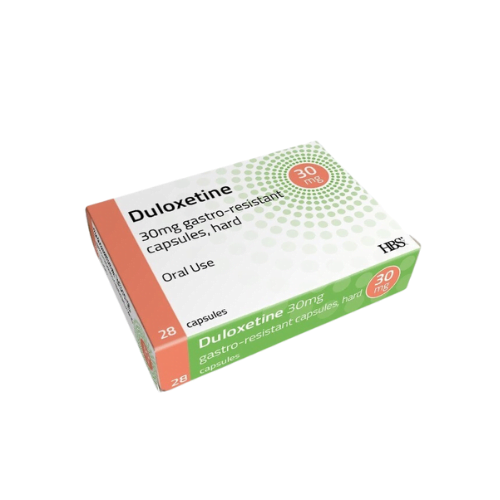
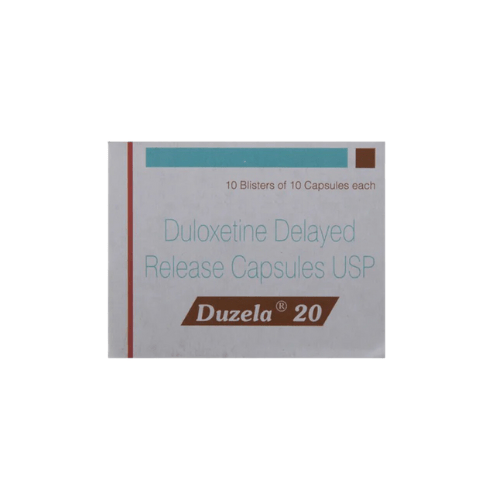
Book a telehealth visit to discuss Diabetic Neuropathy
Find a doctor
Speciality
State

Video Visit
$69

Video Visit
$69

Video Visit
$69

Video Visit
$69

Video Visit
$69

Video Visit
$69

Speciality: Dermatology, Family Medicine, Men's Health, Urgent Care, Women's health
Speaks: English, Spanish, French, Arabic, Portuguese
Video Visit
$69

Video Visit
$69

Video Visit
$69

Video Visit
$69

Video Visit
$69

Video Visit
$69
Frequently Asked Questions
What does this Diabetic Neuropathy category page include?
This page brings together listings and guidance connected to diabetes-related nerve symptoms. It may include prescription-only items, plus nonprescription supports, depending on availability. It also links to other diabetes complication collections for broader context. You can use it to compare key warnings, requirements, and common use notes. If a visit is needed, scheduling happens through Medispress telehealth.
Do all neuropathy-related options require a prescription?
No, requirements vary by item and by category section. Some options are prescription-only and require a valid clinician order. Pharmacies typically verify prescriptions and patient details before dispensing. Other options may be nonprescription and still include safety considerations. State regulations can also affect what can be dispensed or coordinated.
How can I prepare for a telehealth visit about nerve symptoms?
Gather a current medication list, including supplements and over-the-counter products. Write a brief symptom timeline, including triggers and what improves symptoms. Note any foot sores, balance issues, or new weakness for discussion. If comfortable, have clear photos ready for secure sharing. You can also bring recent glucose patterns, including lows and highs. This helps the clinician focus the visit and documentation.
What symptoms may need urgent evaluation rather than routine scheduling?
Some symptoms can signal problems needing faster assessment. Examples include new weakness, trouble walking, or sudden loss of function. Open foot sores, spreading redness, warmth, or drainage also raise concern. Fainting, chest pain, or severe dehydration with diabetes symptoms may require emergency services. If there is uncertainty, local urgent or emergency care may be appropriate.
Can Medispress be used without insurance?
Medispress can support cash-pay access, which often does not use insurance. Availability may vary based on the service, medication type, and state rules. Prescription-only items still require a clinician evaluation and a valid prescription. Partner pharmacies may have their own payment and verification steps. You can browse relevant pages and keep documents organized in one account.