


Diabetic Macular Edema
Care Options for Diabetic Macular Edema
This category page covers Diabetic Macular Edema for patients and caregivers. It focuses on practical definitions, common terms, and care pathways. DME is macular swelling linked to diabetes. It can affect central vision used for reading and driving.
People often see DME discussed alongside Diabetic Retinopathy. Both relate to blood vessel changes in the retina. This page also explains how clinicians describe severity and involvement. It also outlines typical ways DME is diagnosed and monitored.
Quick tip: Keep dates of eye visits and key results in one place.
Diabetic Macular Edema What You’ll Find
This browse page pulls together education and product-oriented topics tied to the condition. It helps readers understand what terms mean, before comparing options. It also explains why DME can happen in diabetes. Retinal blood vessels can leak fluid, which leads to swelling.
Many listings and resources reference diabetic macular edema symptoms like blurry central vision. Some people notice waviness, washed-out colors, or trouble recognizing faces. Others have no early symptoms, even with active swelling. That is why screening and imaging matter for many patients.
You will also see common diagnosis terms explained in plain language. OCT (optical coherence tomography) measures retinal thickness and swelling patterns. OCT angiography maps blood flow without dye, in some settings. Clinicians may describe center-involved DME versus non center involved DME.
Visits are by video with licensed U.S. clinicians.
- Plain-language definitions of common DME terms and test names
- Overviews of diabetic macular edema causes and risk factors for DME
- What clinicians look for in diabetic macular edema diagnosis and follow-up
- High-level diabetic macular edema treatment categories and questions to ask
- Related diabetes complication categories for broader context
How to Choose
Sorting DME information can feel overwhelming at first. For Diabetic Macular Edema, small details often change what gets recommended. This section highlights what to compare on a condition category page. It stays focused on planning and understanding, not self-treatment.
Details that change the plan
- Whether swelling involves the macular center or stays outside it
- How vision changes affect daily tasks like reading or driving
- Recent A1C trends, blood pressure history, and cholesterol management
- Past eye procedures, including focal grid laser DME or cataract surgery
- Pregnancy status and major medication changes, when relevant to clinicians
- Other diabetes complications that can affect overall care priorities
Terms to recognize while browsing
Many pages mention anti-VEGF injections for DME. Anti-VEGF medicines block signals that drive leaky vessel growth. They are usually given as intravitreal injections (medicine placed inside the eye). Some resources also discuss corticosteroid implants DME for selected cases.
Laser therapy for DME can mean focal laser for specific leaks. It can also mean grid patterns for broader areas, depending on findings. Clinicians may reference diabetic macular edema guidelines when discussing follow-up and options. The exact approach depends on imaging, vision testing, and prior response.
- OCT for macular edema: a scan that tracks swelling over time
- Visual acuity: letter-chart testing that measures sharpness
- Center-involved: swelling affects the fovea, the sharpest-vision point
- Non center involved: swelling spares the central fovea area
Safety and Use Notes
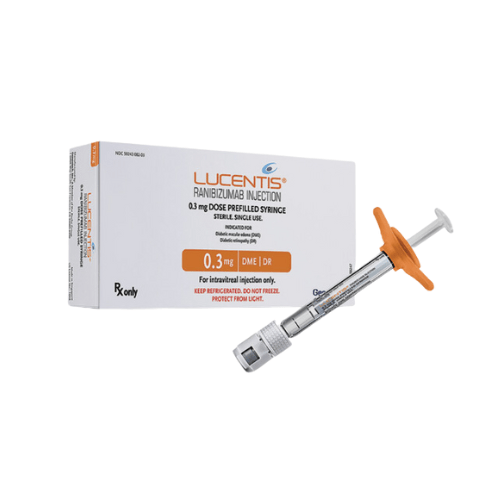
DME care often involves both diabetes management and eye-specialist treatment. In-office eye procedures carry specific risks and follow-up needs. Anti-VEGF medicines like aflibercept for DME, ranibizumab for DME, or bevacizumab for DME may be discussed. These are clinician-selected options, and not all are right for every case.
Some patients also hear about steroid-based approaches. Corticosteroids can raise eye pressure in some people. They can also increase cataract risk over time. Laser approaches can reduce leakage, but they still require careful targeting.
Appointments run in a secure app built for HIPAA privacy.
Common safety topics to understand before comparing options include these.
- Procedure setting and sterile technique requirements for eye injections
- Possible side effects that need prompt clinical assessment
- How often monitoring scans may be used, based on response
- Drug interaction reviews, especially with complex diabetes regimens
- Whether symptoms suggest another urgent eye condition
Sudden vision loss, severe eye pain, or new flashes can be urgent. The right response depends on the situation and clinician judgment. For patient-focused background, see this American Academy of Ophthalmology resource for diabetic eye disease basics.
Why it matters: Some vision changes need same-day evaluation, not routine follow-up.
Access and Prescription Requirements
Many DME treatments happen in an ophthalmology clinic, not at home. That includes intravitreal injections DME and laser procedures. Prescription rules still matter for any related medications. Pharmacies and clinicians must follow verification and state dispensing regulations.
Medispress supports telehealth visits when evaluation fits a video format. A licensed clinician reviews history and symptoms during the visit. Clinicians make medical decisions and document the plan. If clinically appropriate, prescriptions can be coordinated with partner pharmacies under state rules.
Some people use cash-pay options, often without insurance, for certain services. Availability and requirements can differ by state and medication. The category page helps set expectations before scheduling or filling anything.
- Valid prescription requirements for prescription-only medications
- Identity and medication-safety checks, when required by law
- Coordination with local eye care for imaging like OCT scans
- Records to keep handy, including prior OCT summaries and procedure dates
Related diabetes complication categories can also help with planning. Browse Diabetic Neuropathy for nerve symptom context. Review Diabetic Nephropathy for kidney-related terms that may appear in charts.
Related Resources
DME often sits within a bigger diabetes picture. Understanding glucose patterns can support better medical conversations. See Common Signs Of Hypoglycemia for low-glucose recognition basics. Review Warning Signs Of Hyperglycemia for high-glucose warning patterns.
Vision concerns can also overlap with general eye strain and dry eye symptoms. For supportive, non-medication ideas, read Improve Eyesight Naturally. For broader diabetes complication browsing, visit Diabetic Kidney Disease. For an overview of macular edema, see this National Eye Institute page on macular swelling.
This content is for informational purposes only and is not a substitute for professional medical advice.

Find suitable medication for Diabetic Macular Edema


Book a telehealth visit to discuss Diabetic Macular Edema
Find a doctor
Speciality
State

Video Visit
$69

Video Visit
$69

Video Visit
$69

Video Visit
$69

Video Visit
$69

Video Visit
$69

Speciality: Dermatology, Family Medicine, Men's Health, Urgent Care, Women's health
Speaks: English, Spanish, French, Arabic, Portuguese
Video Visit
$69

Video Visit
$69

Video Visit
$69

Video Visit
$69

Video Visit
$69

Video Visit
$69
Frequently Asked Questions
What is diabetic macular edema (DME)?
DME is swelling in the macula, the center of the retina. It is linked to diabetes-related blood vessel leakage. Swelling in this area can blur central vision and reduce contrast. Some people notice distortion or trouble reading. Others have few symptoms early on. Clinicians often discuss DME alongside diabetic retinopathy, since both involve retinal vessel changes. Diagnosis and monitoring usually rely on eye exams and retinal imaging.
How is DME diagnosed and monitored?
Clinicians diagnose DME using a dilated eye exam plus retinal imaging. OCT (optical coherence tomography) is commonly used to measure swelling. It can show whether swelling affects the macular center. Some clinics also use OCT angiography to assess blood flow patterns. Visual acuity testing helps track functional changes over time. Monitoring frequency depends on severity, symptoms, and response to any treatment. Eye specialists interpret results in the context of overall diabetes health.
What treatment options are used for DME?
Common DME treatment options include anti-VEGF medicines and laser approaches. Anti-VEGF therapy is often delivered as intravitreal injections (medicine placed inside the eye). Some patients may be considered for corticosteroid implants, depending on history and risks. Laser therapy may be described as focal or grid laser, based on leakage patterns. The best approach varies by imaging findings, vision effects, and prior response. An ophthalmology clinician weighs benefits, risks, and follow-up needs.
Can telehealth help with diabetic eye concerns?
Telehealth can help with education, symptom review, and care coordination. A clinician can review history and discuss whether urgent in-person eye evaluation is needed. Telehealth can also support related diabetes management discussions that affect eye health. However, DME diagnosis and treatment decisions typically require in-person eye exams and imaging. When appropriate, clinicians may coordinate prescription options through partner pharmacies, subject to state rules and verification requirements.
When should vision changes be treated as urgent?
Some eye symptoms can signal urgent problems, even in people with diabetes. Examples include sudden vision loss, severe eye pain, new flashes of light, or a curtain-like shadow. Rapid onset redness with light sensitivity can also be concerning. DME often causes gradual blur, but symptoms can overlap with other conditions. The safest approach is prompt clinical evaluation when symptoms are sudden or severe. An eye professional can determine the cause and the right next step.