


Cystic Fibrosis
Care Options for Cystic Fibrosis
This category page collects care and medication resources for Cystic Fibrosis. It supports patients and caregivers managing daily therapies and complex follow-ups. Browse options that clinicians may discuss for airway care, digestion support, and infection prevention. Listings may include prescription-only therapies, non-prescription supports, and condition education.
Each entry is meant to help comparison at a practical level. Look for details like route, dosing form, common handling needs, and refill steps. Some items require a prescription, while others do not. Clinical decisions still belong with a qualified clinician who knows history.
Cystic Fibrosis What You’ll Find
This browse page focuses on the kinds of treatments often used in CF care. That can include airway clearance techniques and inhaled therapies for cystic fibrosis lung disease. It can also include support for pancreatic insufficiency and cystic fibrosis digestive symptoms. Many people manage both respiratory and nutrition-related needs at the same time.
Some therapies target the CFTR protein (which regulates salt and water movement). These are often called CFTR modulators, and examples may include ivacaftor. Some combination products may also appear, such as elexacaftor tezacaftor ivacaftor. Availability depends on age, genotype, and clinician judgment.
Appointments run in a secure, HIPAA-compliant app.
When items appear on this page, the details help set expectations. They may note common refill cadence, prior authorization needs, or required counseling. They may also explain whether a product is used daily, intermittently, or during flares.
- Prescription therapies commonly used in CF care plans
- Supportive respiratory products and airway tools
- Digestive and nutrition supports, including enzyme-related items
- Background context on causes, symptoms, and common care pathways
- Administrative notes on refills, documentation, and pharmacy coordination
How to Choose
Choosing among options can feel overwhelming, especially with multiple daily therapies. It helps to frame choices around goals and practical fit, not just names. For Cystic Fibrosis, plans often combine lung, sinus, and digestive support. A clinician can help match options to the care plan at a visit.
Match the option to daily routines
Many treatments depend on consistent use and correct technique. Practical factors can shape adherence more than expected. That includes storage needs, device setup, and timing with meals. It also includes how many steps a regimen adds each day.
- Route and form, such as oral, inhaled, or nebulized delivery
- Device needs, including compressors, nebulizers, or spacers
- Storage constraints, such as refrigeration or light protection
- Fit with school, work, travel, and caregiver schedules
- History of chronic lung infections and prior medication tolerance
- Digestive support needs, including pancreatic enzyme replacement
- Considerations for cystic fibrosis fertility and pregnancy discussions
Prepare discussion points for a clinician
Bring an updated list of medications and supplements to each review. Note any allergies, prior side effects, and past adherence barriers. Ask how changes could affect airway clearance routines and nutrition plans. If reproductive health is part of planning, browse Women’s Health Wellness Guide for broader context.
Quick tip: Keep a current medication list ready before scheduling a visit.
Safety and Use Notes
CF care often includes several prescription categories at once. That raises questions about interactions, overlapping side effects, and monitoring needs. Some people also manage bronchiectasis (airway widening) and chronic lung infections. Clinicians may consider prior pseudomonas aeruginosa cystic fibrosis history when discussing antibiotic approaches.
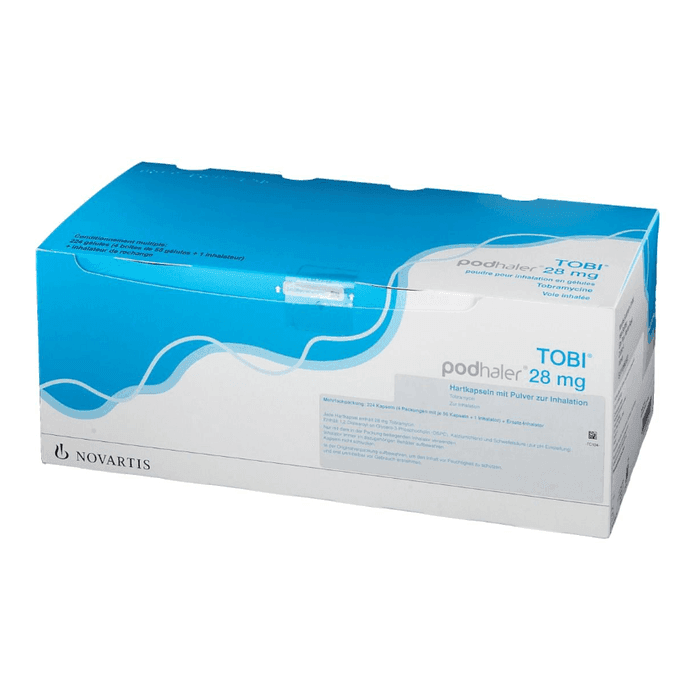
Cystic fibrosis treatment options can include inhaled antibiotics cystic fibrosis regimens. They can also include therapies that change mucus properties or reduce inflammation. Some options can stress the liver or kidneys in certain settings. That is one reason clinicians review full medication lists carefully.
Visits happen by video with licensed U.S. clinicians.
High-quality information helps families stay organized and safe. It also helps reduce confusion during refills and pharmacy transfers. For general context on kidney health, see Early Kidney Disease Symptoms, especially when discussing medication history.
- Medication interactions with antibiotics, antifungals, and seizure medicines
- Allergy history, including prior reactions to antibiotics
- Common side effects and when to request clinical review
- Device hygiene and replacement schedules for inhaled equipment
- Mental health strain and caregiver burnout risk over time
- Storage, disposal, and missed-dose documentation for complex regimens
Access and Prescription Requirements
Some therapies on this page require a prescription and licensed dispensing. Others may be available over the counter, depending on the item. If a prescription is needed, pharmacies typically verify the prescription and the patient information. That verification step helps support safe dispensing and accurate records.
For Cystic Fibrosis, prescription access can involve specialty fulfillment and additional documentation. Some patients use cash-pay options, often without insurance, for certain needs. Requirements can vary by medication class and state regulations. A clinician determines what is clinically appropriate after evaluating history.
When appropriate, clinicians can route prescriptions through partner pharmacies, per state rules.
Why it matters: Clear records can reduce delays during prescription verification.
Having key information ready can speed up administrative steps. It also helps prevent avoidable back-and-forth with pharmacies. If a therapy needs prior authorization, the timeline depends on the plan and documentation. This page aims to make those steps easier to anticipate.
- Current medication list, including inhaled therapies and supplements
- Allergies and prior adverse reactions
- Preferred pharmacy details and contact information
- Recent care-plan notes from a cystic fibrosis care center, if available
- Shipping address accuracy for items that require delivery
Related Resources
Living with Cystic Fibrosis affects more than one body system. People often track respiratory symptoms, nutrition, and life planning at once. For pregnancy-related wellness context, browse Prevent Gestational Diabetes, since some families navigate multiple risks. For a plain-language overview from NIH, review MedlinePlus Cystic Fibrosis.
Some readers also want guideline-level information and research updates. For care standards and community resources, visit Cystic Fibrosis Foundation. These sources can support informed conversations with clinicians. They also explain terms like CFTR gene mutation and CFTR modulators in plain language.
- Definitions for common CF terms and medication classes
- Care coordination tips across clinics, pharmacies, and schools
- Notes on cystic fibrosis research and clinical trials cystic fibrosis listings
- Support topics like cystic fibrosis mental health and caregiver strain
- Planning discussions such as genetic counseling cystic fibrosis considerations
This content is for informational purposes only and is not a substitute for professional medical advice.

Find suitable medication for Cystic Fibrosis

Book a telehealth visit to discuss Cystic Fibrosis
Find a doctor
Speciality
State

Video Visit
$69

Video Visit
$69

Video Visit
$69

Video Visit
$69

Video Visit
$69

Video Visit
$69

Speciality: Dermatology, Family Medicine, Men's Health, Urgent Care, Women's health
Speaks: English, Spanish, French, Arabic, Portuguese
Video Visit
$69

Video Visit
$69

Video Visit
$69

Video Visit
$69

Video Visit
$69

Video Visit
$69
Frequently Asked Questions
What does this Cystic Fibrosis category page include?
This page groups resources related to CF care and supportive therapies. It may include prescription-only options, non-prescription supports, and education links. Each listing typically highlights basic use details, route, and refill considerations. Some entries may reference common therapy classes, like inhaled antibiotics or CFTR modulators. The goal is to make browsing easier and reduce confusion. A licensed clinician still guides diagnosis and treatment decisions.
Do all cystic fibrosis medications require a prescription?
No. Some items discussed in CF care plans are prescription-only. Others may be available over the counter, depending on the product. Prescription status can also vary by formulation and state rules. Pharmacies generally require a valid prescription and identity verification for Rx items. A clinician decides whether a prescription therapy fits the situation. This page helps clarify which options are typically Rx versus non-Rx.
Can I use Medispress without insurance for CF-related needs?
Medispress can support cash-pay access for certain visits and prescription workflows. Some patients use these options without insurance, depending on their situation. A licensed U.S. clinician reviews history during a video visit. If a prescription is clinically appropriate, the clinician may coordinate options through partner pharmacies. Pharmacy and state regulations still apply. Coverage, prior authorizations, and final fulfillment rules depend on the medication and location.
How does telehealth work for long-term conditions like CF?
Telehealth can support administrative needs and some follow-up discussions. Visits typically happen by video within a secure, HIPAA-compliant app. A clinician reviews symptoms, medication history, and care goals. They may request documentation from prior care when helpful. If a prescription is needed and appropriate, the clinician can send it to a pharmacy partner. Some needs still require in-person testing or specialty center procedures.
Where can I find trusted information on CF guidelines and research?
Start with major medical organizations that publish updated resources. The Cystic Fibrosis Foundation provides care guidance, terminology, and community support. NIH MedlinePlus offers plain-language summaries and links to reputable sources. Academic medical centers may also publish clinic education pages. For research, look for registered trial listings and published study summaries. Use these resources to support informed conversations with a clinician, not self-treatment changes.