


Coronary Artery Disease
Care Options for Coronary Artery Disease
Coronary Artery Disease affects blood flow to the heart muscle. It often stems from atherosclerosis (plaque buildup in arteries) over time. Patients and caregivers can compare common terms, medication classes, and next-step questions.
Many people notice CAD symptoms like chest pressure or shortness of breath. Others first learn about it after stable angina (predictable exertional pain). Unstable angina (new or worsening pain) can signal higher myocardial infarction risk. Risk often rises with CAD risk factors like smoking, high blood pressure, and diabetes.
Why it matters: Clear definitions help families talk with clinicians and pharmacists more easily.
Video visits are available with licensed U.S. clinicians in a HIPAA-secure app.
When browsing, look for plain-language summaries and careful safety notes. Details can support conversations about cholesterol management and blood pressure control.
Coronary Artery Disease: What You’ll Find
This collection brings together condition-aligned resources and medication-related pages in one place. It is built for practical browsing, not self-treatment decisions. Many listings use everyday language alongside clinical terms like ischemic heart disease.
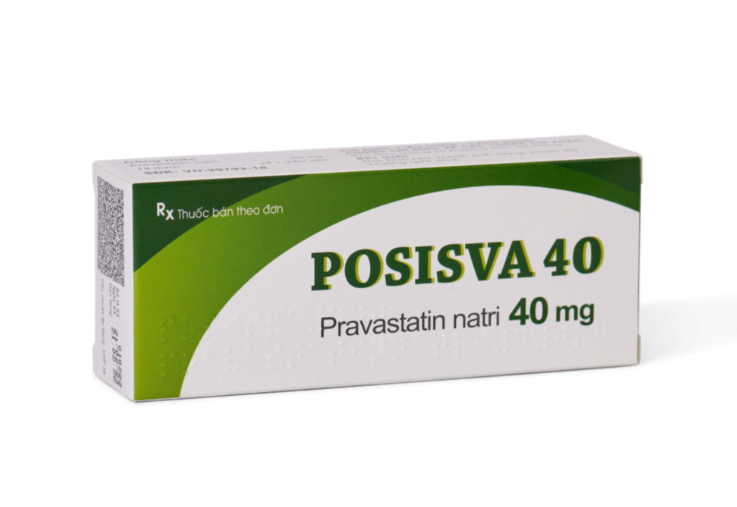
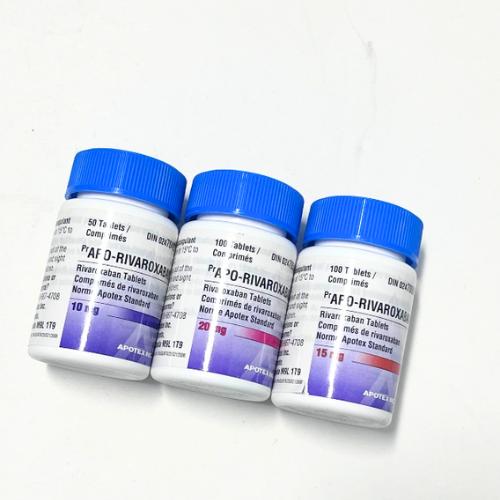
Listings on this page may cover medicines used for symptom control and risk reduction. Examples include statins for CAD, beta blockers for heart disease, and antiplatelet therapy. Some resources also explain procedures like coronary stent placement or coronary angioplasty. Others summarize coronary artery bypass grafting as a pathway for advanced disease.
Each listing can highlight what a medicine is for and key precautions to review. Pages may also include administrative details, like prescription requirements and typical documentation. That structure helps caregivers keep information consistent across visits and pharmacies.
Many people also look for lifestyle changes for heart health that support care plans. Topics may include a heart healthy diet, exercise for heart disease, and smoking cessation heart disease. These sections usually focus on general principles and common questions.
- Plain-language definitions for angina, ischemia, and atherosclerosis
- Medication categories linked to cholesterol management and symptom relief
- Condition context for preventive cardiology and long-term risk planning
- Caregiver-friendly heart disease education and organizing tools
- Administrative notes about prescriptions, refills, and verification steps
How to Choose
Different pages support different goals, like learning terminology or comparing medication classes. For Coronary Artery Disease, the most useful pages often connect symptoms, risks, and options. A good starting point is separating “urgent symptoms” from “ongoing control” topics.
Browsing works best when the comparison points stay consistent across listings. That may include how a medication class works, common cautions, and what monitoring is discussed. It also helps to note whether a page focuses on stable angina versus higher-risk patterns.
Information to gather before comparing
- A current medication list, including over-the-counter items and supplements
- Key diagnoses that affect choices, including diabetes and CAD together
- Recent blood pressure readings, if available from home or a clinic
- Any history of bleeding problems, ulcers, or easy bruising
- Past procedures, such as a coronary stent or bypass surgery
- Allergy history and any prior medication intolerance notes
What to look for in a listing
- Clear labeling of medication class, like antiplatelet therapy or beta blockers
- Balanced explanations of benefits and risks without overpromising outcomes
- Practical cautions about interactions, alcohol use, and missed doses
- Notes that distinguish symptom control from risk reduction strategies
- References to preventive cardiology concepts and follow-up planning
Quick tip: Save the medication list in the account profile for faster checkout.
When scheduling a visit, patients often bring questions about “what changed” and “what to watch.” Caregivers may also ask how to track episodes of chest discomfort. That can make follow-up conversations more focused and less stressful.
Safety and Use Notes
Coronary Artery Disease care often includes long-term medicines plus symptom-focused options. Safety information can feel dense, so it helps to read by category. People can then spot which cautions relate to bleeding, heart rate, or blood pressure.
Clinicians decide what care is appropriate after reviewing symptoms and history.
Some symptoms need urgent evaluation, even when a plan already exists. Sudden chest pressure, fainting, severe shortness of breath, or one-sided weakness can be emergencies. Public guidance from the American Heart Association heart-attack resources explains warning signs in plain language.
Medication pages commonly include high-level cautions like these, which vary by person. These notes support safer conversations with a clinician or pharmacist. They do not replace individualized medical advice.
- Antiplatelet therapy can raise bleeding risk, especially with certain pain relievers
- Statins may cause muscle symptoms that warrant timely clinical review
- Beta blockers can lower heart rate and may affect asthma symptoms
- Nitrate medicines can interact with erectile dysfunction drugs and cause low blood pressure
- Blood pressure control plans may need adjustments when dehydration or illness occurs
- Diabetes medicines and heart medicines can interact through kidney or liver effects
Some resources also describe “red flags” for unstable angina and myocardial infarction risk. Others explain how plaque buildup in arteries can progress without symptoms. Reading those sections can help families stay alert to changes.
Access and Prescription Requirements
Many medicines used in Coronary Artery Disease require a valid prescription. Pharmacies typically verify the prescription details before dispensing. Some listings also describe common refill rules and identity checks.
Medispress supports telehealth visits through a secure app when appropriate. Some people use cash-pay options, including without insurance, depending on needs. Any medication decision still depends on a clinician’s assessment and state rules.
When clinically appropriate, providers can route prescriptions to partner pharmacies under state regulations.
Administrative steps often go more smoothly when key information is ready. This can reduce delays caused by missing history or unclear medication lists. It can also help pharmacies confirm the intended product and directions.
- Full legal name and date of birth for prescription matching
- Known allergies and past medication reactions, if any
- Current medication list, including antiplatelets and blood pressure medicines
- Preferred pharmacy details when multiple locations are available
- Recent procedure history, such as angioplasty or bypass surgery
- Any prior diagnosis notes related to stable or unstable angina patterns
Some medications have extra safeguards due to interaction or bleeding concerns. In those cases, listings may explain why pharmacists ask follow-up questions. That is a routine safety step in licensed dispensing workflows.
Related Resources
Some people also browse closely related cardiovascular topics alongside Coronary Artery Disease. For symptom clusters that involve sudden changes, the Acute Coronary Syndrome collection can offer helpful context. For broader navigation across heart topics, the Coronary Care Collection page may be a useful next stop.
For medication class terminology, including common “blood thinner” language, see Top 10 Blood Thinners Guide. For a government-reviewed overview of causes and prevention concepts, a neutral reference is MedlinePlus coronary artery disease.
This content is for informational purposes only and is not a substitute for professional medical advice.

Find suitable medication for Coronary Artery Disease

Book a telehealth visit to discuss Coronary Artery Disease
Find a doctor
Speciality
State

Video Visit
$69

Video Visit
$69

Video Visit
$69

Video Visit
$69

Video Visit
$69

Video Visit
$69

Speciality: Dermatology, Family Medicine, Men's Health, Urgent Care, Women's health
Speaks: English, Spanish, French, Arabic, Portuguese
Video Visit
$69

Video Visit
$69

Video Visit
$69

Video Visit
$69

Video Visit
$69

Video Visit
$69
Frequently Asked Questions
What does this category page include?
This browse page groups coronary artery disease-related listings in one place. Items may include medication class overviews, condition terminology, and practical safety notes. Some pages focus on long-term risk reduction, like cholesterol and blood pressure topics. Others cover symptom patterns, such as stable versus unstable angina. Availability and prescription requirements can vary by item. The page is meant to support informed browsing and better conversations with clinicians.
What information helps when comparing medication topics for CAD?
A few details make comparisons clearer across pages and listings. A current medication list helps identify interaction and duplication risks. It also helps to note key conditions that change risk, including diabetes or kidney disease. Many people track symptom patterns, like exertional chest pressure or new symptoms at rest. Procedure history, such as a stent or bypass, can change the context. These details support safer clinician review and pharmacy verification.
How is coronary artery disease diagnosed?
Coronary artery disease diagnosis usually combines symptoms, history, physical exam, and risk evaluation. Clinicians often review blood pressure, cholesterol history, diabetes status, and smoking history. They may also consider family history and prior heart events. Testing choices depend on the situation and local care pathways. This category page does not provide diagnostic decisions. It can help patients and caregivers learn key terms and organize questions for a visit.
When should chest pain be treated as an emergency?
Chest pain can have many causes, but some patterns need urgent evaluation. Sudden pressure, squeezing discomfort, or pain with shortness of breath can be concerning. Fainting, sweating, nausea, or new weakness can also signal an emergency. If symptoms feel severe, new, or rapidly worsening, emergency services are often the safest route. Public resources from major heart organizations explain warning signs in plain language. A clinician should assess individual risk and next steps.
How do prescription verification and partner pharmacies work?
When a prescription medicine is involved, pharmacies typically verify the prescription and patient details. That can include confirming name, date of birth, allergies, and the prescriber’s information. Verification helps prevent dispensing errors and reduces harmful interactions. Depending on the situation, a provider may coordinate prescription options through partner pharmacies, subject to state regulations. Dispensing is handled by licensed pharmacies, and pharmacists may ask follow-up questions as a routine safety step.