


Coronary
Coronary Care Options and Resources
This category page gathers Coronary topics that often come up during heart-care planning. It is written for patients and caregivers who want clarity. It also supports simple browsing across related conditions and resources. Some people start with coronary artery disease, while others see terms like stable angina or acute coronary syndrome. This page helps connect those labels to practical next questions. It also explains how prescriptions and documentation often work for heart medicines. Content here stays high level and non-prescriptive. It is not a substitute for clinical evaluation.
Coronary What You’ll Find
Browse condition-aligned collections that relate to ischemic heart disease (reduced blood flow to the heart). Terms may include stable angina, unstable angina, myocardial infarction (heart attack), and acute coronary syndrome. These words can describe different risk levels and care settings. Some topics focus on prevention of coronary disease and risk reduction basics. Others focus on common medication categories used in long-term management.
Listings and resources may help compare administrative details. Examples include whether an item needs a prescription, typical documentation needs, and common safety warnings. Some pages also explain language used in cardiology notes, like coronary arteries or prior coronary stent placement. The goal is faster orientation and less confusion while browsing.
- Condition pages that group relevant products and education
- Plain-language explanations of common heart terms
- Navigation to related topics, like cholesterol and heart disease
- General access notes for prescriptions and refills
Medispress visits can happen by secure video in a HIPAA-compliant app.
How to Choose
Use this checklist to compare resources and listings with less guesswork. Coronary terms can look similar, but they often imply different urgency. The right page depends on whether the goal is background learning, medication logistics, or follow-up planning after a hospitalization.
Match the page to the situation
- Look for “coronary artery disease” when the focus is long-term plaque buildup.
- Look for “acute coronary syndrome” when reviewing recent emergency care terms.
- Note angina wording, since stable and unstable angina differ in context.
- Check for related risk topics, like hypertension and coronary disease.
Compare practical details without guessing
- Scan for prescription status and any age or identity verification requirements.
- Review safety sections for interactions and “do not use” scenarios.
- Collect key history points to discuss with a clinician, not this page.
- Prefer resources that define terms in both medical and plain language.
Quick tip: Keep a current medication list ready when browsing and scheduling.
Safety and Use Notes
Heart-related medicines can have important interactions and monitoring needs. Many are used alongside treatment for cholesterol and heart disease. Others relate to blood pressure control, which links to coronary risk factors. Some people also take blood thinners (anticoagulants or antiplatelets) to lower clot risk. A clinician should confirm which category fits a specific history.
Watch for safety language tied to bleeding risk, kidney or liver disease, or pregnancy. Also note common “do not stop suddenly” warnings on some cardiac medications. Emergency symptoms need urgent, in-person evaluation, even if telehealth is available. Heart attack symptoms can include chest pressure, shortness of breath, or sudden sweating.
- Check for interaction warnings, including over-the-counter products and supplements.
- Confirm whether the resource covers prevention versus post-event follow-up.
- Use definitions to understand terms like cardiac rehabilitation (supervised recovery program).
- Do not use online content to interpret personal test results or new symptoms.
Why it matters: Some symptoms signal emergencies and should not wait for messaging.
Licensed U.S. clinicians review history details and make all clinical decisions.
Access and Prescription Requirements
Many medicines associated with coronary artery disease require a valid prescription. Pharmacies typically verify prescriptions before dispensing. Some items may also require identity checks or additional documentation, depending on medication rules. If a product or topic suggests ongoing management, a clinician may want recent records. That can include discharge summaries or a current medication list.
Telehealth can support medication reviews and care coordination when appropriate. Medispress connects patients with licensed U.S. clinicians through video visits. When clinically appropriate, providers may coordinate prescription options through partner pharmacies, subject to state regulations. Cash-pay options are available in many cases, often without insurance.
- Have the medication name, strength, and directions from the prescription label.
- Note allergies, past side effects, and current conditions for the visit intake.
- Share the preferred local pharmacy details if coordination is needed.
- Expect prescription verification and standard dispensing safeguards where required.
Related Resources
For closely related browsing, start with the condition collections for Coronary Artery Disease and Acute Coronary Syndrome. For medication context, see Top 10 Blood Thinners to understand common terms and categories. For symptom overviews, use an authoritative reference when reviewing coronary events. For example, see the American Heart Association heart attack overview. For a public-health summary, review the CDC heart attack information page.
Coronary care often involves several steps and several clinicians. This browse page keeps the language consistent across related topics. It also helps track terms that appear in visit notes, such as coronary bypass surgery, CABG (coronary artery bypass grafting), or percutaneous coronary intervention (PCI). Use these resources to stay organized and ready for clinical conversations.
This content is for informational purposes only and is not a substitute for professional medical advice.

Find suitable medication for Coronary
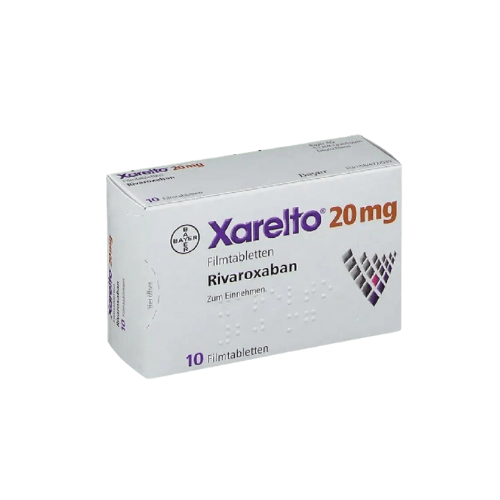
Book a telehealth visit to discuss Coronary
Find a doctor
Speciality
State

Video Visit
$69

Video Visit
$69

Video Visit
$69

Video Visit
$69

Video Visit
$69

Video Visit
$69

Speciality: Dermatology, Family Medicine, Men's Health, Urgent Care, Women's health
Speaks: English, Spanish, French, Arabic, Portuguese
Video Visit
$69

Video Visit
$69

Video Visit
$69

Video Visit
$69

Video Visit
$69

Video Visit
$69
Frequently Asked Questions
What does this Coronary category page include?
This page groups related condition collections and educational resources. It covers common terms tied to heart blood-flow problems. Examples include coronary artery disease, angina, and acute coronary syndrome. It may also link to medication-topic reading, like blood thinner categories. The focus stays on navigation and terminology. It does not diagnose conditions or recommend specific treatments. Use it to find the right place to read next.
How is coronary artery disease different from acute coronary syndrome?
Coronary artery disease usually describes long-term narrowing from plaque buildup. Acute coronary syndrome describes a sudden change in blood flow. It often relates to urgent care situations and hospital terms. Both can involve chest pain, but context matters. Many people see these labels in discharge paperwork. This browse page helps connect the terms to clearer definitions. A clinician can confirm what a label means for one person.
Can telehealth visits address medication questions for coronary conditions?
Telehealth can support medication reviews and documentation needs in some cases. A licensed clinician reviews the history and current medication list first. They decide what is appropriate and safe to address remotely. Some situations still need in-person evaluation or urgent care. If a prescription is clinically appropriate, a provider may coordinate options through pharmacy partners. Rules vary by state and medication type.
What information helps with a prescription review or refill request?
Accurate details reduce delays and confusion. Have the medication name, strength, and directions from the label. Include the prescriber name if it appears on the bottle. A current medication list helps spot interactions and duplicates. Note allergies and prior side effects. If there was a recent hospital stay, a discharge medication list can be useful. Pharmacies still verify prescriptions before dispensing when required.
When should heart attack symptoms be treated as an emergency?
Some symptoms need immediate emergency evaluation. Common warning signs include chest pressure, pain spreading to the arm or jaw, shortness of breath, or sudden sweating. Nausea, lightheadedness, and unusual fatigue can also occur. Symptoms can look different across people and ages. When symptoms suggest a possible heart attack, call emergency services right away. Online resources can explain terms, but they cannot rule out emergencies.