


Corneal Ulcer
Care Options for Corneal Ulcer
Eye surface problems can affect comfort and vision very quickly. Corneal Ulcer describes an open sore on the cornea, the clear front layer.
This category page supports practical browsing for patients and caregivers. It brings together condition-aligned options and plain-language education, without replacing an in-person eye exam.
Common corneal ulcer symptoms include red eye, corneal ulcer pain, tearing, and blurry vision. Many people also notice corneal ulcer photophobia and corneal ulcer discharge. These corneal ulcer signs can overlap with allergies or dry eye, but the risks differ.
Why it matters: Delays can increase the chance of a lasting corneal ulcer scar.
Medispress telehealth visits connect patients with licensed U.S. clinicians by video.
Many ulcers relate to infectious keratitis (infection of the cornea). Risk often rises with contact lenses, eye injury, or immune issues. This browse page focuses on orientation, terminology, and access steps.
Corneal Ulcer: What You’ll Find
This collection focuses on how corneal sores are evaluated and managed. It highlights what clinicians consider when they sort causes and urgency. It also explains how prescription status can shape next steps.
Several causes can look similar at first. A bacterial corneal ulcer often presents differently than fungal corneal ulcer patterns. Viral corneal ulcer cases can also mimic other irritation, especially early. Acanthamoeba keratitis (a rare waterborne parasite infection) is uncommon, but serious.
When browsing, details often matter more than brand names. Listings and summaries may note drug class, dosage form, and key warnings. Some pages also cover common exam findings used in corneal ulcer diagnosis.
- Plain-language explanations of symptoms and red-flag signs
- Common corneal ulcer causes and corneal ulcer risk factors
- High-level corneal ulcer treatment pathways and typical care settings
- Notes on prescription status and pharmacy verification where required
- Basics of corneal ulcer prevention and contact lens hygiene
- Links to related vision and eye-surface topics
How to Choose
Choices usually start with clarity about what is being treated. A clinician may sort problems into infection, inflammation, or injury. That framing guides which options even belong on the list.
- Likely cause category based on history and exam findings
- Whether contact lenses are involved, including overnight wear
- Severity markers, including vision change and central cornea involvement
- Medication form needs, like drops versus ointment considerations
- Allergy history, especially to preservatives or prior antibiotics
- Age and caregiving needs, including pediatric support for dosing help
- Other eye conditions, like dry eye or prior surgery
- Ability to follow follow-up plans, including rechecks when needed
Questions to bring to a visit
Good questions improve shared understanding and reduce missed details. They also help separate corneal abrasion vs corneal ulcer concerns. People often mix these up because both can hurt.
- What findings support the working diagnosis?
- Is the pattern more consistent with bacterial, viral, or fungal infection?
- Are any corneal ulcer diagnostic tests needed based on risk?
- What warning signs should prompt urgent reassessment?
If contact lenses are involved
A contact lens related corneal ulcer can progress faster than expected. Lens wear also raises concern for certain organisms. Case care and water exposure history often matter.
Corneal Ulcer discussions often include lens routines, solution type, and water contact. These details can affect how clinicians assess risk and urgency.
Safety and Use Notes
Eye pain with light sensitivity deserves careful attention. Because Corneal Ulcer complications can include scarring, some cases need urgent evaluation. This is especially true when vision changes quickly.
Appointments run in the secure, HIPAA-compliant Medispress mobile app.
Safety topics vary by cause and by medication type. For example, corneal ulcer antibiotics are prescription medications in many cases. Other regimens may use antivirals or antifungals, depending on findings.
- Severe pain, marked photophobia, or sudden vision loss can signal an emergency
- Thick discharge, a white spot on the cornea, or worsening redness needs prompt review
- Children may not describe symptoms clearly, so behavior changes can matter
- Medication mix-ups can happen when multiple drops are used on a schedule
- Do not share eye drops between people, even within a household
- Contact lenses are often paused during care, based on clinician direction
- Healing time varies widely, so follow-up timing can change
Quick tip: Keep contact lens cases clean and replace them regularly.
Corneal ulcer prevention often starts with basics that reduce exposure. Handwashing and lens hygiene support corneal ulcer preventive hygiene efforts. Clinicians may also discuss sleep, dryness, and eye rubbing habits.
Access and Prescription Requirements
Many prescription options for Corneal Ulcer care require a valid clinician-issued prescription. Pharmacies commonly verify prescriptions before dispensing. Some items in this collection may be informational only.
When browsing on Medispress, filters can help narrow options by category. Pages may also note common restrictions, like age limits or allergy warnings. Administrative steps can differ by state and medication type.
- Prescription-only items require clinician review and approval
- Identity and prescription details may be checked for safety
- Some care requires in-person eye evaluation, not telehealth alone
- Cash-pay access may be available, often without insurance
- Refills and repeats may need reassessment, based on clinical context
Related Resources
Eye symptoms can overlap across several conditions. For broader context on vision changes, read Blurred Vision Causes. For surface irritation and comfort strategies, see Dry Eye Treatment Options.
Clinicians may coordinate prescriptions with partner pharmacies, depending on state rules.
For a general overview, see the American Academy of Ophthalmology guidance. For contact lens hygiene basics, review CDC information on keratitis.
This content is for informational purposes only and is not a substitute for professional medical advice.

Find suitable medication for Corneal Ulcer
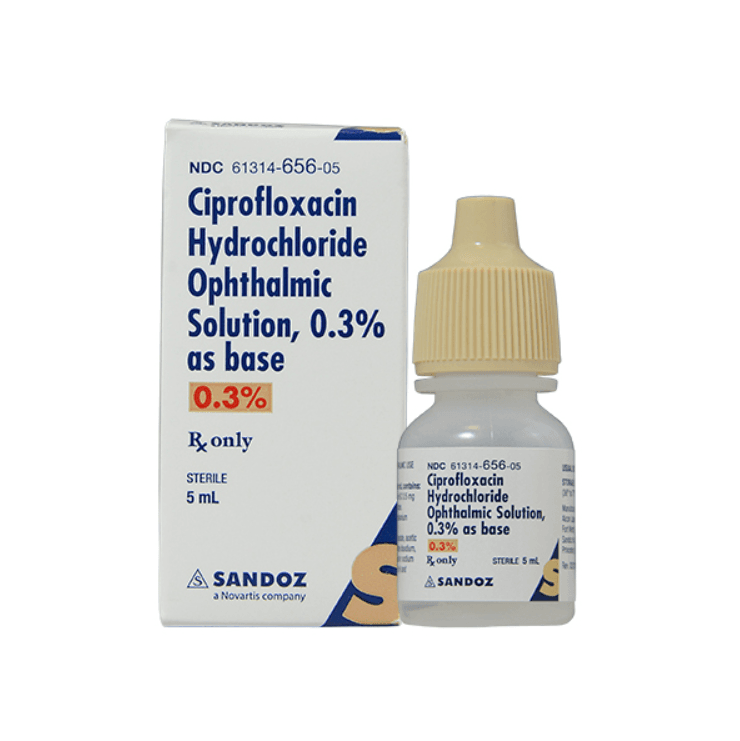
Book a telehealth visit to discuss Corneal Ulcer
Find a doctor
Speciality
State

Video Visit
$69

Video Visit
$69

Video Visit
$69

Video Visit
$69

Video Visit
$69

Video Visit
$69

Speciality: Dermatology, Family Medicine, Men's Health, Urgent Care, Women's health
Speaks: English, Spanish, French, Arabic, Portuguese
Video Visit
$69

Video Visit
$69

Video Visit
$69

Video Visit
$69

Video Visit
$69

Video Visit
$69
Frequently Asked Questions
What can be found on this Corneal Ulcer category page?
This browse page groups condition-related options and supporting education. It may include prescription-only items, plus general safety and access notes. It also uses plain terms for symptoms, causes, and typical care pathways. When browsing, you can compare key details like prescription status and common warnings. The page is not a diagnosis tool. A licensed clinician decides what is clinically appropriate.
Do antibiotic eye drops require a prescription?
Many antibiotic eye drops are prescription medications. Requirements depend on the drug and state regulations. A dispensing pharmacy typically verifies a valid prescription before filling it. Some supportive products, like lubricating drops, may be non-prescription, but they do not treat infection. A clinician determines whether an antimicrobial is needed and which type fits the suspected cause. Labels and instructions should be followed exactly as provided.
How can listings be compared when browsing options?
Comparisons work best when focusing on practical fields. Look for medication class, dosage form, and whether the product is prescription-only. Check for allergy cautions and preservative notes if sensitivity is known. Storage requirements can matter, especially for travel or shared caregiving. Also review any age-related restrictions. If questions remain, a clinician can clarify which attributes matter for the specific diagnosis and risk factors.
When is a corneal ulcer an emergency?
Some symptoms can signal urgent risk to vision. These include severe eye pain, rapid vision change, strong light sensitivity, or a visible white spot. Thick discharge, significant swelling, or worsening redness can also be concerning. Risk can be higher with contact lens use, eye injury, or immune suppression. In children, refusal to open the eye or persistent tearing can be important. These situations often warrant urgent evaluation by an eye professional.
What is the difference between a corneal abrasion and a corneal ulcer?
A corneal abrasion is a scratch on the corneal surface. A corneal ulcer is usually a deeper sore and often involves infection. Both can cause pain, tearing, and light sensitivity, so symptoms can overlap. Clinicians distinguish them using an eye exam and surface staining. The difference matters because ulcers can lead to scarring and other complications. The safest approach is prompt assessment when pain or vision change occurs.
How long does healing take, and what complications matter?
Healing time varies widely and depends on cause and severity. Bacterial, viral, fungal, and parasite-related ulcers can behave differently. Delayed care can raise the risk of complications like scarring, thinning, or lasting vision changes. Follow-up helps clinicians confirm that the cornea is improving as expected. People may also need monitoring for dry eye or irritation during recovery. A clinician can explain expected milestones for the specific case.