


Contraception
Contraception Care Options and Birth Control Resources
Choosing a birth control method can feel surprisingly complex. Contraception includes many options that work in different ways. This category page helps patients and caregivers compare common methods and key terms. It also explains what usually happens during contraceptive counseling and follow-up.
Licensed U.S. clinicians handle telehealth visits by video. That can make it easier to review options and ask practical questions. People often want clarity on routines, side effects, and refill timing. This page focuses on those everyday details and reliable sources.
Quick tip: Keep a list of current medicines and supplements for intake forms.
Contraception What You’ll Find
This collection brings together resources that support browsing and comparison. It covers everyday birth control methods, plus common questions about fit. You will see terms like hormonal contraception and non hormonal birth control. You will also find plain-language summaries that explain what each method is.
Many people compare long acting reversible contraception, daily options, and “as needed” choices. This page helps organize those categories without pushing one method. It also highlights common topics to discuss with a clinician. Those topics include bleeding changes, migraines, and medication interactions.
For broader reproductive health education, see Womens Health Wellness Guide.
- Method overviews, including pill, patch, ring, shot, implant, and IUD birth control
- Side effect themes people often ask about during counseling
- Emergency contraception basics, including morning after pill terminology
- Administrative notes about prescriptions, refills, and documentation
- Links to related women’s health topics for additional context
How to Choose
Many people start by listing what matters most day to day. Contraception choices often depend on schedule, comfort, and medical history. This section offers non-clinical comparison points for browsing. A clinician can help interpret which factors matter medically.
Match the method to your routine
- Frequency: daily, weekly, monthly, or every few months
- Set-and-forget: long acting reversible contraception may reduce daily tasks
- Privacy: some methods are visible, while others are not
- Control: some options can be started or stopped more easily
- Planning: consider postpartum contraception and future fertility goals
Look for the details that drive real decisions
- Hormone type: progestin-only versus combined methods may matter clinically
- Non-hormonal choices: copper IUD vs hormonal IUD comparisons focus on mechanism
- Bleeding pattern changes: note what is common versus concerning
- Side effects: track what has happened with past methods
- STI protection and contraception: condoms help reduce STI risk
Life stage can shape what questions come up in visits. Students may prioritize convenience and privacy during busy semesters. For that context, read Telehealth For College Students. After pregnancy, people often focus on timing and recovery during the “fourth trimester.”
Safety and Use Notes
Most methods have tradeoffs, and “best” looks different for each person. Contraception can also interact with health conditions, including migraine patterns. This section highlights common safety themes to raise in a visit. It is not a substitute for personalized medical guidance.
The app is HIPAA-compliant and built for private visits. That matters when sharing sensitive health details. It also helps keep records organized across follow-ups. Always use the official label when details feel unclear.
- Emergency contraception is not the same as ongoing birth control
- Some medicines can affect hormonal contraception, so lists matter
- Side effects may be mild, but severe symptoms need urgent care
- Condoms can support STI protection, even with another method
- Teens may need extra time for questions and consent basics
For basic method descriptions, see the CDC contraception overview. For emergency contraception labeling, review the FDA emergency contraception page.
If migraines are part of the history, it helps to track triggers. That information can guide safer conversations with a clinician. See Treat A Migraine At Home for general coping strategies.
Why it matters: Clear symptom timelines help clinicians assess risk more accurately.
Access and Prescription Requirements
Some methods require a prescription, while others do not. Contraception access may also vary by state rules and pharmacy policies. This page focuses on the administrative side of getting started and staying consistent. It also explains why verification steps sometimes feel detailed.
When appropriate, clinicians can coordinate prescriptions through partner pharmacies, based on state rules. Pharmacies may require identity and address confirmation before dispensing. Some people use cash-pay options, often without insurance, depending on availability. Availability and fulfillment rules can change, so check details during checkout.
- Health history questions, including allergies and current medications
- Preferred pharmacy details, if a prescription is clinically appropriate
- Contact information for follow-up and refill coordination
- Basic documentation checks required for prescription verification
- Notes about timing for renewals, especially around travel or campus moves
After delivery, schedules and priorities can shift quickly. For practical context on postpartum care planning, read Telehealth In The Fourth Trimester. It covers common reasons people choose virtual visits during recovery.
Related Resources
If browsing feels overwhelming, start with one comparison goal. Contraception research often gets easier when terms feel familiar. This collection supports that learning curve with plain-language explanations. It also connects broader women’s health topics that commonly overlap with birth control decisions.
- Compare birth control options by routine, hormones, and comfort level
- Learn common terms like LARC, progestin-only, and emergency contraception
- Review questions to bring to a clinician, without self-diagnosing
- Understand cash-pay access, including options without insurance in some cases
This content is for informational purposes only and is not a substitute for professional medical advice.

Find suitable medication for Contraception

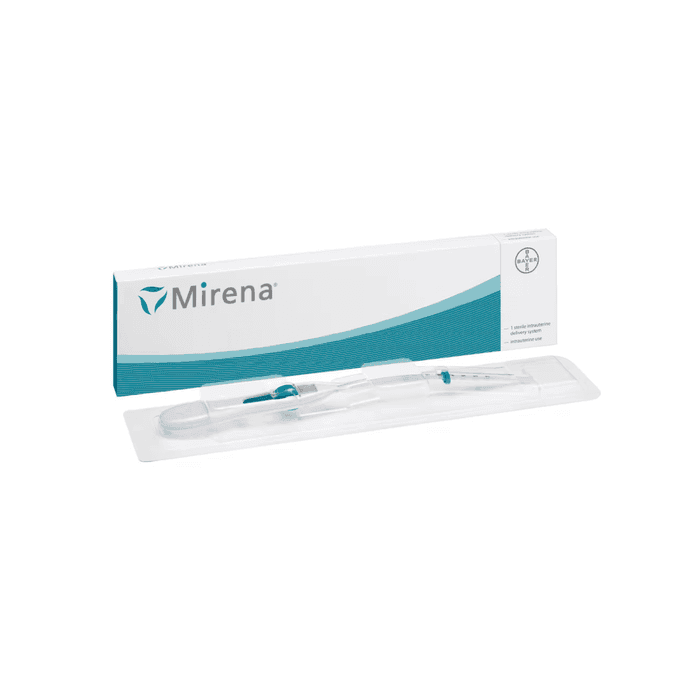
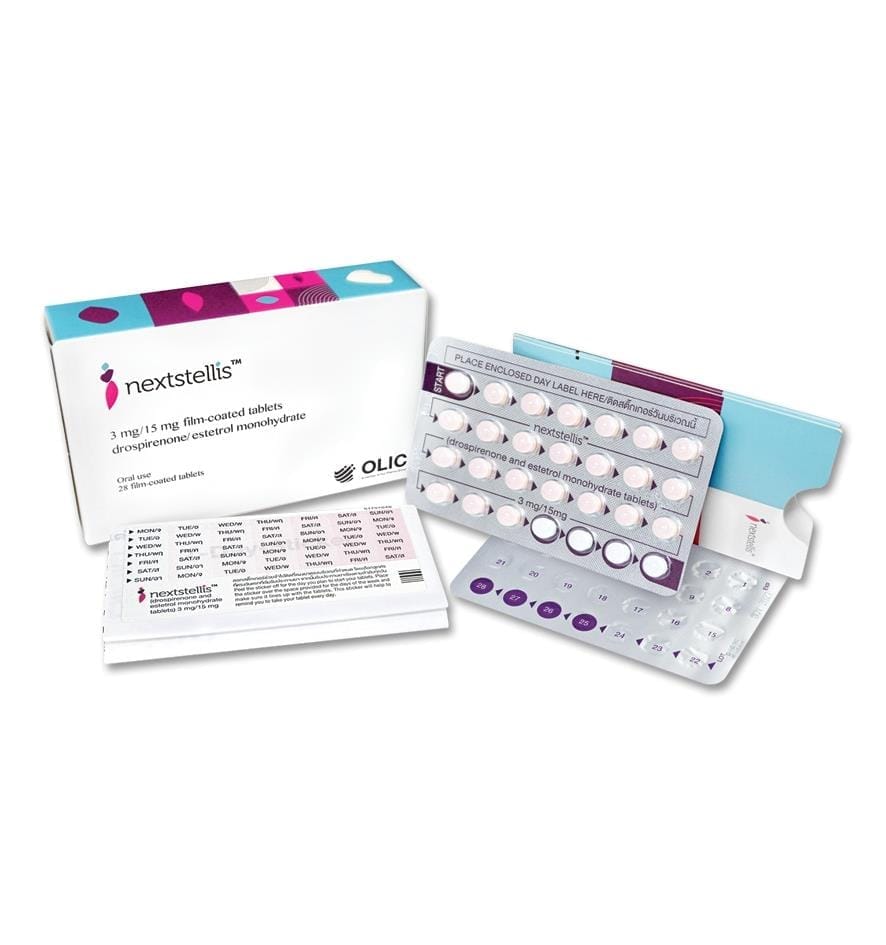



Book a telehealth visit to discuss Contraception
Find a doctor
Speciality
State

Video Visit
$69

Video Visit
$69

Video Visit
$69

Video Visit
$69

Video Visit
$69

Video Visit
$69

Speciality: Dermatology, Family Medicine, Men's Health, Urgent Care, Women's health
Speaks: English, Spanish, French, Arabic, Portuguese
Video Visit
$69

Video Visit
$69

Video Visit
$69

Video Visit
$69

Video Visit
$69

Video Visit
$69
Frequently Asked Questions
What birth control methods are covered on this page?
This category page focuses on common birth control methods and the terms people see most. It includes short summaries of options like the contraceptive pill, birth control patch, birth control ring, birth control shot, birth control implant, and IUD birth control. It also covers emergency contraception basics and common comparison themes. The goal is to make browsing easier and reduce confusion. A licensed clinician should review medical history before recommending a method.
Can telehealth help with birth control refills or starting a method?
Telehealth can support contraceptive counseling, refills, and some new starts, depending on clinical fit and state rules. Visits usually focus on medical history, current medications, and what has worked before. A clinician makes all prescribing decisions and may request follow-up information. When clinically appropriate, prescriptions can be coordinated through partner pharmacies. Some methods may still require in-person services, such as certain procedures or exams.
What information is usually needed for a contraception visit?
Most visits require basic health history details and a current medication list. People often share allergies, past side effects, and any conditions that may affect safety. It also helps to note recent pregnancies, postpartum status, or future fertility goals. Some platforms may ask for identity and address checks for prescription verification. If a prescription is appropriate, pharmacy information may be collected for coordination and dispensing.
How can I compare side effects without guessing?
It helps to separate what is common from what needs urgent evaluation. Product labeling and reputable public health sources can clarify typical side effects. A clinician can also explain which symptoms may relate to hormones, timing, or other conditions. Keeping a simple symptom timeline can improve accuracy in follow-ups. Avoid relying on single anecdotes online, since experiences vary widely. Use the official label when specific risks or interactions matter.
What should I know about emergency contraception terms like Plan B and ella?
Emergency contraception is meant for specific situations and is not ongoing birth control. Different products use different active ingredients and have different labeling details. That is why “Plan B vs ella” comparisons should start with the official information. A clinician can help interpret what applies to an individual health history. Emergency contraception does not protect against sexually transmitted infections. For product-specific timing and limitations, rely on FDA labeling and pharmacy guidance.