


Common Cold
Care Options for Common Cold
Colds are common, yet symptoms can still derail school and work.
This category page gathers options and guidance for Common Cold, in one place.
It covers common cold symptoms like runny nose and congestion, sore throat, and cough.
It also reviews cold vs flu, cold vs covid, and allergy vs cold patterns.
For scheduling and prep, start with Telehealth Online Basics today.
Visits on Medispress are video-based with licensed U.S. clinicians.
Browsing here can help caregivers compare options and plan next steps.
Common Cold: What You’ll Find
This collection mixes symptom-relief products with practical education for everyday decisions.
It focuses on comfort care, label awareness, and what to watch for.
Many people start by checking how long does a cold last, plus stages of a cold.
Others look up the common cold incubation period before sharing spaces with others.
For a virtual visit primer, read Telemedicine Services Overview for expectations.
Options vary by symptom, age, and other health conditions in the home.
Examples include over the counter cold medicine for congestion or cough suppression.
Supportive care tools may include saline nasal spray cold routines and a humidifier for cold comfort.
Some people also compare natural remedies for colds, including zinc for colds and vitamin C for colds.
Not every approach fits every household, so this page keeps choices easy to scan.
- Symptom overviews, including sore throat from cold and cough from cold
- Notes on fever with a cold and when it may matter
- OTC categories, with label and ingredient reminders
- Home-support options like hydration, rest, and humidity
- Context for common cold in children, adults, and during pregnancy
- Practical topics like returning to work after a cold
How to Choose
When comparing Common Cold options, start with the main symptom pattern.
That keeps choices clearer than guessing from a crowded medicine aisle.
Match relief to the main symptom
Many products target one symptom but not the full set.
- Congestion focus: consider daytime versus bedtime drowsiness effects
- Runny nose focus: check whether a product also dries mucus
- Cough focus: note whether cough is dry, wet, or throat-driven
- Throat pain focus: compare lozenges, sprays, and soothing liquids
- Body aches: check for overlapping ingredients in multi-symptom products
- Sleep disruption: look for non-medicine supports like humidity and fluids
Quick tip: Keep a simple list of active ingredients used that day.
Check labels for fit and safety context
Cold products often repeat the same ingredients across brand names.
- Age guidance matters, especially for common cold in children
- Pregnancy and breastfeeding need extra label attention
- Some decongestants may not suit certain blood pressure conditions
- Liquid products may contain sugars or alcohols
- Capsules and liquids differ in swallowing and measuring needs
- Multi-symptom blends increase accidental double-dosing risk
Headache can overlap with viral illness, dehydration, or poor sleep.
For symptom context, browse Common Types Of Headaches for plain-language descriptions.
Safety and Use Notes
Common Cold can feel miserable, but it is usually self-limited.
Still, symptoms can mimic other conditions, including flu and some allergies.
Many people ask, is the common cold contagious, and for how long.
For a basic public health summary, see the CDC common cold overview.
Why it matters: Misreading symptoms can delay care for more serious illness.
Appointments take place in a secure, HIPAA-compliant app.
This page also highlights cold complications sinus infection questions that come up.
It explains common reasons clinicians may ask about timing and exposures.
- Shortness of breath, chest pain, or blue lips can signal urgent problems
- Confusion, severe weakness, or fainting warrants prompt evaluation
- Dehydration signs can matter, especially in older adults and children
- Persistent high fever patterns may need clinical review
- Symptoms that worsen after initial improvement may need reassessment
- Ear pain or facial pressure can suggest a different issue
Young children need extra caution with cough and cold products.
For label-focused safety context, see FDA guidance on cough and cold products.
Access and Prescription Requirements
For Common Cold symptom relief, many options are available over the counter.
Some situations call for clinician evaluation, especially with unusual severity.
Prescription-only medicines are not typical for an uncomplicated cold.
They may come up when a clinician is evaluating a related condition.
Clinicians decide on prescriptions, and partner pharmacies follow state rules.
When prescriptions are involved, pharmacies generally verify identity and prescriber details.
Some people use cash-pay options, often without insurance, for convenience.
To understand the process, read Prescriptions Online Through Telehealth for a step-by-step overview.
For practical definitions, see Prescription Rx Basics for common pharmacy terms.
Related Resources
For Common Cold questions that need clinician input, a short checklist helps.
Use Virtual Doctor Appointment Checklist to organize symptoms, timing, and current medicines.
For general visit planning, see Virtual Doctor Visit Guide for common telehealth steps.
Prevention basics still matter, including handwashing to prevent colds and cleaner shared surfaces.
For routine-friendly habits, browse Healthy Morning Routines for practical ideas.
When cost is part of planning, cash-pay options without insurance can be considered.
For safety-minded cost tips, read Prescription Savings Tips for common approaches.
This content is for informational purposes only and is not a substitute for professional medical advice.

Find suitable medication for Common Cold
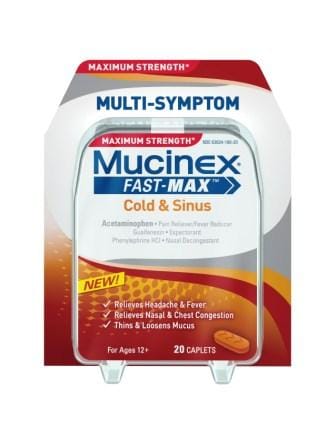
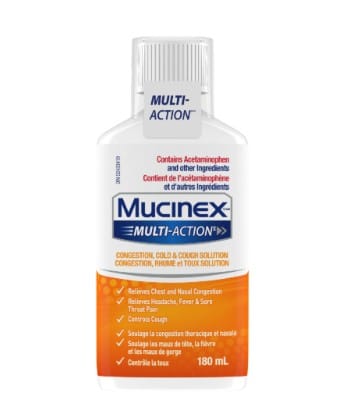
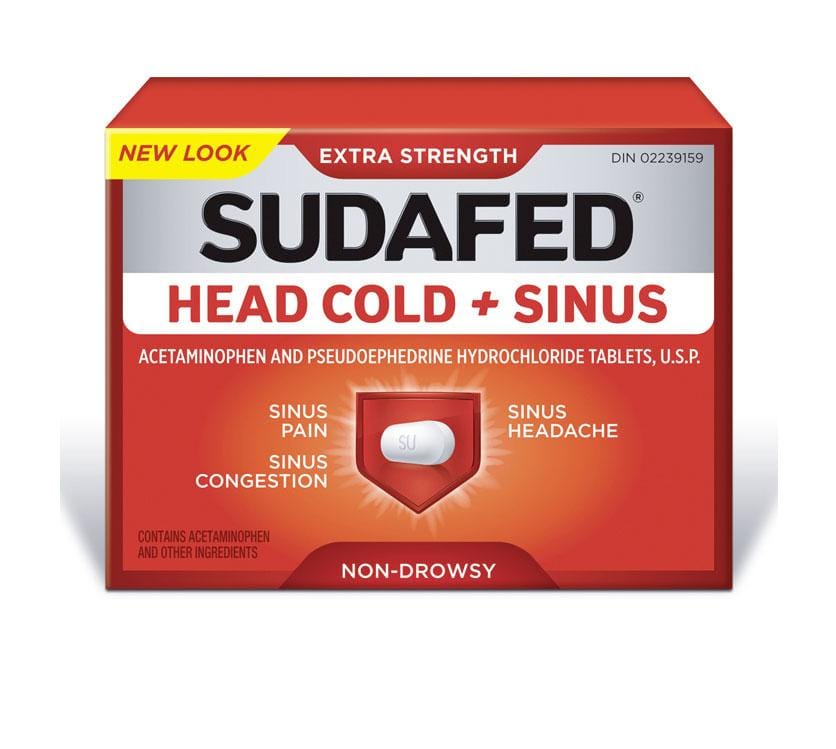
Book a telehealth visit to discuss Common Cold
Find a doctor
Speciality
State

Video Visit
$69

Video Visit
$69

Video Visit
$69

Video Visit
$69

Video Visit
$69

Video Visit
$69

Speciality: Dermatology, Family Medicine, Men's Health, Urgent Care, Women's health
Speaks: English, Spanish, French, Arabic, Portuguese
Video Visit
$69

Video Visit
$69

Video Visit
$69

Video Visit
$69

Video Visit
$69

Video Visit
$69
Frequently Asked Questions
What information is included on this Common Cold category page?
This category page combines browsing and education in one place. It covers symptoms like congestion, sore throat, and cough. It also compares common OTC product types and supportive care tools. Safety notes highlight label pitfalls and common reasons to seek evaluation. Links to Medispress guides explain telehealth visits and prescription workflows. Product availability can vary by state rules and pharmacy requirements.
How can OTC cold medicines be compared more safely?
Start by identifying the single symptom that needs the most relief. Then check the active ingredients, not only the front label claims. Many multi-symptom products share ingredients across brands. That can increase accidental double-use when mixing products. Age guidance and pregnancy warnings are important label sections. People with chronic conditions should note decongestant cautions. When uncertainty remains, a clinician can help interpret labels and risks.
What’s the difference between a cold, the flu, and COVID-19?
These illnesses can overlap, especially early in the course. Colds often build gradually and center on runny nose and congestion. Flu more often brings sudden body aches and marked fatigue. COVID-19 ranges widely and can include respiratory and non-respiratory symptoms. Timing, exposures, and symptom intensity help clinicians sort patterns. Because symptoms can look similar, clinical evaluation is reasonable when severity rises, risk is higher, or symptoms do not improve.
When is it reasonable to seek medical care for a cold?
Many colds improve with time and supportive care. Medical evaluation is commonly considered when breathing becomes difficult. Chest pain, confusion, or fainting also raise concern. Very high or persistent fever patterns may need review. Worsening after initial improvement can signal a different problem. Infants, older adults, pregnant people, and immunocompromised patients may need earlier guidance. A clinician can help determine whether symptoms fit a routine cold or something else.
Can telehealth help with cold symptoms and prescription needs?
Telehealth can help with symptom review and practical next steps. A clinician can assess severity, timing, and medical history by video visit. When clinically appropriate, prescriptions may be coordinated through partner pharmacies. Pharmacies follow verification steps and state dispensing regulations. Many cold concerns are handled with OTC guidance and supportive care discussion. Telehealth is also useful when symptoms suggest another condition that needs evaluation.