


Cold Sores
Care Options for Cold Sores
This category page supports browsing care options for Cold Sores. It brings together practical education, common medication pathways, and related reading. The goal is to make comparisons easier for patients and caregivers.
Cold sores are also called herpes labialis (lip herpes). They are most often linked to HSV-1 (herpes simplex virus type 1). Outbreaks can follow a pattern, from early tingling to crusting. Triggers vary, and recurrences are common for some people.
Cold Sores: What You’ll Find
Use this collection to review options that may come up in routine care. Some approaches focus on antiviral medicines (virus-fighting medicines). Others focus on comfort, skin protection, and reducing irritation during healing.
Several resources also explain common cold sore stages and what early signs can feel like. That context can help when describing symptoms during a visit. It can also help when comparing short-term comfort products versus prescription routes.
For broader context on visit types, see Telehealth Services Overview. For administrative details on medication access, review Prescriptions Through Telehealth.
- Overviews of typical symptoms and outbreak patterns
- Notes on common triggers, including stress and sun exposure
- High-level treatment categories, including prescription and nonprescription options
- Practical comparisons, like topical versus oral approaches
- Links to related Medispress condition collections and reading
Medispress video visits are provided by licensed U.S. clinicians.
How to Choose
Comparing options works best when details are specific. That includes timing, location, and how often outbreaks happen. Cold Sores can look similar to other mouth and skin issues at first glance.
Start by matching what is being treated with what it might be. For skin-focused support, the Teledermatology Services page explains what virtual skin visits can cover. For symptom education, Fever Blister Relief Options reviews what tends to help, and what to skip.
Why it matters: Early tingling can change which options a clinician considers.
Match the option to timing and location
- Where the sore is located, such as the lip border or inside the mouth
- Whether it started with tingling, burning, or itching
- Whether blisters are present, or if the area is already crusted
- If there is significant pain, swelling, or cracking at the corners
- Whether outbreaks are rare, occasional, or frequent
Plan for recurrence and triggers
- Common triggers, such as stress, illness, or sun exposure
- Sleep changes and hydration habits during busy weeks
- Diet patterns that may correlate with flares for some people
- Shared items that may spread irritation, like razors or lip balm
- Questions to ask, including “Is this a cold sore vs canker sore?”
Supportive habits can be part of a broader plan. The reading on Virtual Nutrition Counseling and the Benefits Of Hydration can help frame those discussions. They are not specific to outbreaks, but they can add useful context.
Safety and Use Notes
Cold sores are contagious, especially when blisters are weeping. Spread usually happens through direct contact with the affected area. Indirect spread can also happen through shared items, depending on the situation.
Many people ask about Cold Sores versus canker sores. Canker sores (aphthous ulcers) usually occur inside the mouth. They are not caused by HSV. Location, appearance, and pattern over time can help differentiate them.
For a public health overview of HSV, see the CDC herpes fact sheet. For general skin guidance, the American Academy of Dermatology overview is also helpful.
Quick tip: Avoid sharing lip products, cups, and utensils during an outbreak.
- Seek urgent evaluation for eye pain, redness, or vision changes
- Extra caution is needed with infants and immunocompromised people
- Pregnancy can change which treatments are considered appropriate
- Some prescription antivirals may require kidney history review
- Topical products can irritate broken skin or cause contact reactions
- Picking a scab can slow healing and increase skin irritation
Appointments run in a secure, HIPAA-compliant Medispress app.
Access and Prescription Requirements
Some items used for Cold Sores are over the counter. Others require a prescription, based on medication type and clinical context. When a prescription is needed, licensed pharmacies typically verify it before dispensing.
Medispress telehealth visits are completed by video. Clinicians review symptoms and medical history during the appointment. When clinically appropriate, prescriptions may be coordinated through partner pharmacies. State rules can affect what is available and how it is filled.
- Whether the issue is new, recurrent, or worsening
- Any current medicines, allergies, or relevant medical conditions
- Pregnancy or breastfeeding status, when applicable
- Immune system concerns, including immune-suppressing treatments
- Preference for cash-pay options, often without insurance
Clinicians decide next steps and may coordinate pharmacy dispensing when appropriate.
Related Resources
Some symptoms overlap with other common conditions. Browsing related collections can help when the cause is unclear. See the Cold Symptoms Collection and the Common Cold Collection for comparison points. For a broader scope of virtual care, review What Telehealth Can Treat.
If Cold Sores are a recurring concern, it can help to keep notes between episodes. Dates, triggers, and photos for personal reference can improve recall later. Clear details often make visits more efficient and less stressful. The links above can support browsing and basic education, alongside clinician guidance.
This content is for informational purposes only and is not a substitute for professional medical advice.

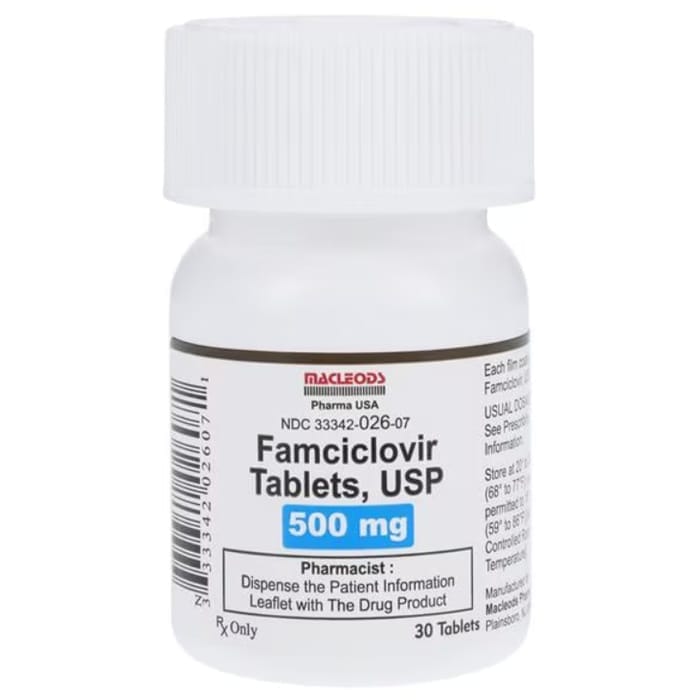
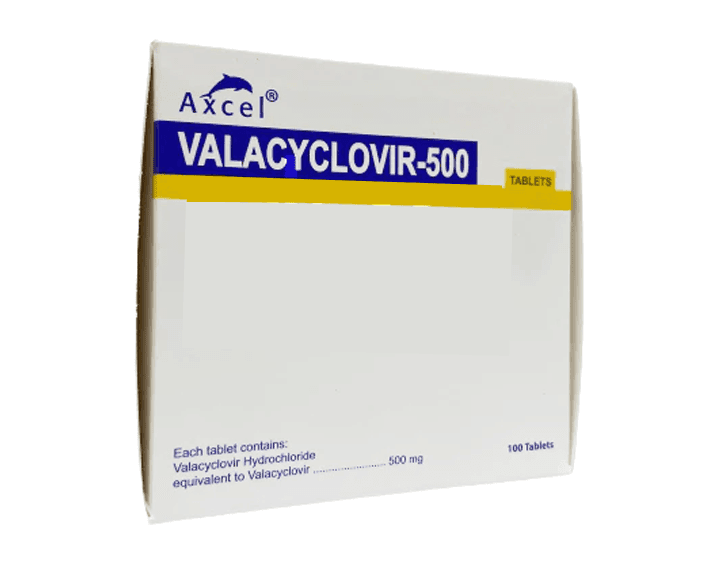
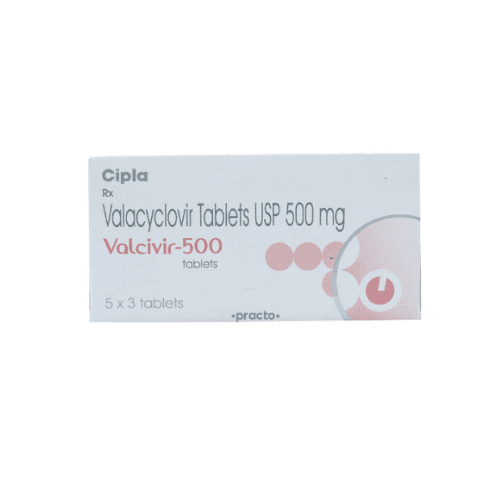
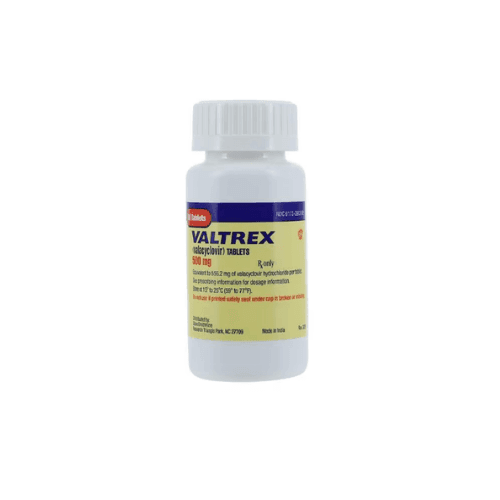
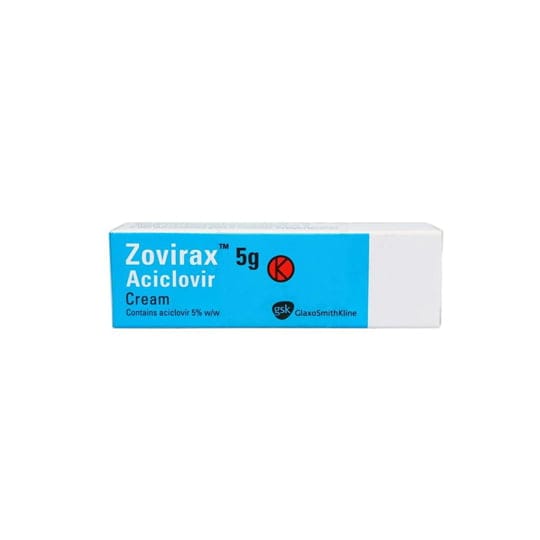
Find suitable medication for Cold Sores
Book a telehealth visit to discuss Cold Sores
Find a doctor
Speciality
State

Video Visit
$69

Video Visit
$69

Video Visit
$69

Video Visit
$69

Video Visit
$69

Video Visit
$69

Speciality: Dermatology, Family Medicine, Men's Health, Urgent Care, Women's health
Speaks: English, Spanish, French, Arabic, Portuguese
Video Visit
$69

Video Visit
$69

Video Visit
$69

Video Visit
$69

Video Visit
$69

Video Visit
$69
Frequently Asked Questions
What’s the difference between a cold sore and a canker sore?
Cold sores are usually HSV-related blisters near the lip border. They often start with tingling, then blistering and crusting. Canker sores are mouth ulcers that form inside the cheeks or lips. They do not come from HSV. The look and location can overlap in early stages. A clinician can help confirm the cause, especially with frequent recurrences. Accurate identification matters because treatment options and precautions can differ.
How do I browse treatment options on this category page?
Use the listings and links to compare care pathways side by side. Look for differences between over-the-counter comfort products and prescription-only options. Then review related reading for context on triggers and stages. If telehealth is relevant, follow the linked pages about visit types and prescription access. This approach helps patients and caregivers gather details before scheduling. It also reduces confusion when symptoms change between outbreaks.
When might a prescription be considered for a lip outbreak?
Prescription antivirals are sometimes used for HSV outbreaks, depending on the case. A clinician may consider severity, recurrence pattern, and medical history. Age, pregnancy, and immune status can also matter. Some people only need nonprescription comfort measures, while others may discuss prescription options. Telehealth can support evaluation when appropriate, but clinicians make the decision. Pharmacies usually require a valid prescription and complete verification before dispensing.
Are cold sores contagious, and when is spread most likely?
Cold sores can spread through direct contact with the affected area. Spread is often more likely when blisters are present or leaking fluid. Some viral shedding can occur even when skin looks improved. Many people reduce spread risk by avoiding shared lip products and utensils. Hand hygiene after touching the area can also help. If an infant or someone immunocompromised is involved, extra caution is often recommended.
What information helps during a telehealth visit for a possible cold sore?
Having clear details can make a video visit smoother. Note when symptoms started and how they changed over time. Include early sensations like tingling, plus any fever or swollen glands. List current medicines, allergies, and relevant health conditions. Mention pregnancy, breastfeeding, or immune suppression when applicable. A clinician may ask to see the area on video in good lighting. These details help support accurate documentation and appropriate next steps.