


Cold
Cold Care Options, Symptoms, and Relief Resources
This category page supports patients and caregivers managing Cold symptoms at home. It brings together symptom education, product browsing, and care access basics. Many people start with a sore throat, runny nose, or nasal congestion. Others notice fatigue, headache, or a mild fever. Some symptoms can overlap with allergies or influenza, which adds confusion. Visits connect patients with licensed U.S. clinicians by video.
This page stays practical and browsing-focused. It helps compare common over-the-counter options and check key safety details. It also explains when a clinician visit may be helpful. Severe or fast-worsening symptoms still need timely in-person evaluation.
Cold What You’ll Find
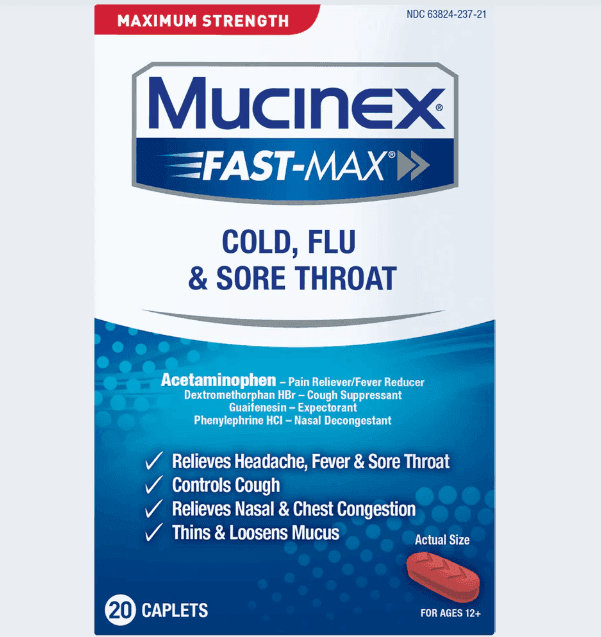
This collection groups common symptom-relief options used for viral upper-respiratory illness. Product listings typically show active ingredients, dosage forms, and label warnings. Many shoppers compare single-ingredient products versus multi-symptom combinations. Some also compare daytime formulas versus nighttime formulas, based on sedation risk.
Several guides on Medispress explain how virtual care works and what to expect. For example, see Virtual Doctor Visit Guide and Virtual Appointment Checklist. If audio or video quality becomes an issue, Tech Troubles Tips can help prevent delays.
Some people also browse broader telehealth topics before choosing visit type. What Telehealth Can Treat gives a useful, plain-language overview.
Quick tip: Check labels for duplicate ingredients before combining multi-symptom products.
- Symptom-relief categories for cough, congestion, sore throat, and body aches
- Label details like active ingredients, warnings, and age restrictions
- Virtual visit preparation resources and common logistics
- General guidance on when symptoms may need medical evaluation
How to Choose
Start by listing the main symptoms and when they feel worst. Many products target one symptom, while others combine several. Combination products can be convenient, but they increase ingredient overlap risk. It also helps to note daytime needs versus sleep-time comfort. For a symptom overview, browse Cold Symptoms.
Match products to the main symptom
- For nasal stuffiness, compare options labeled for nasal congestion relief
- For runny nose or sneezing, check whether a product includes an antihistamine
- For throat discomfort, compare lozenges, sprays, and soothing liquids
- For cough, look for label terms like suppressant or expectorant
- For aches or fever, look for an antipyretic (fever-reducer) or analgesic (pain-reliever)
Check fit with health history
- Review the “Do not use” and “Ask a doctor” label sections
- Watch for sedating ingredients if driving or school is required
- Confirm age limits for children and teens before selecting a product
- Consider pregnancy and breastfeeding warnings shown on product labels
- Look for interaction cautions when taking other daily medications
Safety and Use Notes
A typical Cold illness can still raise important safety questions. The biggest issue is ingredient overlap across combination products. Many multi-symptom items share the same pain reliever or sedating antihistamine. Reading the Drug Facts panel helps avoid doubling an ingredient by accident.
Why it matters: Duplicate ingredients can increase side effects, even with “standard” products.
Video visits run in a secure, HIPAA-compliant Medispress app. A clinician can help interpret symptoms and review medications for conflicts. Some symptoms can resemble sinus infection, strep throat, or influenza. That is one reason clinicians ask about timing, exposures, and severity.
For a trusted baseline on viral upper-respiratory illness, see CDC information here: CDC common cold overview. For pediatric safety context, see FDA information here: FDA guidance on children’s cough medicines.
- Seek urgent evaluation for trouble breathing, chest pain, or blue lips
- Get medical help for severe dehydration, confusion, or fainting
- Ask about evaluation when fever is high or symptoms worsen quickly
- Use extra caution with chronic heart, lung, kidney, or liver conditions
- Avoid adult-labeled products for children unless the label allows it
- Check pregnancy warnings closely, especially with decongestants
Access and Prescription Requirements
Many symptom-relief products are available without a prescription. Other treatments may require a prescription, depending on the medication. A clinician visit can help decide whether evaluation or testing is needed. It can also support documentation requests from work or school. For people seeking cash-pay care, options may be available without insurance.
When appropriate, clinicians can route prescriptions through partner pharmacies, per state rules. Pharmacies still follow standard prescription verification and dispensing requirements. That includes checking patient details and medication suitability. Prescribing also depends on clinician judgment and local regulations.
For logistics, Prescriptions Through Telehealth explains the usual workflow. If comparing virtual care services, Doctor On Demand Costs Notes covers common access questions.
- Have a current medication list ready, including supplements and allergies
- Note symptom timing, temperature readings, and any recent exposures
- Share relevant history, including asthma, COPD, or immune conditions
- Bring pharmacy preferences, if a prescription is clinically appropriate
- Plan a quiet space and stable connection for the video visit
Related Resources
Some pages cover closely related symptom patterns and browsing categories. For a broader set of similar listings, browse Common Cold. For parents and caregivers, Pediatric Care Telehealth explains how visits often differ for kids.
It also helps to plan ahead for a smoother visit. The Virtual Appointment Checklist is useful for first-time telehealth users. For practical setup steps, Tech Troubles Tips can reduce common connection problems.
This content is for informational purposes only and is not a substitute for professional medical advice.

Find suitable medication for Cold
Book a telehealth visit to discuss Cold
Find a doctor
Speciality
State

Video Visit
$69

Video Visit
$69

Video Visit
$69

Video Visit
$69

Video Visit
$69

Video Visit
$69

Speciality: Dermatology, Family Medicine, Men's Health, Urgent Care, Women's health
Speaks: English, Spanish, French, Arabic, Portuguese
Video Visit
$69

Video Visit
$69

Video Visit
$69

Video Visit
$69

Video Visit
$69

Video Visit
$69
Frequently Asked Questions
What is included on this Cold category page?
This category page brings together common symptom-relief options and educational resources. Listings often highlight active ingredients, dosage forms, and label warnings. It also links to telehealth preparation guides and prescription workflow basics. The goal is to make browsing easier for patients and caregivers. It does not diagnose conditions or replace clinical judgment. For urgent symptoms, in-person or emergency care may be more appropriate.
How can telehealth help when respiratory symptoms start?
Telehealth can help a clinician review symptoms, history, and current medications. They may discuss whether symptoms fit a viral illness, allergies, or something else. They can also screen for red flags that need in-person evaluation. When clinically appropriate, a clinician may coordinate prescription options through a pharmacy. Access varies by state rules and individual clinical factors. Telehealth is not suitable for severe breathing problems or emergencies.
When should someone see a doctor for a cold-like illness?
Medical evaluation is important when symptoms are severe or getting worse. Concerning signs include trouble breathing, chest pain, confusion, or signs of dehydration. A very high fever or fever that persists can also warrant evaluation. People with asthma, COPD, or immune suppression may need earlier assessment. Symptoms in infants and very young children also deserve extra caution. A clinician can help decide if in-person care is needed.
Are over-the-counter cough and congestion medicines safe for children?
Safety depends on the child’s age and the specific product label. Many products have strict age cutoffs and dosing instructions. Some combination products increase the risk of duplicate ingredients. Caregivers should avoid using adult-labeled products for children unless the label allows it. For very young children, regulators and pediatric groups often advise extra caution. A pediatric clinician can help review options alongside the child’s medical history.
How do prescriptions and pharmacy verification work through Medispress?
Prescription-only medications require a valid prescription from a licensed clinician. If a clinician determines a prescription is appropriate, they may send it to a partner pharmacy. Pharmacies then complete standard checks before dispensing, including patient verification. Dispensing also follows state and federal regulations. Some patients use cash-pay options, often without insurance, depending on the pharmacy. Clinical decisions always stay with the treating clinician.