


Chronic Pain
Care Options and Resources for Chronic Pain
Living with Chronic Pain can affect sleep, work, mood, and mobility. This category page helps patients and caregivers browse common care pathways. It also gathers practical resources that support organized conversations with clinicians. Pain can come from nerve irritation, inflammation, injury, or mixed causes. It can also show up as headaches, back strain, joint stiffness, or pelvic discomfort.
On this page, people can review condition-aligned collections and education in one place. Topics include pain assessment basics, common symptom patterns, and non-medication supports. The goal is to make comparing options simpler and less overwhelming. Content stays general and focuses on safe planning and better visits.
Licensed U.S. clinicians can evaluate symptoms in video visits using a secure, HIPAA-compliant app.
Chronic Pain: What You’ll Find
This browse page brings together tools that support day-to-day planning for long-lasting pain. It includes navigation to condition collections that may relate to nerve pain relief, arthritis pain, fibromyalgia, sciatica pain, and chronic migraine. It also links to visit-prep guides that help people describe symptoms clearly. That detail can matter when pain changes over time or shifts locations.
Listings and resources can highlight practical differences, like prescription status, typical use setting, and key safety considerations. Some options focus on neuropathic pain (pain from irritated or damaged nerves). Others address musculoskeletal pain (pain from muscles, bones, and joints). Many people use more than one approach over time, depending on goals and tolerability.
For telehealth basics and visit flow, browse Telehealth Online Basics and the Virtual Doctor Visit Guide. For ongoing care planning, the Chronic Disease Management specialty page can also help with navigation.
- Condition-aligned collections and related browsing links
- Guides for describing symptoms, triggers, and functional limits
- High-level overview of chronic pain causes and symptom patterns
- Administrative notes on prescriptions and verification steps
How to Choose
Many people compare options by matching pain patterns to daily needs. Chronic Pain can look different across people and across weeks. A structured comparison helps avoid repeating the same trial-and-error cycle. It also helps caregivers support consistent documentation.
Quick tip: Keep a short pain log with dates, triggers, and functional impact.
Clarify the pain pattern
Start by naming what the pain feels like and when it changes. This helps separate neuropathic symptoms from mechanical strain patterns. It also helps clinicians understand whether pain links to activity, position, meals, or stress. Use plain language, then add details that make it measurable.
- Location and spread, like neck to shoulder, or hip to leg
- Sensation, like burning, stabbing, pressure, or aching
- Timing, including flares, morning stiffness, or nighttime symptoms
- Triggers and relievers, including movement, rest, heat, or cold
- Function limits, like walking, lifting, sitting, or concentrating
Match options to constraints and goals
Next, compare practical fit and safety context. Some people prioritize staying alert at work or school. Others focus on sleep, mobility, or fewer flares. Non opioid pain management often combines multiple supports, including movement plans and coping skills.
- Medication form preferences, like topical vs oral, when applicable
- Other conditions that affect choices, like kidney or lung disease
- Current medication list, including supplements and over-the-counter products
- Prior experiences, including side effects and what did not help
- Non-medication supports, like physical therapy for chronic pain
- Skills-based options, like cognitive behavioral therapy for pain
- Stress tools, including mindfulness for pain and pacing strategies
For visit conversation prompts, review Top Questions For Telehealth and the Virtual Appointment Checklist. If video visits feel stressful, Tech Troubles Tips can reduce last-minute friction.
Safety and Use Notes
Pain products and prescriptions can carry different risks, even when symptoms feel similar. Some options may interact with other medicines or worsen certain health conditions. People with chronic kidney disease, stomach ulcers, bleeding risks, or liver disease often need extra caution. Clinicians also consider age, pregnancy status, and fall risk.
Opioids and other controlled medicines have strict rules and added safety concerns. Some people also face sedation, constipation, or impaired driving. For a neutral overview of risks and safe handling, read a CDC overview of opioid prescribing considerations. For general anti-inflammatory medicine cautions, review the FDA safety communication on NSAID risks.
Clinicians make clinical decisions based on symptoms, history, and available records.
- Share a full medication list to reduce interaction risk
- Note allergies and prior serious side effects, if any
- Ask how to store medicines safely around children and pets
- Confirm whether drowsiness can affect driving or work tasks
- Discuss constipation prevention planning when it is a known risk
- Seek urgent care for severe symptoms, chest pain, or new weakness
Access and Prescription Requirements
Some options on this page require a prescription and clinician evaluation. Availability can vary by state rules and by clinical appropriateness. When prescriptions apply, pharmacies typically verify the prescription before dispensing. Some items may also require identity checks or added documentation.
Why it matters: Clean paperwork and medication lists can reduce avoidable processing delays.
When clinically appropriate, prescriptions may be coordinated through partner pharmacies under state regulations. Some patients also use cash-pay options, often without insurance, when coverage is limited. The right path depends on the product type, the care plan, and local requirements.
- Basic medical history and current symptom summary
- Medication list, including nonprescription pain relievers and supplements
- Recent labs or imaging reports, when available and relevant
- Pharmacy details and contact information, if a transfer is needed
- Plan for follow-up, since long-term pain often needs adjustments
For an administrative overview of online prescribing steps, see Prescriptions Through Telehealth.
Related Resources
Chronic Pain often overlaps with other long-term conditions that change medication choices. Browsing related collections can help caregivers spot safety considerations and common care needs. For example, some medicines require extra caution with kidney or lung disease. Others can worsen constipation or affect sleep quality.
Explore related condition collections like Chronic Kidney Disease, Chronic Obstructive Pulmonary Disease, and Chronic Constipation. These pages support browsing and planning, not self-diagnosis. They can also help when organizing questions for a pain specialist or a pain clinic referral.
- Visit-prep guides for clear, consistent symptom descriptions
- Condition collections that may affect safety screening decisions
- Navigation support for ongoing care and follow-up planning
This content is for informational purposes only and is not a substitute for professional medical advice.

Find suitable medication for Chronic Pain
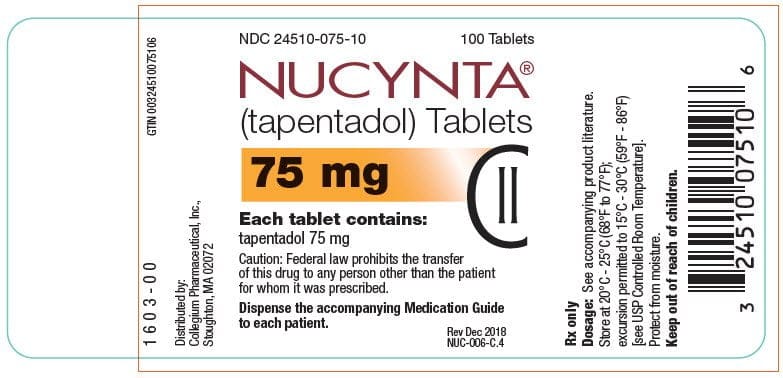
Book a telehealth visit to discuss Chronic Pain
Find a doctor
Speciality
State

Video Visit
$69

Video Visit
$69

Video Visit
$69

Video Visit
$69

Video Visit
$69

Video Visit
$69

Speciality: Dermatology, Family Medicine, Men's Health, Urgent Care, Women's health
Speaks: English, Spanish, French, Arabic, Portuguese
Video Visit
$69

Video Visit
$69

Video Visit
$69

Video Visit
$69

Video Visit
$69

Video Visit
$69
Frequently Asked Questions
What is included on this category page?
This category page groups browsing links and practical education for long-lasting pain. It may include condition-aligned collections, telehealth visit-prep guides, and administrative notes. The goal is to make comparisons easier without giving medical advice. People can review common symptom terms, safety themes, and questions to discuss with a clinician. If prescriptions are relevant, the page also explains that pharmacy verification and state rules can apply.
How can I compare options without guessing what matters?
A helpful comparison starts with the pain pattern and daily goals. Note the location, quality, timing, and what changes symptoms. Add functional impact, like sleep, walking, or work focus. Then compare practical fit, like form, safety cautions, and interaction risks. Keep a current medication list, including supplements and over-the-counter products. This approach supports clearer clinician discussions and reduces repeated trial-and-error.
Can telehealth be used for long-term pain care?
Telehealth can support parts of long-term pain care, especially follow-ups and care coordination. A licensed clinician can review symptoms, history, and current medicines during a video visit. They may recommend next steps, which can include non-medication supports and referrals. When clinically appropriate, a clinician may also coordinate prescription options through partner pharmacies. Availability and requirements can vary based on state regulations and the care plan.
What information should I prepare for a pain-focused visit?
Bring a short symptom summary and a current medication list. Include prescription medicines, over-the-counter pain relievers, vitamins, and supplements. If available, note prior imaging or lab results and what past treatments did not help. A simple pain log can help, with triggers, timing, and functional limits. Also list allergies and any serious side effects from prior medicines. This supports a more accurate pain assessment conversation.
When should someone seek urgent care for pain?
Some pain situations need urgent evaluation, even when pain is long-standing. Examples include chest pain, sudden shortness of breath, new weakness, confusion, fainting, or loss of bladder or bowel control. Severe headache with neurological symptoms also warrants urgent assessment. Persistent fever, rapidly worsening swelling, or signs of infection can be concerning. If a symptom feels sudden, severe, or unsafe to wait on, urgent care or emergency services may be appropriate.