


Chronic Myeloid Leukemia
Care Options for Chronic Myeloid Leukemia
This category page covers Chronic Myeloid Leukemia for patients and caregivers managing ongoing care. It focuses on medication access, common terminology, and practical visit preparation. Use it to browse related items and learn what names mean. It also explains how telehealth and prescription workflows usually work on Medispress.
CML is also called chronic myelogenous leukemia. It is often linked to the Philadelphia chromosome (a gene change). That change can create BCR-ABL1 (an abnormal gene signal). Care discussions often involve CML phases and long-term follow-up plans.
Chronic Myeloid Leukemia What You’ll Find
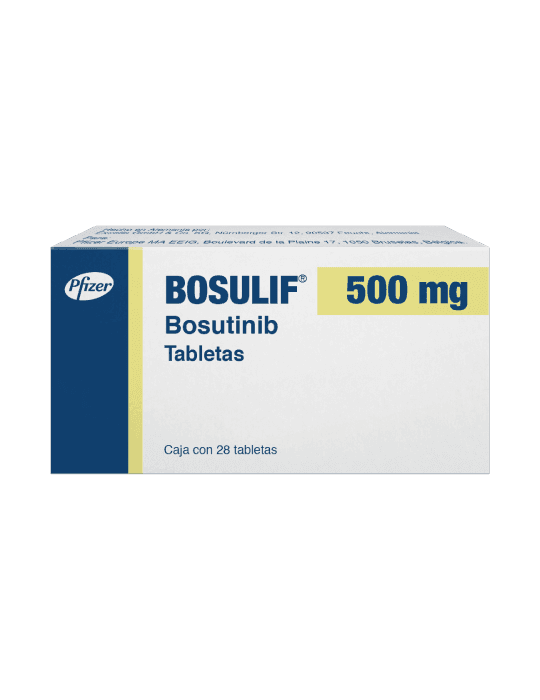
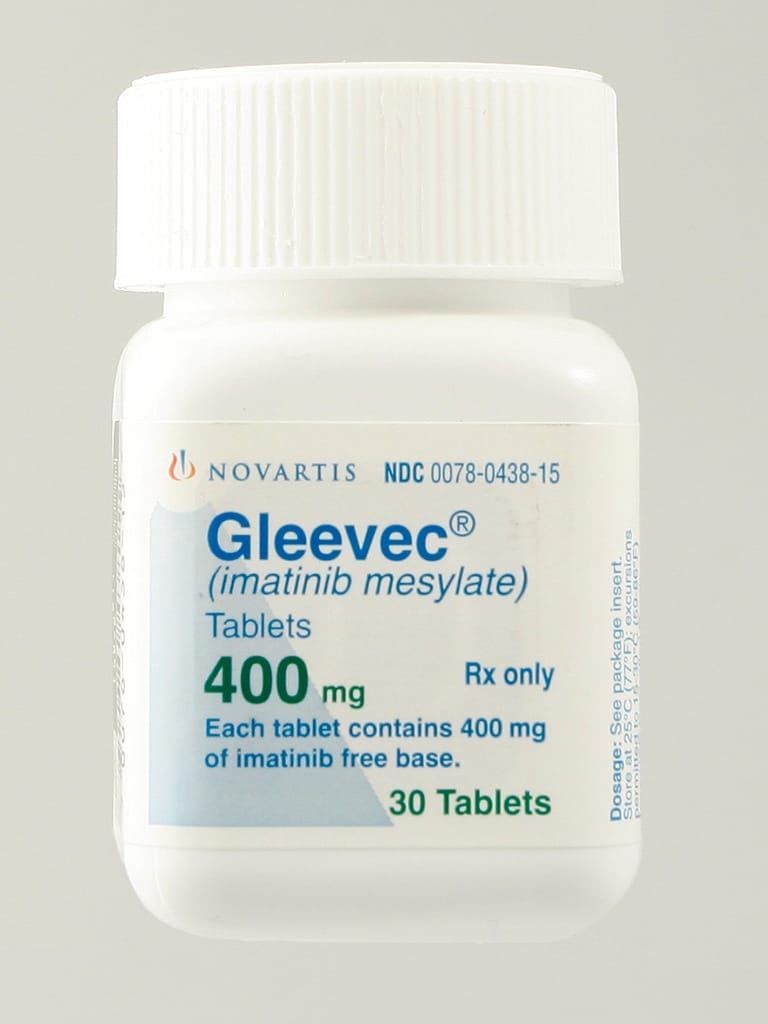
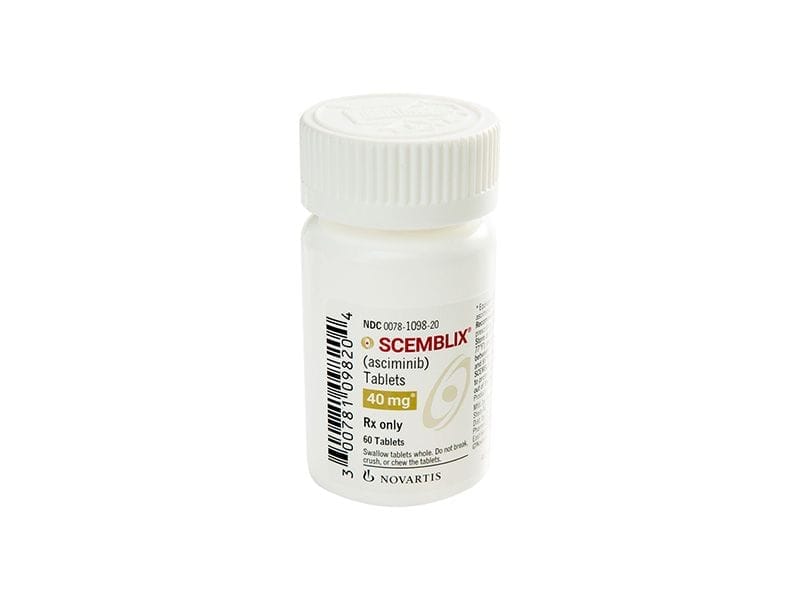
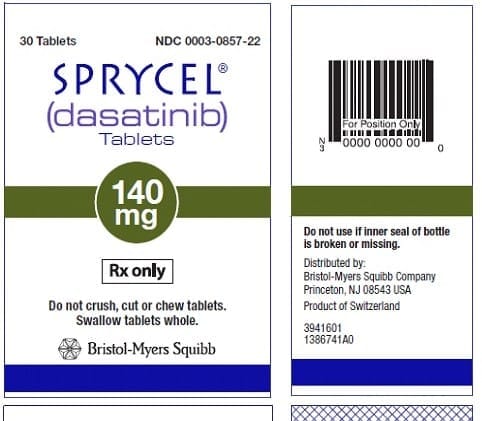
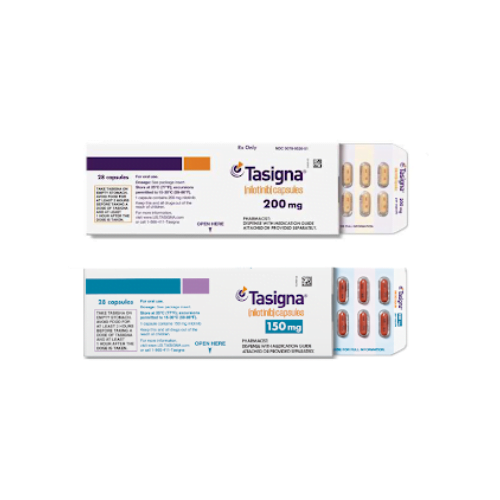
This collection brings together CML-relevant medication listings and supporting education. Many people recognize tyrosine kinase inhibitors (TKIs) as a key drug class. Examples include imatinib, dasatinib, nilotinib, bosutinib, and ponatinib. Listings may show the active ingredient, dosage form, and prescription status.
Terminology can feel dense, especially at first glance. This page helps decode phrases like chronic phase CML, accelerated phase CML, and blast crisis CML. It also explains why the Philadelphia chromosome and BCR-ABL1 matter in clinical notes. For a plain-language overview of remote prescribing basics, see Prescriptions Online Through Telehealth.
Appointments happen by video with licensed U.S. clinicians.
- Medication listings commonly used in CML care
- Key terms, including disease phases and gene-related wording
- High-level CML treatment options, without medical instructions
- Administrative notes on prescription and pharmacy verification
- Telehealth preparation guidance for patients and caregivers
- Links to related leukemia and blood-cancer collections
How to Choose
When comparing options on a Chronic Myeloid Leukemia browse page, start with clarity. Focus on what is being listed and what it represents. Check whether the page is describing a medicine, a care service, or education. Then gather details that a hematology-oncology team typically asks about.
Comparing listings and terminology
- Match the exact medicine name to the current medication list
- Confirm whether it is a brand name or a generic ingredient
- Note the dosage form, such as tablet versus capsule
- Scan for handling notes, like storage or missed-dose cautions
- Look for interaction flags with common medicines and supplements
- Check for special precautions, including pregnancy-related warnings
Preparing for a clinician conversation
- Bring the diagnosis wording used by the treating team
- List current medicines, plus over-the-counter products and supplements
- Write down allergy history and prior medication reactions
- Note any new or changing symptoms since the last review
- Have recent lab results available, if already provided by the clinic
- Track refill timing needs and any access barriers
Quick tip: Save an updated medication list in your account notes.
For practical telehealth planning, review Telemedicine Services What To Expect and the Virtual Appointment Checklist. These guides help set expectations for documentation and follow-up. They also explain common steps before and after a video visit.
Safety and Use Notes
Chronic Myeloid Leukemia medicines can have meaningful risks and interactions. Many are long-term therapies, so routine safety review matters. Side effects may include fatigue, stomach upset, swelling, skin changes, or lab abnormalities. Some people also need support for adherence, especially with daily medicines.
It helps to keep safety information organized between visits. Record new symptoms, side effects, and medication changes in one place. If urgent symptoms appear, emergency care may be needed. For broad, reputable background on CML care, see a neutral overview from the National Cancer Institute and patient guidance from NCCN Guidelines for Patients.
Visits use a secure, HIPAA-compliant app for communication.
Why it matters: Small interaction details can change a plan quickly.
- Share a complete medication and supplement list at each review
- Flag pregnancy, breastfeeding, or pregnancy planning concerns early
- Note liver or kidney conditions, since some medicines need caution
- Report unusual bruising, bleeding, or frequent infections promptly
- Avoid starting new supplements without clinician review
- Ask how missed doses should be handled for a specific prescription
- Confirm whether monitoring schedules affect refill timing decisions
- Discuss long-term options only with the treating oncology team
Access and Prescription Requirements
Chronic Myeloid Leukemia medications are prescription-only and require clinical review. Some treatments are managed closely by hematology-oncology specialists. Pharmacy dispensing also includes standard verification steps for safety. Access may involve cash-pay options, often without insurance, depending on the situation.
On Medispress, access typically follows a clear administrative flow. Details can vary based on the medicine and state rules. Records from an established oncology team can be helpful for continuity. If broader chronic-care coordination is needed, browse Chronic Disease Management for related support options.
When appropriate, clinicians can route prescriptions to partner pharmacies, based on state rules.
- Browse relevant listings and education in this category
- Schedule a telehealth visit if a clinician review is needed
- Share current medications, allergies, and key medical history
- Confirm the preferred pharmacy details for prescription routing
- Complete standard pharmacy verification steps when required
- Follow up for renewals based on the prescriber’s authorization
Some medicines have extra safeguards, especially with complex interactions. Specialty pharmacy processes may apply for certain therapies. If access barriers come up, it can help to document them clearly. A clinician can then consider options within appropriate guidelines.
Related Resources
This category connects to other collections that provide helpful context. Chronic Myeloid Leukemia sits within broader blood cancer and leukemia topics. Exploring related pages can make terminology feel more consistent. It may also help caregivers support record-keeping across multiple conditions.
- Leukemia Browse Page for related leukemia collections
- Blood Cancers Browse Page for broader navigation
- Acute Myeloid Leukemia for another leukemia subtype
- Philadelphia Chromosome Positive ALL for a related genetic term
This content is for informational purposes only and is not a substitute for professional medical advice.

Find suitable medication for Chronic Myeloid Leukemia

Book a telehealth visit to discuss Chronic Myeloid Leukemia
Find a doctor
Speciality
State

Video Visit
$69

Video Visit
$69

Video Visit
$69

Video Visit
$69

Video Visit
$69

Video Visit
$69

Speciality: Dermatology, Family Medicine, Men's Health, Urgent Care, Women's health
Speaks: English, Spanish, French, Arabic, Portuguese
Video Visit
$69

Video Visit
$69

Video Visit
$69

Video Visit
$69

Video Visit
$69

Video Visit
$69
Frequently Asked Questions
What will I see on the Chronic Myeloid Leukemia category page?
This page brings together medication listings and practical education tied to CML care. It may include common drug-class terms, such as tyrosine kinase inhibitors, plus related terminology like Philadelphia chromosome and BCR-ABL1. It also covers administrative topics, like prescription-only status and pharmacy verification. The goal is to make browsing clearer and help patients and caregivers prepare information for a clinician review.
Can telehealth be used for CML medication prescriptions?
Telehealth can be used for some prescription needs, but it depends on the clinical situation and the medicine. A licensed clinician must review the medical history and decide what is appropriate. Some CML therapies are managed closely by oncology specialists, and prior records may be important for continuity. State regulations and pharmacy requirements can also affect what can be prescribed or renewed through a virtual visit.
What information is helpful to have ready for a virtual visit?
It helps to have the exact diagnosis wording used by the treating team, plus a current medication list. Include over-the-counter products and supplements, since interactions can matter. Allergy history and prior medication reactions are also useful. Many clinicians also ask about recent symptoms and any changes in daily functioning. If available, having recent lab results or clinic notes on hand can support a smoother review.
How does prescription verification work with partner pharmacies?
Prescription-only medicines are dispensed by licensed pharmacies using standard verification steps. Pharmacies may confirm prescriber details, patient identity, and prescription accuracy before dispensing. Some medicines have extra checks due to safety considerations or specialty handling. If a clinician determines a prescription is appropriate, they may coordinate sending it to a partner pharmacy, subject to state rules. Final dispensing decisions remain with the pharmacy and applicable regulations.
What does the Philadelphia chromosome mean in CML?
The Philadelphia chromosome is a specific genetic change seen in many cases of CML. In simple terms, it involves a swap of genetic material that can create an abnormal signal. That signal is often described as BCR-ABL1, which can drive the growth of leukemia cells. Clinicians use these terms to describe disease biology and to support treatment planning. Only a treating oncology team can interpret what results mean for an individual case.
What do chronic phase, accelerated phase, and blast crisis mean?
These terms describe how CML can be grouped by disease behavior and cell counts. Chronic phase CML is often the earliest phase discussed in care plans. Accelerated phase suggests more aggressive features. Blast crisis CML refers to a more advanced phase with many immature cells. The exact definitions rely on clinical criteria and lab findings. A hematology-oncology clinician is best positioned to explain which phase applies and why it matters.