


Chronic Lymphocytic Leukemia
Care Options for Chronic Lymphocytic Leukemia
This category page brings together practical information about Chronic Lymphocytic Leukemia for patients and caregivers. It focuses on common terms seen in clinic notes, questions to raise at visits, and ways to stay organized. It also links to nearby conditions that sometimes get mentioned alongside CLL.
Some people use telehealth to handle parts of ongoing care. That may include reviewing symptoms, medications, and next-step planning. For general logistics, see How Virtual Visits Work.
Medispress connects patients with licensed U.S. clinicians through video visits.
Chronic Lymphocytic Leukemia: What You’ll Find
CLL is a type of blood cancer that involves certain white blood cells. It often moves slowly, but patterns vary by person. Many people first hear about it after routine blood work or an unrelated visit.
On this browse page, the goal is clarity and preparation. Expect plain-language explanations of CLL terms, plus clinical vocabulary used by oncology teams. You will also see links to adjacent topics, including Small Lymphocytic Lymphoma (often discussed as a related diagnosis). When long-term conditions overlap, care coordination can matter too. The Chronic Disease Management collection can help with that bigger picture.
For background, this page covers how clinicians describe the condition. It may include terms like staging, prognostic factors, and monitoring. It also introduces broad treatment categories, such as targeted therapies, immunotherapy, and clinical trials. It does not replace an oncology visit or individualized planning.
- Plain-language definitions for common CLL terms and abbreviations
- Overview of staging frameworks like Rai and Binet systems
- Common symptom patterns and possible complications to track
- High-level treatment pathways, including “watch and wait” approaches
- Links to telehealth preparation guides and related conditions
How to Choose
For Chronic Lymphocytic Leukemia, the care plan can change over time. Choices often depend on symptoms, lab trends, and overall health. This section helps compare resources and prepare questions for a clinician.
Understand what the resource is describing
- Check whether the content is about diagnosis, staging, monitoring, or treatment.
- Look for whether it addresses CLL vs SLL in clear language.
- Note if it discusses “watch and wait” versus starting therapy.
- Separate side effects from complications of the condition itself.
- Confirm whether details reflect current practice and updated labeling.
Prepare for care conversations
Many people find it helpful to focus on practical, repeatable questions. Those include what changes should prompt a call, and how often follow-up is typical. This guide can help structure the discussion: Top Telehealth Visit Questions.
Quick tip: Keep a single notes page with dates, symptoms, and medication changes.
- Ask how staging is being determined and what it means day-to-day.
- Ask which symptoms matter most to track between visits.
- Ask how infection risk is assessed and monitored over time.
- Ask how other conditions may affect treatment choices and timing.
- Ask what results should be shared before a follow-up discussion.
Telehealth visits go better with a simple plan and a checklist. This page can help with practical setup and expectations: Virtual Appointment Checklist.
Safety and Use Notes
Chronic Lymphocytic Leukemia can affect immune function, even before treatment. That can raise the chance of infections for some people. It can also affect how vaccines, other medicines, and new symptoms get interpreted.
Why it matters: Small changes can matter when immune defenses are lower.
Visits take place in a secure, HIPAA-compliant app for video care.
When reading about therapies, focus on categories instead of brand-level claims. Targeted therapy may include BTK inhibitors (medicines that block a growth signal). Other approaches may include BCL-2 inhibitors like venetoclax, immunotherapy, or time-limited combinations. These decisions depend on labs, comorbidities, and prior treatment history.
- Medication interactions can matter, including supplements and over-the-counter drugs.
- Bleeding risk, heart rhythm history, and infection history may change plans.
- Some symptoms overlap with common illnesses and need careful review.
- Clinical trials may be an option in certain settings and stages.
- Supportive care can include vaccines, infection prevention steps, and monitoring.
For neutral, plain-language disease background, see National Cancer Institute CLL PDQ. For community education and support topics, see Leukemia & Lymphoma Society CLL.
Access and Prescription Requirements
If Chronic Lymphocytic Leukemia treatment is discussed, prescriptions may require extra documentation. Many therapies are specialty medications with specific handling rules. Availability can also depend on state regulations and pharmacy network processes.
This category page supports browsing and care coordination. It does not guarantee that any specific medication is appropriate or available. When prescriptions are clinically appropriate, a licensed pharmacy must verify and dispense them. Some people use cash-pay options, often without insurance, depending on eligibility and availability.
Clinicians decide appropriateness and may route prescriptions to partner pharmacies when permitted by state rules.
- Keep a current medication list, including supplements and recent changes.
- Have key dates available, such as diagnosis year and prior therapies.
- Track allergies and past serious reactions in one place.
- Note recent infections, vaccines, or hospitalizations for context.
- Bring recent visit summaries when a clinician requests documentation.
If telehealth is part of the process, it helps to know how prescription coordination works. This guide explains typical steps and limits: Prescriptions Through Telehealth Visits.
Related Resources
For added context around Chronic Lymphocytic Leukemia, these links can support browsing. They include related diagnoses and practical telehealth guides. Use them to compare terminology, understand differences, and stay organized.
Related condition collections include Chronic Myeloid Leukemia and Kidney Disease Related Anemia. Some people also find it useful to understand broader care boundaries. This overview summarizes common use cases: What Telehealth Can Treat.
For smooth visits, technical readiness can reduce stress. This checklist can help prevent last-minute problems: Tech Troubles Tips.
This content is for informational purposes only and is not a substitute for professional medical advice.

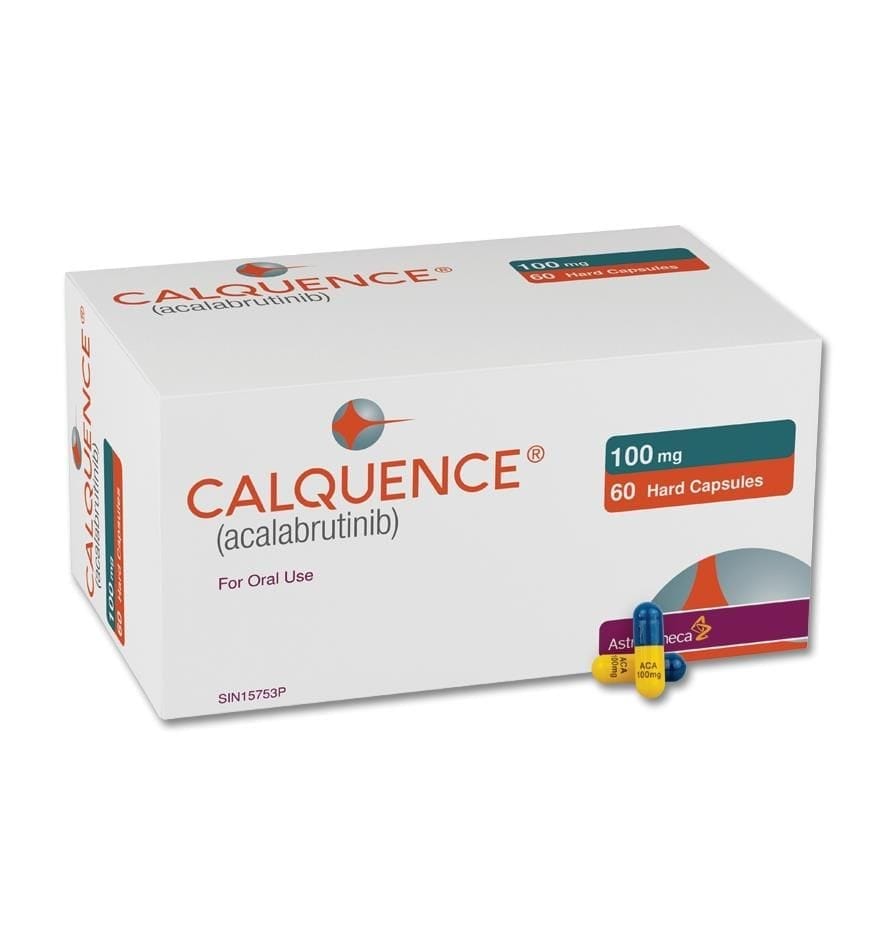
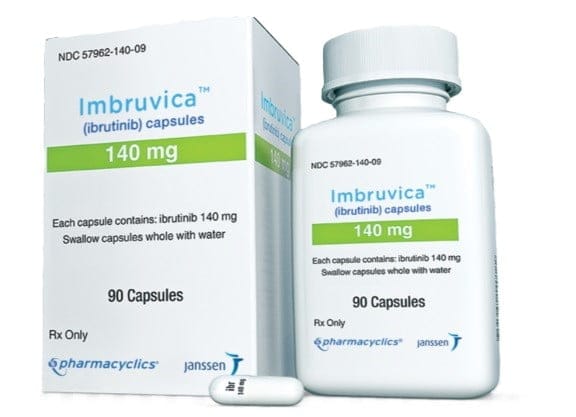
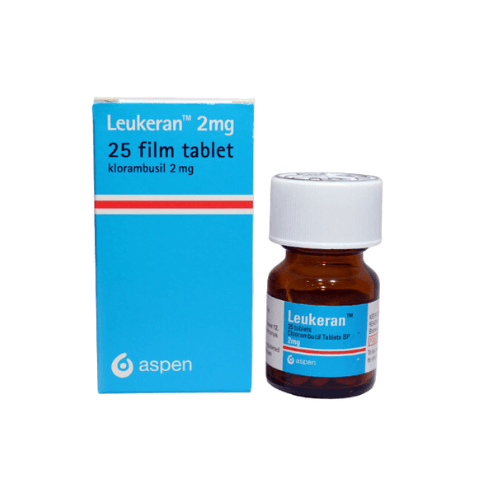
Find suitable medication for Chronic Lymphocytic Leukemia

Book a telehealth visit to discuss Chronic Lymphocytic Leukemia
Find a doctor
Speciality
State

Video Visit
$69

Video Visit
$69

Video Visit
$69

Video Visit
$69

Video Visit
$69

Video Visit
$69

Speciality: Dermatology, Family Medicine, Men's Health, Urgent Care, Women's health
Speaks: English, Spanish, French, Arabic, Portuguese
Video Visit
$69

Video Visit
$69

Video Visit
$69

Video Visit
$69

Video Visit
$69

Video Visit
$69
Frequently Asked Questions
What will I see on this category page?
This category page focuses on navigation and education. It explains common CLL terms, staging language, and monitoring concepts. It also links to related conditions and telehealth preparation guides. The goal is to help patients and caregivers organize questions and understand clinic wording. Listings and availability can change over time. A clinician should confirm what applies to an individual situation.
How does CLL differ from small lymphocytic lymphoma?
CLL and small lymphocytic lymphoma (SLL) are closely related. They involve similar types of abnormal lymphocytes. The main difference is where the disease is most noticeable. CLL is usually described when abnormal cells are mainly in the blood and bone marrow. SLL is usually described when lymph nodes are the main site. Clinicians may use both terms when patterns overlap.
What does "watch and wait" mean for CLL?
“Watch and wait” means close monitoring without starting treatment right away. It is also called active surveillance. Clinicians may use it when symptoms are minimal and labs are stable. During this time, follow-up visits help track changes in blood counts, symptoms, and physical findings. If the disease shows signs of progression, the care plan may shift. Only a clinician can decide when treatment is needed.
Can telehealth be used alongside in-person oncology care?
Telehealth can help with parts of ongoing care that do not require hands-on exams. Examples include reviewing symptoms, discussing side effects, or clarifying next steps. It can also support medication reconciliation and care coordination between visits. Some decisions still require in-person evaluation or local testing. Telehealth works best when it complements an established oncology plan and clear follow-up pathways.
What information helps a clinician review CLL concerns during a visit?
Clear records help clinicians interpret changes over time. Helpful items include a current medication and supplement list, known allergies, and key diagnosis dates. Prior treatment history matters, even if it was years ago. Recent visit summaries can also reduce back-and-forth. If a visit includes symptom review, a simple timeline of when symptoms started can be useful. Clinicians decide what documentation is needed for the situation.