


Chronic Hepatitis B
Care Options for Chronic Hepatitis B
This browse page brings together care information and listings for Chronic Hepatitis B. It is built for patients, caregivers, and anyone managing long-term HBV infection.
Explore common terms, visit-prep tools, and prescription-related basics in one place. Use it to compare options and organize questions for a clinician.
Chronic Hepatitis B: What You’ll Find
This category page focuses on long-term hepatitis B virus (HBV) infection. It groups practical education with condition-aligned prescription information.
Many people feel well for years with HBV. Others may notice fatigue, nausea, or belly discomfort. Clinicians often separate inactive carrier state (low-activity infection) from active hepatitis. They also review liver fibrosis and cirrhosis risk over time.
To make browsing easier, the page uses both plain and clinical terms. It may reference labs like ALT (a liver enzyme) and HBV DNA (virus level). It may also mention HBsAg (surface antigen) and HBeAg (e antigen) results. Some care plans include FibroScan (liver stiffness scan) or ultrasound surveillance for hepatocellular carcinoma (liver cancer).
Some listings relate to medication classes used in guidelines. These can include antiviral therapy options like tenofovir or entecavir. Some people also discuss pegylated interferon for HBV with a specialist. Medication choice depends on many clinical details.
Virtual care resources are included for planning and follow-up. The How Virtual Visits Work guide explains typical visit flow. For a broader condition overview, browse Hepatitis B for related navigation.
- Plain-language explanations of common HBV terms and phases
- Monitoring concepts, including labs and imaging terms seen in reports
- Medication categories sometimes used for long-term viral suppression
- Administrative notes that affect prescriptions, refills, and verification
- Telehealth preparation content and communication tips
Appointments are with licensed U.S. clinicians.
How to Choose
Chronic Hepatitis B care can involve labs, imaging, and medication history. This section highlights details that help compare listings clearly.
Clinical details to note
- Whether the goal is initial evaluation, follow-up, or care coordination
- Any history of cirrhosis, liver transplant, or elevated liver enzymes
- Prior antiviral use, resistance concerns, or side effects from treatment
- Kidney disease history, since some antivirals need renal considerations
- Pregnancy status or plans, since perinatal transmission topics may matter
- Hepatitis D coinfection risk, especially with specific exposure histories
- Family history of liver cancer, which can change surveillance discussions
Practical visit planning
- Recent lab dates and where results were done, if available
- Medication list, including supplements and over-the-counter products
- Imaging reports, such as ultrasound notes or elastography summaries
- Time zone and device readiness for a video visit
- Preferred pharmacy details, when prescriptions are clinically appropriate
Quick tip: Keep lab PDFs and medication lists in one folder.
For visit confidence, review Telehealth Basics first. The Virtual Appointment Checklist helps organize documents and questions. The Questions To Ask page can guide note-taking.
Safety and Use Notes
Chronic Hepatitis B medications and monitoring plans can vary widely. Safety depends on liver status, other conditions, and concurrent medications.
Some antivirals can interact with other prescriptions. Some options need extra attention in pregnancy or kidney disease. Stopping a prescribed antiviral suddenly can be risky for some people. A clinician should guide any medication change.
Medication and interaction basics
- Share a full medication list, including herbs and bodybuilding supplements
- Ask how refills work when travel or schedule changes occur
- Discuss alcohol use, since it can add stress to the liver
- Confirm how side effects should be documented and followed up
Monitoring and follow-up topics
- ALT trends and what changes can mean in context
- HBV DNA tracking and how results guide next steps
- Differences between e antigen positive and e antigen negative CHB patterns
- Hepatocellular carcinoma screening concepts, including ultrasound timing
- HBV reactivation prevention when immune-suppressing drugs are used
For guideline-level background, review AASLD hepatitis B guidance here: AASLD Practice Guidelines.
Why it matters: Clear documentation helps clinicians spot trends and avoid missed follow-ups.
Video visits run in a secure, HIPAA-compliant app.
Access and Prescription Requirements
This page includes items that may require a prescription. Chronic Hepatitis B treatments are not over-the-counter products. A licensed clinician must determine what is appropriate.
Pharmacies typically verify prescriptions before dispensing. Some prescriptions also require identity checks or updated clinical documentation. Rules can vary by state and by medication type.
Medispress supports telehealth visits and prescription coordination when clinically appropriate. Clinicians can review history and, if needed, send a prescription option to a pharmacy partner. Some people use cash-pay options, often without insurance, depending on eligibility and preference.
- Expect to provide current medication and allergy information
- Be ready to share prior lab and imaging results, if available
- Confirm the dispensing pharmacy is licensed for the destination state
- Ask about refill policies and what triggers a follow-up visit
- Keep contact vaccination questions on the list for discussion
For a plain overview of the prescription process, see Prescriptions Through Telehealth. For broader care navigation, browse Chronic Disease Management.
When appropriate, clinicians can route prescriptions to partner pharmacies, based on state rules.
Related Resources
Many people compare information across viral hepatitis topics and care settings. If a clinician is evaluating other causes of liver inflammation, the Hepatitis C browse page may help with navigation. For visit preparation, use the Virtual Doctor Visit Guide for setup and note-taking ideas.
Tech issues can derail a sensitive conversation. The Smooth Virtual Visit Tips page covers audio, camera, and connection basics. For transmission and prevention basics, see CDC hepatitis B information: CDC Hepatitis B.
This content is for informational purposes only and is not a substitute for professional medical advice.

Find suitable medication for Chronic Hepatitis B

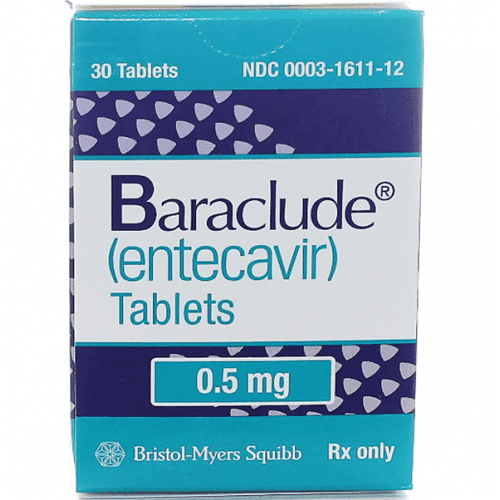
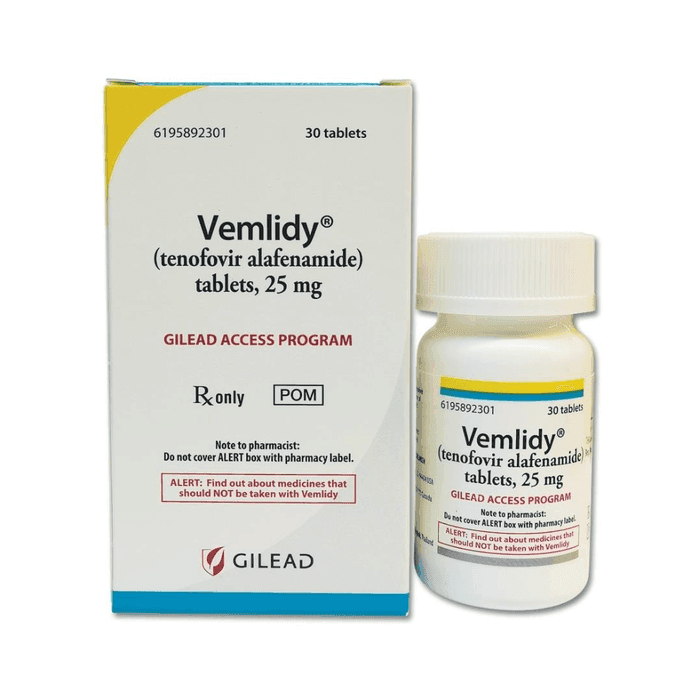
Book a telehealth visit to discuss Chronic Hepatitis B
Find a doctor
Speciality
State

Video Visit
$69

Video Visit
$69

Video Visit
$69

Video Visit
$69

Video Visit
$69

Video Visit
$69

Speciality: Dermatology, Family Medicine, Men's Health, Urgent Care, Women's health
Speaks: English, Spanish, French, Arabic, Portuguese
Video Visit
$69

Video Visit
$69

Video Visit
$69

Video Visit
$69

Video Visit
$69

Video Visit
$69
Frequently Asked Questions
What is chronic hepatitis B?
Chronic hepatitis B is a long-term infection with the hepatitis B virus (HBV). Clinicians usually use “chronic” when infection lasts more than six months. Some people have an inactive phase with low viral activity. Others have ongoing liver inflammation that needs closer follow-up. Many people have few symptoms, so monitoring often matters even when someone feels well. A clinician may review prior labs and imaging to understand liver risk over time.
What can I find on the Chronic Hepatitis B category page?
This category page groups condition-related resources in one place. It may include educational content, browsing links, and prescription-related listings tied to HBV care. The goal is to make terminology and options easier to compare. It can also help with visit preparation by highlighting common questions and documents to gather. Listings and resources vary, and a clinician decides what is clinically appropriate for each person.
What information is helpful to bring to a telehealth visit about hepatitis B?
For a smoother telehealth visit, it helps to gather a few records ahead of time. Useful items include recent lab results, imaging reports, and a current medication list. Include over-the-counter products and supplements. If available, bring prior hepatitis B test summaries, such as viral load or antigen results. It also helps to note other health conditions, pregnancy status, and any planned procedures that might affect care coordination.
Are prescriptions required for hepatitis B treatment options?
Many medications used for hepatitis B management require a prescription. A licensed clinician must evaluate the situation and decide whether a medication is appropriate. If a prescription is issued, a licensed pharmacy typically verifies it before dispensing. Requirements can vary by state and by medication type. Some people choose cash-pay access, often without insurance, depending on their circumstances. Always confirm pharmacy and documentation requirements before expecting fulfillment.
Can telehealth be used for chronic hepatitis B follow-up?
Telehealth can support parts of long-term HBV follow-up, especially when the focus is review and planning. A clinician may review symptoms, prior results, and medication history by video. They may also coordinate next steps, like ordering labs through appropriate local channels, when available in that care setting. Telehealth may not replace in-person exams or imaging when those are needed. The best format depends on medical history and current concerns.
When should someone seek urgent care with hepatitis B symptoms?
Urgent evaluation may be needed for signs of severe illness or complications. Examples include confusion, fainting, vomiting blood, black stools, severe abdominal swelling, or severe shortness of breath. Worsening jaundice (yellowing skin or eyes) with fever or intense abdominal pain also deserves prompt attention. These symptoms can have many causes, not only hepatitis B. For emergencies, seek immediate care through local emergency services rather than waiting for an online visit.