


Chronic Constipation
Care Options for Chronic Constipation
This category page helps patients and caregivers browse Chronic Constipation information and care options. It brings together symptoms, causes, and practical ways to compare resources. Use it to understand common terms before discussing next steps with a clinician.
Constipation can look different across people and ages. Some deal with hard stools, straining, or incomplete emptying. Others notice constipation and bloating, or alternating patterns like IBS-C (irritable bowel syndrome with constipation). This page also covers chronic idiopathic constipation (no clear cause found) and slow transit constipation (slower movement through the colon).
Visits happen by video with licensed U.S. clinicians on Medispress.
Chronic Constipation What You’ll Find
This browse page focuses on clear definitions and side-by-side comparisons. It explains chronic constipation symptoms in plain language and clinical terms. It also outlines chronic constipation causes that clinicians often review during a workup.
Many people want clarity on constipation diagnosis terms. This page explains Rome IV criteria (research-based symptom definitions) at a high level. It also covers the Bristol stool chart (stool form scale) for describing patterns. These tools can support clearer conversations, even before any treatment changes.
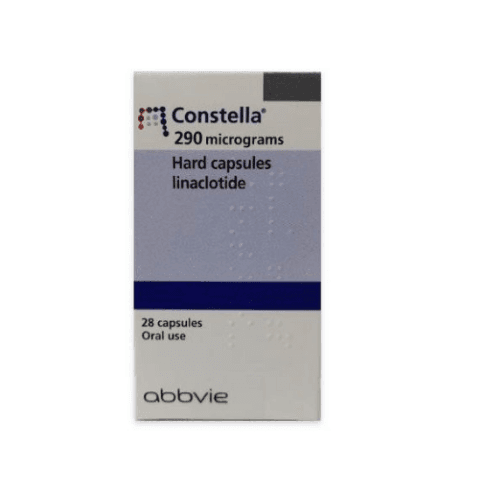
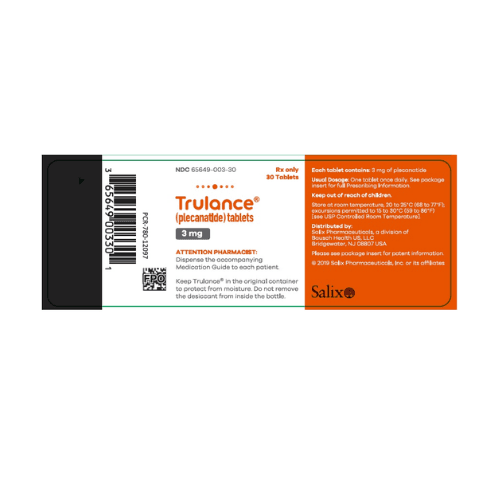
Expect practical overviews of chronic constipation treatment options. Content may cover constipation diet and fiber basics, including soluble versus insoluble fiber. It may also compare osmotic vs stimulant laxatives and include a stool softeners guide. Where relevant, it may summarize prescription categories and examples like linaclotide, lubiprostone, or prucalopride.
- Symptom checklists and common pattern descriptions
- High-level explanations of causes, including medication-related triggers
- Overviews of non-prescription options and prescription classes
- Constipation management tips for daily routines and tracking
- Pelvic floor dysfunction and constipation basics, plus care pathways
How to Choose
People often start by matching resources to the most likely pattern. This section helps with comparison, not self-diagnosis. It also highlights questions to save for a clinician visit.
Match the resource to the pattern
- Primary symptoms, like straining, pain, or a “blocked” feeling
- Stool form and frequency, using consistent descriptions over time
- Constipation and bloating severity, including what seems to trigger it
- Medication history, including opioids, iron, or anticholinergic medicines
- Possible IBS-C information needs, such as mixed bowel habits
- Signs of pelvic floor dysfunction (trouble relaxing pelvic muscles)
- Age-related factors, including constipation in older adults
Quick tip: Bring a short symptom log and Bristol chart notes to visits.
Questions to bring to a virtual visit
- Which causes fit the current history, and which are less likely?
- What “step-up” options exist if first approaches fail?
- How do osmotic options differ from stimulant options in general?
- What side effects or interactions matter with other conditions?
- When does pelvic floor physical therapy constipation care make sense?
- When does it help to see a gastroenterologist?
For visit planning basics, read Choosing A Virtual Visit. For conversation prompts, review Top Questions To Ask.
Safety and Use Notes
Safety depends on the full health picture and medication list. Chronic Constipation content here stays general and non-prescriptive. A clinician can connect symptoms with medical history and exam needs.
Resources may describe fiber supplements, hydration, and lifestyle approaches. They may also cover natural remedies for constipation, including common limitations. Some people also review low FODMAP for constipation with a nutrition professional. For a plain-language overview, see NIDDK constipation information.
Appointments run in our secure, HIPAA-compliant app for private discussions.
Medication information often includes general comparisons and caution points. For example, osmotic agents pull water into the bowel, while stimulant agents increase bowel activity. Stool softeners may get discussed for certain situations, but effects can vary. Prescription options may include agents like linaclotide, lubiprostone, or prucalopride, depending on the diagnosis and risks. For clinical definitions, review the ACG constipation guideline summary.
- Some options can cause diarrhea, dehydration, or electrolyte changes
- Kidney disease, heart conditions, and pregnancy can change safety considerations
- Older adults may face higher dehydration and fall risks with diarrhea
- Pelvic floor dysfunction may respond to biofeedback therapy (guided muscle retraining)
- New, severe symptoms may need urgent evaluation, not routine browsing
Access and Prescription Requirements
Some chronic constipation treatment options require a prescription. Chronic Constipation listings may include education plus pathways to clinician review. Prescribing decisions depend on symptoms, history, and state-specific rules.
Prescription access typically involves identity checks and a clinical intake. If a prescription is appropriate, a licensed pharmacy dispenses it under legal requirements. Pharmacies also verify prescriptions before dispensing medications. Cash-pay access, often without insurance, may apply for some services and medications.
Why it matters: A current medication list helps reduce interaction and duplication risks.
If telehealth is used, prep can make the visit smoother. See ‘Prescriptions Online Through Telehealth for the process overview. Use Virtual Doctor Visit Guide for expectations and documents. For technical setup, review Tech Troubles Tips.
When appropriate, clinicians can coordinate prescriptions with partner pharmacies under state rules.
- Prescription-only treatments require clinician review and authorization
- Availability can vary by state regulations and pharmacy fulfillment rules
- Some symptoms require in-person evaluation or specialist assessment
- Records from prior care can help clarify constipation diagnosis history
Related Resources
Chronic Constipation often overlaps with medication side effects and long-term condition management. If symptoms began after opioid use, browse Opioid Induced Constipation for condition-aligned options. For ongoing care planning across multiple diagnoses, visit Chronic Disease Management.
Telehealth resources can also support smoother navigation on Medispress. Use Telemedicine Services Overview for how visits work. Keep Virtual Appointment Checklist handy for day-of details. Many people also revisit hydration basics during constipation management, including Benefits Of Hydration.
- Condition collections for related causes and medication-linked patterns
- Telehealth preparation pages for documentation and visit flow
- General wellness resources that often relate to bowel habits
This content is for informational purposes only and is not a substitute for professional medical advice.

Find suitable medication for Chronic Constipation
Book a telehealth visit to discuss Chronic Constipation
Find a doctor
Speciality
State

Video Visit
$69

Video Visit
$69

Video Visit
$69

Video Visit
$69

Video Visit
$69

Video Visit
$69

Speciality: Dermatology, Family Medicine, Men's Health, Urgent Care, Women's health
Speaks: English, Spanish, French, Arabic, Portuguese
Video Visit
$69

Video Visit
$69

Video Visit
$69

Video Visit
$69

Video Visit
$69

Video Visit
$69
Frequently Asked Questions
What is included on this category page?
This page groups browsing tools for constipation-related care. It includes symptom and terminology explainers, plus common cause categories. It also covers non-prescription options and prescription classes at a high level. Many sections focus on planning for a clinician conversation. The goal is clearer comparisons, not self-diagnosis. Listings and availability can vary by state rules and clinical appropriateness.
How can I compare constipation treatment options without making assumptions?
Start with the problem pattern and the safety context. Compare what each option is for, and what risks it can raise. Check whether it is non-prescription or prescription-only. Note common side effects like diarrhea or cramping. Also note condition-specific cautions, such as kidney disease. Save “which is best” questions for a clinician. That keeps decisions tied to history, exams, and current medications.
What is chronic idiopathic constipation, and how is it defined?
Chronic idiopathic constipation means long-lasting constipation without a clear cause found. Clinicians often use symptom-based definitions like Rome IV criteria. These criteria describe frequency, stool form, and difficulty passing stool. They also consider how long the pattern has been present. Testing may depend on age, red flags, and medical history. A clinician decides whether the pattern fits idiopathic constipation or another condition.
What information should I prepare for a telehealth visit about constipation?
Bring a short symptom timeline and a medication list. Include over-the-counter products, supplements, and recent changes. Note stool form using the Bristol stool chart, if available. Include any recent illnesses, travel, or diet shifts. Add key medical history like thyroid disease, diabetes, or neurologic conditions. If constipation began after an opioid, note the start date. This information helps a clinician triage next steps safely.
When is urgent evaluation more appropriate than routine browsing?
Urgent evaluation matters when symptoms suggest a serious problem. Examples include severe or worsening abdominal pain, persistent vomiting, or blood in stool. Unexplained weight loss, fever, or new constipation in older adults can also raise concern. A sudden change in bowel habits with significant weakness needs prompt review. This page can support learning, but it cannot assess emergencies. A clinician can guide the safest next step.