


Chickenpox
Care Options and Resources for Chickenpox
Chickenpox is a common viral illness that causes an itchy, blister-like rash.
This category page supports patients and caregivers who need clear, practical context. It covers spread, typical timelines, and common questions that come up. It also connects to medication pages that explain prescription antivirals and topical antivirals.
Some cases are mild and self-limited, especially in healthy children. Other situations need closer attention, including pregnancy or weakened immunity. Use this collection to compare information and stay organized.
Medispress visits connect patients with licensed U.S. clinicians for telehealth evaluation.
Chickenpox What You’ll Find
This collection focuses on varicella, also called chickenpox, and how it commonly shows up. Many families want to understand the incubation period, early symptoms, and rash changes. The rash often moves through recognizable stages, from spots to fluid-filled blisters, then crusting. People also ask about immunity after infection and prevention options.
It also clarifies terms that can feel confusing at first. Varicella zoster virus (the virus that causes varicella and shingles) is the same virus involved in shingles later. That overlap explains why shingles comparisons come up in online searches. Vaccination details can matter for exposures, school policies, and household planning.
- Plain-language overview of the illness and likely timeline
- Key definitions, including exposure and prevention concepts
- Administrative planning topics like school or childcare exclusions
- Links to antiviral medication pages for deeper reading
Quick tip: Keep a short symptom timeline to share during a visit.
How to Choose
When comparing resources on this page, focus on what helps clarify chickenpox symptoms. Look for details that match real-world decisions families face. That includes how rash patterns differ from insect bites, eczema flares, or allergic reactions. It also includes the context that changes risk, such as age and immune status.
What to look for in a clear overview
- A simple explanation of how the rash usually evolves over days
- Notes on fever patterns and general comfort concerns
- Clear language on contagiousness and household spread
- Definitions of common terms like “exposure” and “immunity”
- High-level context on prevention, including vaccination discussions
- Balanced language that avoids absolute promises or shortcuts
Questions that help a clinician evaluate risk
During evaluation, clinicians often ask about timing and symptom changes. They may ask about known exposures, recent travel, or school outbreaks. They also ask about vaccination history when available. Pregnancy status and immune conditions often change urgency and options.
- When the first spots appeared and how the rash has changed
- Whether fever, cough, or shortness of breath occurred
- Any eye involvement, severe headache, or unusual sleepiness
- Skin changes that suggest secondary infection, like increasing redness
- Household contacts at higher risk, including infants or pregnant people
Safety and Use Notes
Medispress clinicians make the clinical decisions based on symptoms and risk.
Varicella can lead to complications, especially in certain groups. Higher-risk situations can include pregnancy, very young infants, and immune suppression. Adults also tend to have more severe illness than children, so age matters. It helps to keep the chickenpox contagious period in mind when planning school, work, and contact with vulnerable family members.
Watch for signs that need urgent evaluation rather than routine follow-up. Examples include trouble breathing, persistent vomiting, confusion, severe dehydration, or a rapidly worsening rash. Painful redness, warmth, and swelling can suggest a bacterial skin infection. Eye symptoms also deserve prompt attention, since irritation and swelling can worsen quickly.
Some families also want help distinguishing shingles from varicella. Shingles often affects one side of the body in a band-like pattern. Varicella more often spreads across the body in crops of spots. A clinician can help interpret these patterns during an evaluation.
For a neutral public health overview, see CDC Varicella Overview.
Why it matters: Risk factors change the safest next steps for care.
Access and Prescription Requirements
Telehealth visits on Medispress happen by video in a secure, HIPAA-aligned app.
Some medicines discussed for varicella-related care require a prescription. A clinician may consider an antiviral option based on timing, age, and risk factors. This page links to medication information so families can review common uses, key warnings, and interaction considerations. It supports informed discussion, not self-starting medicines.
Prescription verification and licensed dispensing requirements apply where medication is prescribed. When clinically appropriate, the clinician may coordinate prescription routing through partner pharmacies. State rules can affect what options are available and how prescriptions are handled.
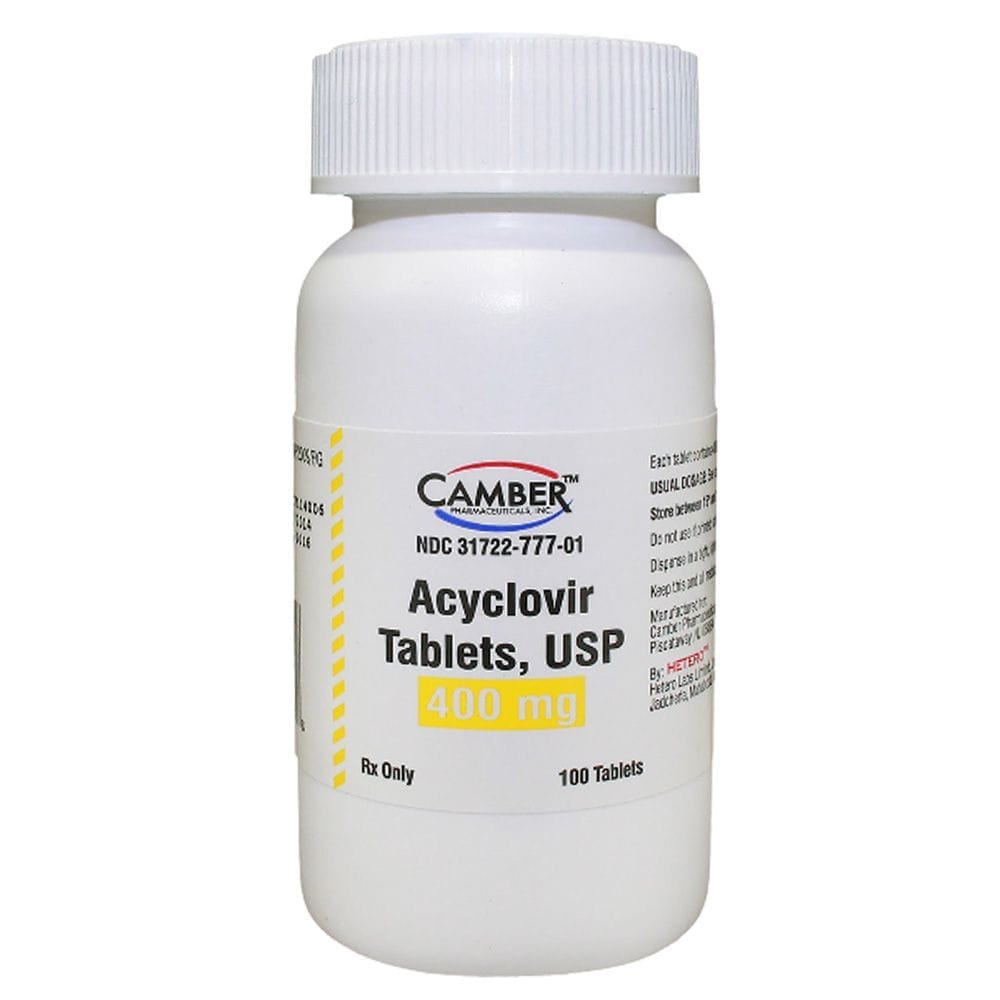
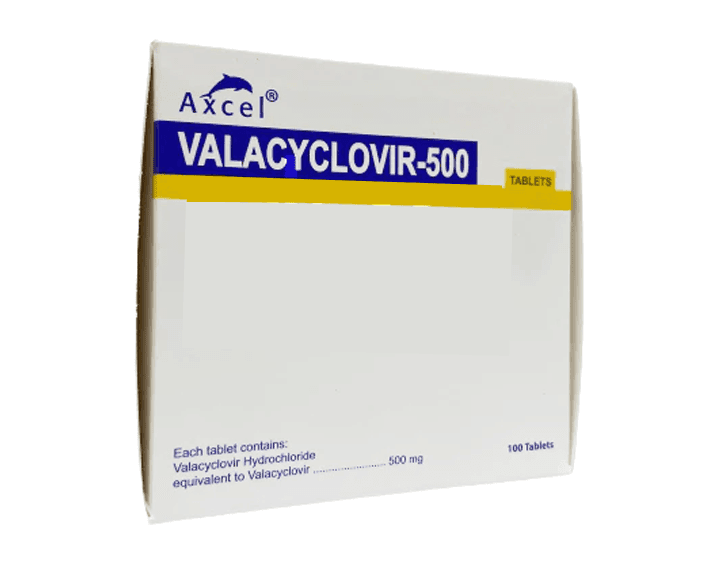
For medication background, browse Valacyclovir, Valtrex, or Valcivir. For topical antiviral references, see Zovirax Cream 5% and Zovirax Ointment 5%.
Access can be cash-pay, often without insurance, depending on the visit. Availability and prescription decisions vary by clinician judgment and state regulations. This section is meant to clarify how chickenpox treatment discussions may connect to prescriptions.
Related Resources
This collection works best when used alongside a clear symptom timeline and risk summary. Use it to understand key terms, review prevention language, and compare medication information. It also helps when families need consistent wording for school notes, childcare exclusions, or household exposure discussions. If new symptoms appear, or the rash changes quickly, a clinician can reassess the situation.
This content is for informational purposes only and is not a substitute for professional medical advice.

Find suitable medication for Chickenpox
Book a telehealth visit to discuss Chickenpox
Find a doctor
Speciality
State

Video Visit
$69

Video Visit
$69

Video Visit
$69

Video Visit
$69

Video Visit
$69

Video Visit
$69

Speciality: Dermatology, Family Medicine, Men's Health, Urgent Care, Women's health
Speaks: English, Spanish, French, Arabic, Portuguese
Video Visit
$69

Video Visit
$69

Video Visit
$69

Video Visit
$69

Video Visit
$69

Video Visit
$69
Frequently Asked Questions
What is varicella, and how is it related to shingles?
Varicella is the infection commonly called chickenpox. It is caused by the varicella zoster virus. After recovery, the virus can stay inactive in nerve tissue. Years later, it can reactivate and cause shingles. Shingles usually affects one area on one side. Varicella more often causes a widespread rash. A clinician can help interpret patterns and risk factors during evaluation.
What details are helpful when scheduling a telehealth visit for a rash?
It helps to share when symptoms began and how they changed. Include fever history, rash spread, and any breathing symptoms. If photos are available, use clear lighting and several angles. Add relevant health history, including immune conditions and pregnancy status. Also note recent exposure to known cases. These details help clinicians assess risk and decide what information matters next.
When can someone return to school or childcare after varicella?
Policies vary across schools and childcare programs. Many follow public health guidance tied to blister drying and crusting. Some settings also consider fever and the ability to participate normally. Families should confirm requirements with the school office. A clinician can document timing and symptom status when needed. Avoid assuming one rule fits every district or program.
Is illness typically different in adults compared with children?
Adults can have more severe symptoms than children. Fever and fatigue may last longer, and complications can be more common. Underlying health conditions can also change risk. This is one reason clinicians ask about age and medical history early. The same rash can still look different across people. Evaluation focuses on symptom pattern, timing, and risk factors.
What should be considered after exposure during pregnancy?
Varicella exposure during pregnancy can carry added risks. Timing in pregnancy and immune status both matter. Some people have immunity from past infection or vaccination. Others may need prompt clinical evaluation for next-step options. It helps to share the exposure date and any symptoms. Clinicians can advise on appropriate monitoring and documentation based on medical history.