


Chest Congestion
Care Options for Chest Congestion
Chest Congestion can make breathing feel heavy and coughing more frequent. It often comes with mucus in the chest and a wet cough. This collection gathers related condition pages and practical education in one place. It helps patients and caregivers compare common causes, comfort options, and questions for a clinician.
Symptoms can follow a cold, allergies, asthma, or acute bronchitis. Some people notice more rattling sounds or phlegm at night. Age, pregnancy, and chronic lung disease can change what is appropriate.
Visits are video-based with licensed U.S. clinicians.
Chest Congestion: What You’ll Find
This browse page focuses on common patterns tied to lower-airway mucus and cough. It also highlights terms that show up on labels and care guides. Expectorant (mucus-loosener) and antitussive (cough-suppressant) are two common examples.
Many people also deal with head pressure or a blocked nose. For side-by-side browsing, explore Congestion, Nasal Congestion, and Sinus Congestion. Separating chest versus nasal symptoms can make comparisons clearer.
Pages like this usually help with practical sorting. They surface what a product or resource is for. They also highlight common warnings and when extra caution matters. That can be helpful for adults, children, and during pregnancy.
- Plain-language symptom explanations and common triggers
- Differences between cough, chest mucus, and nasal blockage
- High-level over-the-counter (OTC) option categories
- Supportive comfort measures, like humidified air and fluids
- Common label terms, warnings, and interaction reminders
- Links to related respiratory and telehealth education
How to Choose
When comparing options for Chest Congestion, start with the main symptom pattern. Then consider safety details like age, other conditions, and current medicines. For a broader sense of virtual-care fit, review What Can Telehealth Treat as background context.
Quick tip: Keep a short symptom timeline for easier visit documentation.
Match the symptom pattern
- Wet cough versus mostly dry cough
- Thick mucus versus thin, easy-to-clear mucus
- Wheezing or tightness, especially with exertion
- Fever, chills, or body aches that suggest a viral illness
- Nighttime worsening and sleep disruption
- Known asthma, COPD, or frequent bronchitis history
- Clear exposure history, like smoke, dust, or allergens
- Duration and whether symptoms keep returning
Compare option types and label language
- Examine whether a product targets mucus, cough, or both
- Note decongestant vs expectorant differences on multi-symptom labels
- Check for duplicate ingredients across combination cold products
- Look for warnings tied to blood pressure, heart rhythm, or glaucoma
- Consider sedation risk for work, school, or driving demands
- Confirm child-specific labeling for pediatric use and dosing tools
- Review pregnancy and breastfeeding warnings before selecting anything
If uncertainty remains, a clinician can clarify which symptoms matter most. That includes sorting cough with phlegm from chest tightness or wheeze. It can also help when symptoms overlap with allergies or reflux. Bringing a current medication list often improves safety screening.
Safety and Use Notes
Cough with mucus can come from several causes, and symptoms can overlap. Viral colds and flu can also cause fever and fatigue. For general flu symptom definitions, see CDC Flu Symptoms. For an overview of bronchitis and cough with mucus, see ALA Bronchitis Overview.
Chest Congestion can also appear with wheezing, which needs careful attention. Some OTC products are not a good fit for everyone. Mixing products can accidentally double the same ingredient. That can raise side-effect risk, including sleepiness or fast heart rate.
- New or worsening shortness of breath at rest
- Chest pain, fainting, or a feeling of severe pressure
- Blue or gray lips, skin, or nail beds
- Wheezing that is new, severe, or getting worse
- Signs of dehydration, confusion, or unusual drowsiness
- High fever, or fever that keeps returning
- Symptoms that persist, especially with weight loss or night sweats
Appointments run in our secure, HIPAA-compliant app.
Access and Prescription Requirements
For Chest Congestion, some options are OTC, while others are prescription (Rx). The right pathway depends on symptoms and safety considerations. Some situations call for a clinician evaluation before trying new medicines. That is common for children, pregnancy, and chronic lung disease.
This page supports cash-pay access, often without insurance, where it is available. Pharmacies may require standard prescription verification and identity checks. Availability and prescription rules vary by state and product type.
- OTC products can be browsed without a prescription
- Rx treatments require a valid prescription from a licensed clinician
- Accurate allergy history supports safer ingredient selection
- A current medication list helps prevent ingredient duplication
- Preferred pharmacy information can reduce fulfillment delays
- Photo documentation may be needed for certain pharmacy policies
- State location can affect what services are permitted
Why it matters: Administrative details can shape what options appear and how quickly care proceeds.
If appropriate, clinicians can route prescriptions to partner pharmacies, following state regulations.
Related Resources
If Chest Congestion shows up alongside other symptoms, these reads can help. They focus on common overlaps that affect comfort and planning. Some cover breathing conditions, while others address common cold side effects.
- Telehealth For Asthma
- Healthy Lung Month 2025
- Common Types Of Headaches
- Dry Eye Relief Options
- Eye Pain Comfort And Care
These resources can make symptom tracking easier and reduce confusion. They also help clarify which concerns pair with breathing symptoms. Use them as a starting point for informed conversations and safer browsing.
This content is for informational purposes only and is not a substitute for professional medical advice.

Find suitable medication for Chest Congestion
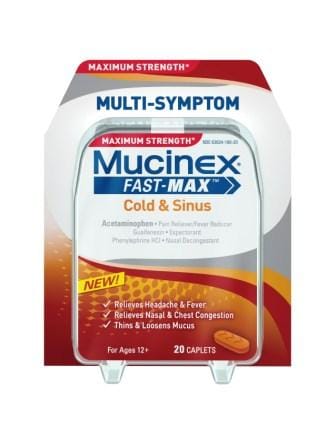
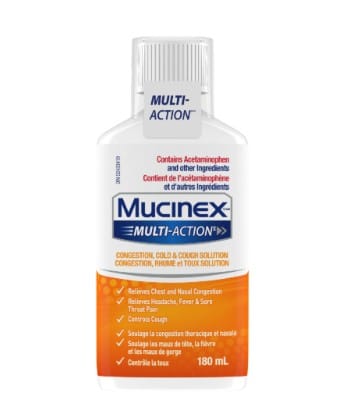


Book a telehealth visit to discuss Chest Congestion
Find a doctor
Speciality
State

Video Visit
$69

Video Visit
$69

Video Visit
$69

Video Visit
$69

Video Visit
$69

Video Visit
$69

Speciality: Dermatology, Family Medicine, Men's Health, Urgent Care, Women's health
Speaks: English, Spanish, French, Arabic, Portuguese
Video Visit
$69

Video Visit
$69

Video Visit
$69

Video Visit
$69

Video Visit
$69

Video Visit
$69
Frequently Asked Questions
What is chest congestion, and what does it feel like?
Chest congestion usually means mucus buildup and irritation in the lower airways. People may describe it as heaviness, rattling, or a productive wet cough. Some notice thick phlegm, frequent throat clearing, or chest tightness. Causes can include viral infections, allergies, asthma, or bronchitis. Symptom pattern matters, including fever, wheeze, and duration. A clinician can help interpret symptoms when breathing feels limited or worsening.
How is chest congestion different from nasal congestion?
Nasal congestion mainly involves swollen nasal passages and sinus pressure. Chest congestion points to mucus and inflammation lower in the airway tree. People often notice coughing and phlegm rather than a blocked nose. Both can happen during a cold, so symptoms can blend together. Sorting the main location helps when comparing product labels. Decongestants often target nose and sinus swelling, while expectorants focus more on loosening mucus.
What over-the-counter options are commonly used for chest mucus?
OTC options often include expectorants, cough suppressants, and multi-symptom cold products. Supportive tools like humidified air and warm fluids may also help comfort. Labels can vary, so it helps to look at active ingredients. Combination products can repeat ingredients found in other cold medicines. Some products are not recommended for children or during pregnancy. When there is wheezing, chest pain, or shortness of breath, clinical evaluation is important.
When should someone seek urgent care for chest congestion?
Urgent evaluation is often recommended for severe trouble breathing, chest pain, fainting, or blue lips. Worsening wheeze, confusion, or signs of dehydration can also be concerning. High fever, coughing up blood, or symptoms that persist despite basic care can warrant prompt review. Risk is higher for infants, older adults, pregnancy, and chronic lung or heart disease. Local urgent care or emergency services can assess oxygen levels and complications.
Can Medispress clinicians evaluate chest congestion by video?
Clinicians on Medispress can review symptoms by video, including cough pattern and related cold symptoms. Visits take place in a secure, HIPAA-compliant app. The clinician may ask about fever, wheezing, and medical history. They can also review current medications for interaction risks. If medication is appropriate, a clinician may coordinate prescription options through partner pharmacies. Final prescribing decisions depend on clinical judgment and state regulations.
What information should be ready before a visit about chest symptoms?
It helps to have a short symptom timeline, including start date and changes. Note whether cough is dry or productive, and any wheeze or chest tightness. List current medications, allergies, and major conditions like asthma or heart disease. If available, share temperature readings and any at-home test results. Having a preferred pharmacy listed can help with logistics. Clear details support safer screening and clearer next steps.