


Chemotherapy-Induced Anemia
Care Options for Chemotherapy-Induced Anemia
Anemia during cancer treatment can feel confusing and exhausting. Chemotherapy-Induced Anemia is a common supportive-care concern for patients and caregivers. This category page gathers practical resources to help with browsing and planning discussions. It focuses on common causes, symptom patterns, and care terms seen in oncology visits. It also explains how options may differ based on labs and overall treatment goals.
Why it matters: Lower red blood cells can worsen fatigue and limit daily function.
Medispress telehealth visits are handled by licensed U.S. clinicians.
Chemotherapy-Induced Anemia: What You’ll Find
This collection blends education with navigation to related medication information. It is built for supportive care conversations, not self-treatment decisions. Listings and resources often reference chemo anemia symptoms like fatigue, shortness of breath, dizziness, and reduced exercise tolerance. Content may also cover chemotherapy anemia causes, including marrow suppression, inflammation, bleeding, and nutrition changes.
Many people also want plain-language explanations of lab results. This page may reference hemoglobin (oxygen-carrying protein in red cells), reticulocyte count (young red blood cell measure), and iron studies. It may also define ferritin and transferrin saturation (TSAT, a measure of available iron). When anemia is mixed with inflammation, hepcidin (an iron-regulating hormone) can play a role.
- Symptoms and day-to-day impacts of anemia during chemotherapy
- Common patterns and risk factors chemotherapy anemia
- Key lab terms used in diagnosis of anemia in chemotherapy
- Overview language for ESA therapy in cancer and transfusions
- Administrative notes about access, prescriptions, and follow-up
How to Choose
Comparing resources is easier with a few consistent checkpoints. Management of chemotherapy-induced anemia depends on why hemoglobin is low and how symptoms affect function. Some resources emphasize iron deficiency vs anemia of inflammation, which can look similar. Others focus on symptomatic anemia management and supportive planning.
- Whether anemia appears sudden, gradual, or cycle-related
- Whether fatigue in cancer patients limits basic activities or work
- Evidence of blood loss, hydration changes, or poor intake
- Trends in hemoglobin and other complete blood count values
- Iron status signals, including ferritin and TSAT interpretation
- Any kidney disease history, which can affect red cell signals
- Medication and supplement list, including anticoagulants
- Past reactions to infusions or a red blood cell transfusion
Bring the right context
Clinicians often review anemia with a timeline view. A short written summary can reduce repeat questions and missed details. This also supports a more complete anemia workup oncology discussion.
- Chemo regimen name and most recent cycle dates
- Recent lab dates, plus any outside oncology clinic notes
- Current symptoms, with start date and what worsens them
- History of iron deficiency, ulcers, heavy bleeding, or surgery
- Known B12 or folate issues, when those apply
Questions to discuss with the oncology team
Resources can also help with shared vocabulary. Useful questions include how monitoring hemoglobin levels is handled between cycles. Another topic is hemoglobin targets in oncology, which can differ by situation.
- Which labs matter most for the suspected cause of anemia
- Whether iron supplementation in cancer is being considered
- When intravenous iron therapy is preferred over oral iron
- When erythropoiesis-stimulating agents might be discussed
- How transfusion decisions are made for symptoms and timing
Safety and Use Notes
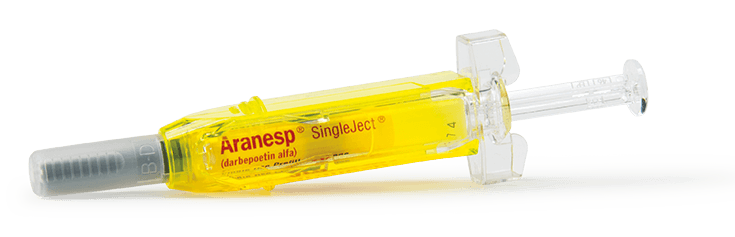
Safety context matters because anemia options carry tradeoffs. In Chemotherapy-Induced Anemia, the main categories discussed include iron repletion, erythropoiesis-stimulating agents, and transfusion support. ESAs can include epoetin alfa for anemia and darbepoetin alfa, used under specific oncology criteria. These drugs have important warnings, including thromboembolic risk ESAs (blood clot risk).
Medispress clinicians make clinical decisions based on the full medical picture.
Transfusions can raise hemoglobin quickly, but they have their own risks. Reactions, volume overload, and rare infections are part of standard counseling. Iron therapy can also cause side effects, and IV products require monitoring. When functional iron deficiency is suspected, inflammation can block iron use despite normal stores.
- Review allergy history and prior infusion reactions when comparing options
- Ask how clot risk is assessed before considering ESA therapy in cancer
- Confirm how follow-up labs are used for monitoring hemoglobin levels
- Check which symptoms should prompt urgent evaluation, not routine review
- Look for references aligned with guidelines ASCO NCCN anemia
For patient-friendly guidance, see this ASCO resource: Anemia Side Effects Overview.
For official safety language, review this FDA page: Erythropoiesis-Stimulating Agents Safety Information.
Access and Prescription Requirements
Some supportive care options for Chemotherapy-Induced Anemia are prescription-only. When prescriptions are involved, licensed pharmacies typically verify the prescription before dispensing. Coverage varies, so some patients use cash-pay options, sometimes without insurance. Availability and rules can differ by state and medication type.
Quick tip: Keep one updated list of meds, allergies, and labs.
Visits are commonly completed by video in a secure, HIPAA-focused app. When clinically appropriate, providers may coordinate prescription options through partner pharmacies. That coordination follows state regulations and pharmacy policies.
- Bring recent labs if available, especially CBC and iron studies
- Have the current cancer treatment plan and cycle dates available
- List all supplements, including iron, B12, and herbal products
- Confirm preferred local pharmacy details when applicable
- Expect identity and medical history questions for safe prescribing
Related Resources
Supportive care during chemotherapy often involves several symptom areas. Chemotherapy-Induced Anemia may be discussed alongside nausea control, infection prevention, and hydration planning. For medication background that may appear in broader chemo care plans, browse Ondansetron and Neulasta Prefilled Syringe. These pages focus on medication basics and typical prescribing context.
This collection also aims to support patient education chemotherapy anemia discussions. It can help clarify terminology seen in after-visit summaries, like anemia labs reticulocyte count. It can also frame questions about managing anemia without transfusion when that is a goal. For some patients, palliative care supportive anemia language may appear in care plans, focusing on comfort and function.
This content is for informational purposes only and is not a substitute for professional medical advice.

Find suitable medication for Chemotherapy-Induced Anemia
Book a telehealth visit to discuss Chemotherapy-Induced Anemia
Find a doctor
Speciality
State

Video Visit
$69

Video Visit
$69

Video Visit
$69

Video Visit
$69

Video Visit
$69

Video Visit
$69

Speciality: Dermatology, Family Medicine, Men's Health, Urgent Care, Women's health
Speaks: English, Spanish, French, Arabic, Portuguese
Video Visit
$69

Video Visit
$69

Video Visit
$69

Video Visit
$69

Video Visit
$69

Video Visit
$69
Frequently Asked Questions
What is included on this Chemotherapy-Induced Anemia category page?
This page brings together browsing links and education for supportive cancer care. It may cover chemo anemia symptoms, common causes, and basic lab terms. It may also reference care approaches like iron repletion, ESAs, and transfusion support. Content is written for patients and caregivers who want clearer terminology. It is not a treatment plan. Clinical decisions depend on history, labs, cancer type, and overall goals.
What information is helpful for reviewing anemia during chemotherapy?
Clinicians often start with the symptom timeline and lab trends. A current medication and supplement list helps identify contributors and interactions. Recent CBC values, including hemoglobin, are usually reviewed over time. Iron studies may include ferritin and transferrin saturation, sometimes called TSAT. Notes about bleeding, appetite changes, or kidney disease can add context. Past transfusions or infusion reactions also matter for safety discussions.
How are ferritin and transferrin saturation used in anemia workups?
Ferritin reflects stored iron, but it can rise with inflammation. Transferrin saturation, often shortened to TSAT, reflects available iron for red cell production. In cancer care, both may be interpreted together with other markers. Functional iron deficiency can occur when inflammation limits iron use. Some teams also consider hepcidin, an iron-regulating hormone, in research contexts. A clinician interprets these results based on symptoms and the full blood count.
What are erythropoiesis-stimulating agents, and what are key risks?
Erythropoiesis-stimulating agents, often called ESAs, signal the body to make more red blood cells. Examples include epoetin alfa and darbepoetin alfa in certain oncology settings. They are not right for every patient or situation. Safety concerns include higher risk of blood clots and other serious complications. They also have specific prescribing criteria and monitoring expectations. A clinician weighs benefits and risks using cancer type, goals of care, and guideline recommendations.
When is a red blood cell transfusion discussed in cancer supportive care?
A red blood cell transfusion may be discussed when anemia is severe or symptoms are limiting function. It can raise hemoglobin quickly, which may help some symptoms. Transfusions also carry risks, including reactions and fluid overload. They require matching, administration at a facility, and post-infusion monitoring. The decision often considers timing with chemotherapy, overall health, and symptom severity. The oncology team sets the plan and explains alternatives when appropriate.