


Cerebral Vasospasm
Care Options and Resources for Cerebral Vasospasm
This category page gathers practical references related to Cerebral Vasospasm for patients and caregivers. It focuses on common terms seen during neurocritical care and recovery planning. Many discussions involve cerebral vasospasm after subarachnoid hemorrhage, including aneurysmal subarachnoid hemorrhage vasospasm. Care teams may watch for delayed cerebral ischemia (reduced brain blood flow injury). The goal here is to help with browsing and understanding language.
Use this collection to compare topics like causes, risk factors, and imaging terms. It also links to medication pages that explain what a drug is, in plain language. These pages are not a substitute for medical evaluation. They can help prepare better questions for a clinician.
Cerebral Vasospasm What You’ll Find
This page brings together condition-aligned resources and medication references in one place. It supports reading hospital notes and following a care plan across settings. Expect clear explanations of monitoring phrases and procedure names. The focus stays on definitions and navigation, not step-by-step treatment decisions.
Many people start by clarifying what “vasospasm” means and why it matters. Others look up cerebral vasospasm symptoms and how they differ from other neurologic problems. Some browse cerebral vasospasm causes, including links to bleeding patterns and inflammation. You may also see how cerebral vasospasm diagnosis is described with imaging and bedside monitoring.
Visits are completed by video through a secure, HIPAA-focused Medispress app.
- Plain-language explanations of common inpatient terms and acronyms
- Overviews of monitoring tools like transcranial Doppler (TCD) ultrasound
- Notes on cerebral vasospasm imaging, including CT and angiography language
- High-level care options, including nimodipine therapy and procedures
- Context for complications, timelines, and follow-up documentation
How to Choose
Information around Cerebral Vasospasm can look different across hospitals and follow-ups. This section helps compare resources by what they clarify. It also highlights what is usually “nice to know” versus “must know.” Use it to stay organized while browsing pages on Medispress.
Match the resource to the clinical setting
- Inpatient monitoring: look for terms like vasospasm monitoring protocols and neurocritical care vasospasm.
- Imaging reports: prioritize definitions for CT, CTA, and cerebral angiography vasospasm wording.
- Procedure notes: check explanations for endovascular treatment for vasospasm and who performs it.
- Medication discussions: focus on indications, safety warnings, and follow-up requirements.
- Recovery planning: look for sections on complications and prognosis language.
Bring the right information to a clinician
- Key dates, including the bleeding event date and ICU discharge date
- Any mention of cerebral vasospasm timeline or “day post-bleed” language
- Grading terms, including Fisher scale vasospasm risk (CT-based bleeding grade)
- Monitoring summaries, including transcranial Doppler monitoring trends
- Medication lists, allergies, and recent blood pressure readings if provided
Quick tip: Keep discharge papers and imaging summaries in one folder.
Safety and Use Notes
Cerebral vasospasm management is usually discussed in the context of stroke risk. That is why teams emphasize monitoring and quick response to changes. It can be helpful to learn the difference between a symptom and a test result. A “spasm” can be suspected before it is confirmed.
If Cerebral Vasospasm follows bleeding around the brain, timing often matters. Notes may mention a risk window during the first two weeks. Clinicians may use bedside checks plus imaging to guide decisions. Common terms include delayed cerebral ischemia and neurologic exam changes.
Why it matters: Small changes can be subtle, so teams track trends.
- Urgent warning signs: sudden weakness, trouble speaking, severe confusion, or loss of consciousness
- Common monitoring: frequent neurologic exams and transcranial Doppler monitoring
- Common imaging: CT, CTA, and cerebral angiography when needed
- Procedure terms: balloon angioplasty vasospasm (balloon widening) and intra-arterial vasodilators
- Care references: cerebral vasospasm guidelines and vasospasm grading language
Licensed U.S. clinicians review records and make the clinical decisions.
For clinical guideline context, review the AHA/ASA subarachnoid hemorrhage guidance. Sources like these explain how hospitals often describe monitoring and treatment pathways. They also outline why symptom changes are treated seriously. This page stays educational and browsing-focused.
Access and Prescription Requirements
Care discussions may include medicines, procedures, and close monitoring. For Cerebral Vasospasm, any prescription medication still requires a clinician’s assessment. Some medications are started in the hospital and continued after discharge. Others may be discussed but not used in every case.
When medication is appropriate, pharmacies dispense under state and federal rules. Verification steps may include confirming identity and prescription details. Some options are cash-pay, often without insurance, depending on the plan. Availability can also depend on location-specific regulations.
- Bring a current medication list, including over-the-counter products and supplements
- Share allergy history and any prior medication reactions
- Have discharge summaries available, especially ICU and neurosurgery notes
- Know the name of the diagnosing facility and any follow-up appointments
- Expect questions about symptoms, timing, and any recent imaging results
When appropriate, prescriptions may be sent to partner pharmacies, following state rules.
Related Resources
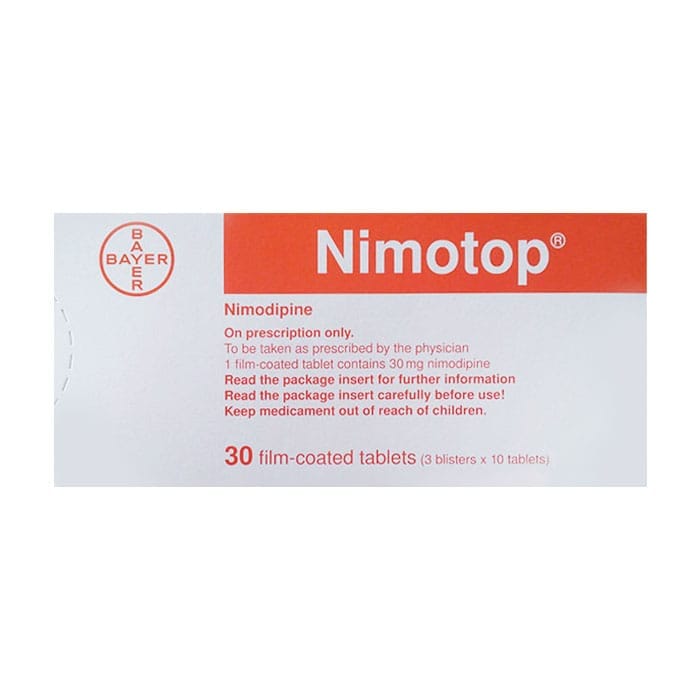
People browsing Cerebral Vasospasm often want quick clarity on medication names and purpose. The Nimotop Medication Page explains nimodipine therapy in everyday terms. For official labeling details, see the FDA prescribing information database. Some caregivers also review cognitive medication references separately, such as the Aricept Medication Page, when memory concerns come up later.
- Learn the difference between vasospasm and delayed cerebral ischemia
- Clarify what transcranial Doppler results can and cannot show
- Understand why cerebral angiography is sometimes mentioned
- Get familiar with terms used in monitoring protocols and daily notes
This content is for informational purposes only and is not a substitute for professional medical advice.

Find suitable medication for Cerebral Vasospasm
Book a telehealth visit to discuss Cerebral Vasospasm
Find a doctor
Speciality
State

Video Visit
$69

Video Visit
$69

Video Visit
$69

Video Visit
$69

Video Visit
$69

Video Visit
$69

Speciality: Dermatology, Family Medicine, Men's Health, Urgent Care, Women's health
Speaks: English, Spanish, French, Arabic, Portuguese
Video Visit
$69

Video Visit
$69

Video Visit
$69

Video Visit
$69

Video Visit
$69

Video Visit
$69
Frequently Asked Questions
What is cerebral vasospasm in plain language?
Cerebral vasospasm means brain arteries narrow more than expected. This narrowing can reduce blood flow to brain tissue. It is most often discussed after subarachnoid hemorrhage. Notes may also mention “delayed cerebral ischemia,” which is related harm from low flow. Hospitals track symptoms, exam changes, and monitoring results together. A clinician determines what the findings mean in context.
What terms might show up in notes about vasospasm?
Common terms include aneurysmal subarachnoid hemorrhage vasospasm and delayed cerebral ischemia. You may see “Fisher scale,” which grades blood on CT scans. Notes can include “transcranial Doppler” or “TCD” monitoring results. Imaging terms may include CTA, CT perfusion, or cerebral angiography. Procedure terms may include balloon angioplasty or intra-arterial vasodilators. A clinician can explain which items mattered most for that situation.
How is vasospasm monitored in many hospitals?
Teams often combine frequent neurologic exams with bedside monitoring. Transcranial Doppler (TCD) ultrasound is one tool used in some units. Imaging may be added when symptoms change or risk is higher. CT-based tests can look for bleeding patterns and blood flow changes. Cerebral angiography may be used when detailed vessel views are needed. Monitoring choices depend on the clinical setting and local protocols.
Where does nimodipine fit in discussions after subarachnoid hemorrhage?
Nimodipine is commonly discussed after subarachnoid hemorrhage. It is a prescription medication, so a clinician must decide if it applies. People may hear it mentioned alongside monitoring for delayed cerebral ischemia. It is not a do-it-yourself medication change. Official labeling explains approved uses and key warnings. Reviewing a medication reference page can help clarify the name, purpose, and safety points.
When is cerebral vasospasm considered an emergency concern?
Any sudden neurologic change should be treated as urgent. Examples include new weakness, facial droop, trouble speaking, severe confusion, or fainting. A very severe “worst headache” can also be a warning sign. These symptoms can have many causes, not just vasospasm. Emergency services can evaluate and route to appropriate care. Do not wait for an online explanation if symptoms are severe or sudden.