


Central Precocious Puberty
Care Options for Central Precocious Puberty
Early physical changes can raise urgent questions for families. Central Precocious Puberty is one cause of early puberty in children, and it can affect growth and wellbeing.
This category page supports practical planning and informed conversations. It covers signs of early puberty, common testing steps, and what follow-up may look like over time.
Why it matters: Early puberty can affect adult height and daily confidence.
Visits on Medispress are completed by licensed U.S. clinicians over video.
Central Precocious Puberty What You’ll Find
This browse page focuses on the “central” form of early puberty. In this form, the brain signals the ovaries or testes to start puberty earlier than expected. Many clinicians use age cutoffs like before 8 in girls and before 9 in boys, alongside the full picture.
The sections below outline how a pediatric endocrinology evaluation is typically framed. Expect plain-language explanations of terms like Tanner staging (a scale of physical development) and growth velocity monitoring (tracking height changes over time). The goal is to clarify what details matter, and why clinicians may ask for them.
Information included on this page may cover:
- Common body changes and central precocious puberty symptoms families often notice
- How clinicians compare central vs peripheral precocious puberty during evaluation
- Testing that may include bone age assessment (an X-ray for skeletal maturity)
- Lab patterns such as LH and FSH levels, and what they suggest
- When a GnRH stimulation test (pituitary response test) may be discussed
- When brain MRI for precocious puberty may be considered, based on context
- High-level treatment for central precocious puberty, plus monitoring and outcomes
How to Choose
Families often arrive here with a mix of questions and notes. Central Precocious Puberty evaluations tend to move faster when key details are organized. That helps a clinician understand timing, pace, and possible causes.
What to gather before a visit
- Growth records, including recent heights, weights, and dates measured
- Timing of first changes, like breast development or testicular enlargement
- Skin and hair changes, including acne or new body odor
- Any vaginal bleeding, discharge, or new genital changes
- Headaches, vision changes, or neurologic symptoms worth flagging promptly
- Family history of early puberty, thyroid disease, or endocrine conditions
- Medication and supplement list, including hormone exposures in the home
- Prior labs or imaging reports, if testing already started
Quick tip: Bring a short timeline with dates, not just general months.
How to compare information on this page
- Clear definitions of onset and pace, not just one age cutoff
- Explanations of testing terms, without assuming medical background
- Notes on what a physical exam may include, and why
- Guidance on when to see a pediatric endocrinologist for specialist input
- Balanced discussion of potential causes, including idiopathic (no clear cause)
- Attention to psychosocial effects of early puberty at school and home
- Follow-up and outcomes, including monitoring puberty progression over time
Safety and Use Notes
Information online can make this topic feel binary and alarming. In practice, clinicians weigh patterns across history, exam, and tests. They also consider whether findings fit central activation or another pathway.
For some children, clinicians may discuss treatment options that pause pubertal signaling. These are often described as GnRH agonist therapy, and can include leuprolide injections or a histrelin implant. Decisions depend on age, pace of changes, bone age findings, growth patterns, and family goals.
Appointments are handled through a secure, HIPAA-compliant Medispress app.
General considerations that may come up in care discussions include:
- How bone age compares with chronological age, and what that can imply
- Whether an underlying cause is suspected, such as hypothalamic hamartoma (benign tissue growth) or pituitary disorders in children
- When imaging is mentioned, and what a brain MRI can and cannot answer
- How growth velocity monitoring is tracked during follow-up visits
- Possible short-term effects of therapy, and what to report to clinicians
- Emotional and social stressors, including privacy concerns and peer comments
Sleep changes can add strain during stressful medical workups. For separate sleep concerns, see Excessive Daytime Sleepiness Guide.
Access and Prescription Requirements
Care for Central Precocious Puberty may involve prescriptions, labs, and follow-up planning. Some therapies require specialty handling or in-clinic administration. Requirements can vary by medication and by state rules.
Medispress supports cash-pay access, often without insurance, when appropriate. Prescription needs are verified where required, and dispensing follows licensed pharmacy standards.
When clinically appropriate, clinicians may coordinate prescriptions through partner pharmacies, subject to state regulations.
Administrative items that often help visits run smoothly include:
- Parent or legal guardian contact details and identity verification
- A preferred pharmacy on file, when medication may be discussed
- School schedule constraints that may affect appointment timing
- Copies of growth charts, lab results, and radiology reports if available
- A list of questions for the clinician, including follow-up expectations
- Notes on prior specialist visits, referrals, or care coordination needs
Some families also ask about care logistics if treatment is paused later. Follow-up planning often includes what changes to watch for, and how outcomes are documented over time.
Related Resources
It can help to read about common, overlapping wellbeing concerns. Stress, sleep disruption, and appetite changes can show up alongside medical uncertainty. These resources are not specific to puberty, but they may support day-to-day coping.
For a broader overview that matches many clinical guidelines precocious puberty discussions, see the Endocrine Society overview of precocious puberty.
For a general medical reference on evaluation basics, see the MedlinePlus precocious puberty reference.
For related reading on sleep and health habits, browse Telehealth For Insomnia and Binge Eating Disorder Guide. Central Precocious Puberty care can also include support for stress and self-image.
This content is for informational purposes only and is not a substitute for professional medical advice.

Find suitable medication for Central Precocious Puberty
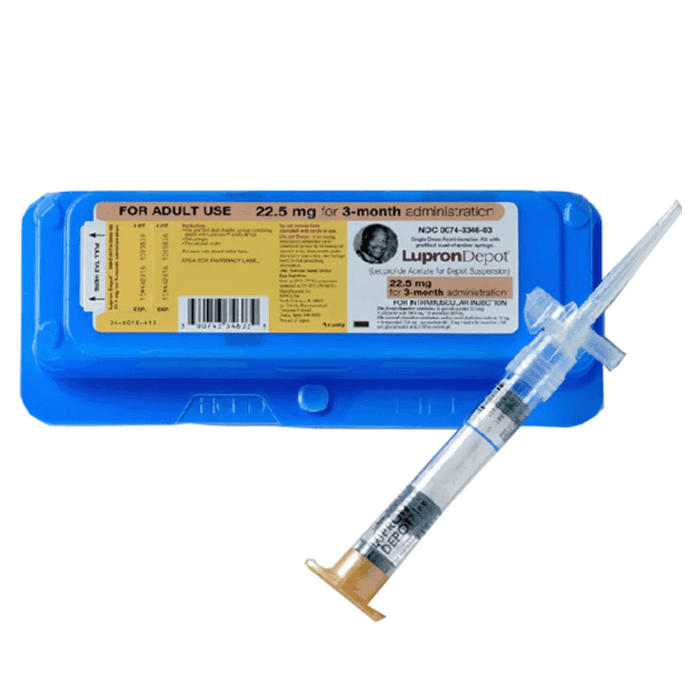
Book a telehealth visit to discuss Central Precocious Puberty
Find a doctor
Speciality
State

Video Visit
$69

Video Visit
$69

Video Visit
$69

Video Visit
$69

Video Visit
$69

Video Visit
$69

Speciality: Dermatology, Family Medicine, Men's Health, Urgent Care, Women's health
Speaks: English, Spanish, French, Arabic, Portuguese
Video Visit
$69

Video Visit
$69

Video Visit
$69

Video Visit
$69

Video Visit
$69

Video Visit
$69
Frequently Asked Questions
What will I find on this category page?
This page brings together practical information for families navigating early puberty concerns. It summarizes common signs, typical evaluation steps, and terms that may appear in notes. It also explains why clinicians may order labs, imaging, or follow-up tracking. Use it to compare topics and organize questions for a visit. Clinical decisions and diagnoses should always come from a qualified pediatric clinician, often a pediatric endocrinologist.
What information is most helpful for evaluating early puberty?
Clinicians usually look for timing and pace of body changes, plus growth patterns. A dated height and weight history is often very useful. Notes about acne, body odor, breast development, or testicular changes can help too. They may also ask about headaches, vision changes, or medicine exposures. Prior lab results and bone age reports can reduce repeat work. A specialist may combine these details with an exam and targeted testing.
What tests are commonly discussed for central precocious puberty?
A workup may include a bone age assessment, which estimates skeletal maturity. Blood tests may look at hormones like LH and FSH levels. In some cases, clinicians discuss a GnRH stimulation test to clarify whether signaling is coming from the brain. Pelvic ultrasound may be mentioned for some patients, depending on symptoms. Testing choices depend on age, exam findings, and how quickly puberty seems to be progressing.
When might an MRI be considered in early puberty?
A brain MRI is not automatically required for every child with early puberty signs. Clinicians may consider imaging when the history or exam suggests a higher chance of an underlying cause. Examples include certain neurologic symptoms or very early onset. Imaging may also be discussed to look for rare causes like hypothalamic hamartoma or other pituitary and brain-region concerns. A pediatric endocrinologist helps decide when imaging adds value.
How do prescriptions work for medications used to pause puberty?
Some treatments discussed for early puberty require a prescription and careful handling. A licensed clinician must determine whether medication is appropriate. When a prescription is issued, pharmacies verify and dispense medication under state and federal rules. Some therapies are given as injections or implants, which may involve in-person administration. Coverage and payment can vary, and some families use cash-pay options. Coordination often includes follow-up plans and documentation.