


Candidiasis
Care Options for Candidiasis
Many people use “yeast infection” as a catch-all for irritation and discharge. Candidiasis is the medical name for yeast overgrowth caused by Candida species. It can involve the vagina, mouth, skin folds, or less commonly the bloodstream. This category page helps patients and caregivers browse symptom context, common risk factors, and medication information. It also helps sort similar conditions, like yeast infection vs bacterial vaginosis.
Some pages focus on vaginal yeast infection and vulvovaginal candidiasis. Others cover oral thrush in adults, oral thrush in babies, and diaper rash candida. You will also see terms for skin involvement, like candida intertrigo, cutaneous candidiasis, and balanitis candida. For serious illness terms, invasive candidiasis and candidemia appear in clinical summaries.
Medispress visits connect patients with licensed U.S. clinicians by video.
Candidiasis: What You’ll Find
This collection brings together practical browsing tools for common yeast-related concerns. It covers yeast infection symptoms, likely causes, and when irritation may point elsewhere. It also introduces Candida albicans, the most common species in many cases. You may also see Candida auris, which raises different infection-control concerns.
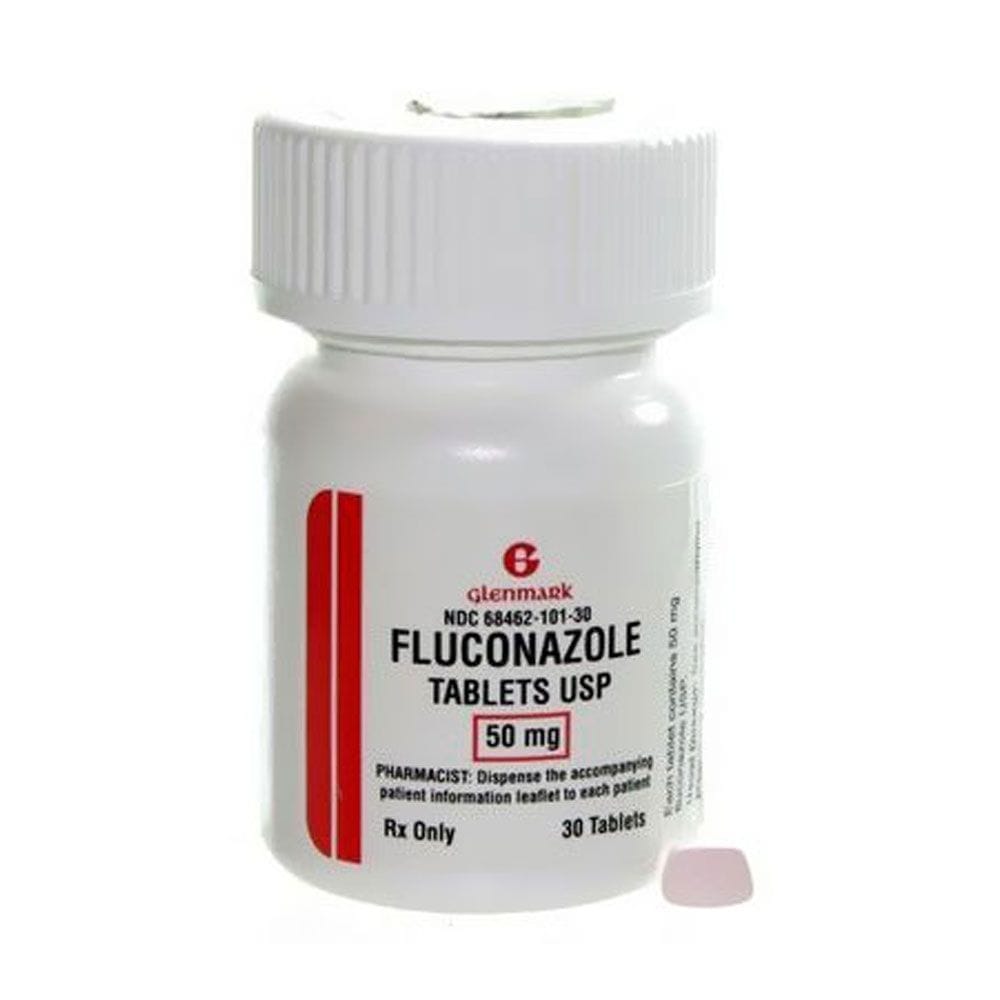
Medication pages explain what a drug is, which forms exist, and common use limitations. They also note high-level safety topics and common interactions to discuss. Examples in this space include fluconazole for yeast infection and nystatin for thrush. The goal is clarity while browsing, not self-treatment instructions.
Why it matters: Similar symptoms can come from yeast, bacteria, irritation, or skin conditions.
- Plain-language overviews of yeast-related conditions across body sites
- Common causes of candidiasis and candidiasis risk factors, in everyday terms
- Notes on recurrent yeast infection patterns and typical follow-up needs
- Background on antifungal medications for candidiasis, by route and form
- Definitions for less common terms, including esophageal candidiasis and candidemia
How to Choose
Start by matching the information to the body area involved. Vaginal symptoms, mouth patches, and skin fold rashes often need different context. Candidiasis often looks like dermatitis, bacterial imbalance, or medication side effects. Browsing with a few decision points can reduce confusion.
Match the body site and symptom pattern
- Location: vulva and vagina, mouth, diaper area, groin, or skin folds
- Symptom type: itch, burning, thick discharge, cracking, or white mouth patches
- Timing: first episode versus recurrent symptoms over months
- Triggers: antibiotics and yeast infection links, new hygiene products, or friction
- Health context: diabetes and candidiasis risk, immune suppression, or pregnancy status
Use medication pages to frame better clinician questions
- Form: topical creams, oral tablets, lozenges, or swish-and-swallow liquids
- Interaction risks: other prescriptions, supplements, and liver history
- Age-specific issues: infants, older adults, and swallowing difficulties
- Scope: local infection language versus invasive infection language
- Limits of “natural” approaches, including home remedies for yeast infection claims
Safety and Use Notes
Many yeast infections are uncomfortable but not dangerous. Still, symptoms can overlap with other problems that need different care. Some antifungals can interact with prescription medicines or affect the liver. A clinician can help interpret those risks in context.
Appointments run in a secure, HIPAA-compliant app for private medical communication.
For Candidiasis, antifungal medicines may be topical, oral, or sometimes intravenous. The safest choice depends on the infection site and the person’s health history. Recurrent symptoms may need a broader review of triggers and diagnoses. Probiotics for candidiasis have mixed evidence, so expectations should stay realistic.
- Avoid sharing leftover prescriptions or using someone else’s medication
- Note allergy history and past reactions to azole antifungals
- Ask about pregnancy and breastfeeding considerations when browsing options
- Use caution with “home remedy” ingredients that can irritate tissue
- Learn red-flag language linked to invasive disease and candidemia
For a plain-language overview, see CDC guidance on vaginal yeast infections.
For information on an emerging species, see CDC’s Candida auris overview.
Quick tip: When browsing, write down symptom timing and recent antibiotics.
Access and Prescription Requirements
Some antifungal options are over the counter, while others require a prescription. The rules depend on the medication and the condition being treated. This browse page helps clarify which items are typically Rx-only. It also explains why prescription verification matters for safety.
When appropriate, clinicians can send prescriptions to partner pharmacies, depending on state rules.
For possible Candidiasis, some situations still need in-person evaluation. Examples include severe illness symptoms, trouble swallowing, or concerns for bloodstream infection. Telehealth can be a starting point for many uncomplicated concerns. Medispress also supports cash-pay access, often without insurance, when available.
- Prescription-only products require a licensed clinician’s authorization
- Pharmacies must dispense through licensed channels and verify prescriptions
- Visits may review symptoms, medication lists, and relevant health history
- Some cases need referral for in-person care based on clinical screening
- Payment may be cash-pay, including options without insurance in some cases
Related Resources
This section helps connect symptom questions with nearby topics in vaginal health. Use this page to keep Candidiasis terms straight while browsing medication information. For menopause-related vaginal symptoms that can mimic irritation, the Estring Vaginal Ring page explains a local estrogen option and its usual role. It is not an antifungal, but it may come up in differential conversations.
For deeper reading, look for pages that define vulvovaginal candidiasis, oral thrush, and skin-fold rashes. It can also help to compare “is yeast infection contagious” explanations with real-world transmission risk. Prevention of yeast infections topics often focus on moisture control, antibiotic stewardship, and chronic condition management. When a label mentions esophageal candidiasis or candidemia, it signals a different level of concern.
This content is for informational purposes only and is not a substitute for professional medical advice.

Find suitable medication for Candidiasis
Book a telehealth visit to discuss Candidiasis
Find a doctor
Speciality
State

Video Visit
$69

Video Visit
$69

Video Visit
$69

Video Visit
$69

Video Visit
$69

Video Visit
$69

Speciality: Dermatology, Family Medicine, Men's Health, Urgent Care, Women's health
Speaks: English, Spanish, French, Arabic, Portuguese
Video Visit
$69

Video Visit
$69

Video Visit
$69

Video Visit
$69

Video Visit
$69

Video Visit
$69
Frequently Asked Questions
What kinds of conditions are included under candidiasis?
Candidiasis is a broad term for infections caused by Candida yeast. Pages in this category may cover vaginal yeast infection, oral thrush, and skin conditions. Skin examples include candida intertrigo and diaper-area yeast rashes. Some entries also define invasive candidiasis and candidemia, which are far less common. The goal is to help patients and caregivers browse by body site, symptom pattern, and typical medication types.
How is a yeast infection different from bacterial vaginosis?
Yeast infections and bacterial vaginosis can both cause vaginal discomfort. They often differ in discharge features, odor, and triggers. Yeast is linked to Candida overgrowth, while bacterial vaginosis involves bacterial imbalance. Because symptoms overlap, a label alone may not confirm the cause. A clinician may review symptoms and history to guide next steps. This category helps compare terms and medication classes without relying on guesswork.
When do symptoms suggest something more serious than a typical yeast infection?
Some terms in this category signal higher risk situations. Invasive candidiasis and candidemia refer to infection beyond surface tissue. Those conditions typically occur in medically complex settings. Persistent fever, severe weakness, confusion, or signs of severe dehydration warrant urgent evaluation. Trouble swallowing can also change the urgency when thrush spreads to the esophagus. Category pages help explain the vocabulary, but they cannot assess severity.
Can Medispress help with clinician review for yeast-related symptoms?
Medispress supports video visits with licensed U.S. clinicians through a secure app. A clinician reviews symptoms, medical history, and current medications. They decide whether telehealth is appropriate for the concern. When clinically appropriate, prescriptions can be coordinated through partner pharmacies, depending on state rules. This page is meant for browsing and education. It helps people understand what medication pages cover before scheduling.
What should I have ready before scheduling a visit for possible yeast infection symptoms?
Having clear details can help a clinician review the situation efficiently. Useful context includes symptom location, when symptoms started, and any recent antibiotics. A current medication list matters because some antifungals can interact. Past yeast infections, pregnancy status, and diabetes history can also be relevant. If symptoms are recurrent, note how often they return and what helped before. Medispress pages can help organize terms, but clinicians make care decisions.