


Bulimia Nervosa
Care Options and Resources for Bulimia Nervosa
Bulimia Nervosa is an eating disorder marked by the binge purge cycle. This category page brings together practical information for patients and caregivers. It also helps with browsing common bulimia symptoms and next-step resources. The goal is clarity and support, not self-diagnosis.
Some people start here after noticing bulimia warning signs at home. Others come after a difficult conversation with a loved one. Visits are available by video with licensed U.S. clinicians.
Bulimia Nervosa What You’ll Find
This browse page focuses on everyday questions that come up first. It covers bulimia signs, bulimia causes, and bulimia risk factors in plain language. It also explains how clinicians think about bulimia diagnosis and care planning.
Because eating disorders can look different across people, the content highlights common patterns. That includes bulimia in teens, bulimia in adults, and male bulimia alongside female bulimia. It also reviews bulimia vs anorexia at a high level, without labeling anyone.
- Common symptom patterns and what they can mean
- Care team roles, including therapy and nutrition counseling
- Questions that can help a visit feel more focused
- Safety concerns and complications to take seriously
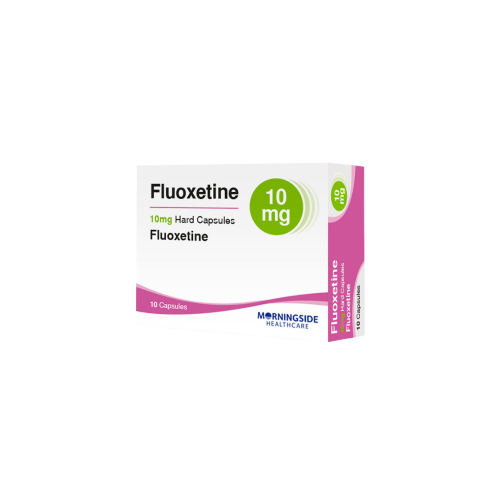
- General information on medications used in eating disorders
Why it matters: Early understanding can reduce shame and support safer next steps.
How to Choose
Different supports can fit different needs and life stages. When comparing Bulimia Nervosa care pathways, it helps to look at the full picture. That includes medical risk, mental health needs, and family support.
Match care to needs and preferences
- Focus area: bulimia therapy, nutrition support, or combined care
- Approach: cognitive behavioral therapy for bulimia, group therapy, or family work
- Schedule: session length, frequency, and after-hours availability
- Experience: comfort discussing eating disorder education and body image
- Coordination: ability to collaborate with primary care or specialty teams
- Life stage: school stressors, pregnancy planning, or athletic demands
Questions to bring to a visit
Good questions help the clinician understand goals and risks. They also make it easier to discuss bulimia myths and facts. Patients can bring a short timeline of symptoms and recent changes.
- What signs suggest medical complications that need in-person care?
- What treatments are usually combined, and why?
- How do clinicians track progress and reduce bulimia relapse prevention risks?
- What role can family-based therapy bulimia approaches play?
Safety and Use Notes
Bulimia Nervosa can affect the heart, digestion, teeth, and mood. Complications of bulimia may be serious, even when weight looks typical. People may also experience anxiety, depression, or substance use concerns.
Some situations need urgent in-person evaluation. This can include severe dehydration, fainting, or chest pain. The Medispress app follows HIPAA standards for privacy.
- Chest pain, trouble breathing, or fainting
- Blood in vomit or black, tarry stools
- Severe weakness, confusion, or repeated falls
- Thoughts of self-harm or feeling unsafe
- Rapid worsening of purging behaviors or inability to keep fluids down
Quick tip: Keep a simple symptom log for future appointments.
For a plain-language overview, see this neutral reference: NIMH eating disorders overview.
Access and Prescription Requirements
Care often involves more than one type of support. That can include therapy, bulimia nutrition counseling, and medical monitoring. Some patients also discuss bulimia medications as part of a broader plan.
If Bulimia Nervosa concerns lead to a prescription discussion, rules depend on the medication. Some medicines require a prescription and pharmacy verification. Some people use cash-pay options, often without insurance, for access.
- Expect medical history questions and a review of current medications
- Be ready to share allergies and any substance use concerns
- Clinicians may recommend in-person exams or labs when needed
- Pharmacies may confirm identity and prescription details before dispensing
- State regulations can affect which services are available
When appropriate, clinicians can route prescriptions through partner pharmacies, per state rules.
Related Resources
Many people want support between appointments. Bulimia support groups can help reduce isolation. Caregivers also benefit from learning how to help someone with bulimia in a calm, non-judgmental way.
For an additional clinical overview written for the public, see: Mayo Clinic bulimia symptoms and causes. This page also uses plain terms for common warning signs.
This content is for informational purposes only and is not a substitute for professional medical advice.

Find suitable medication for Bulimia Nervosa
Book a telehealth visit to discuss Bulimia Nervosa
Find a doctor
Speciality
State

Video Visit
$69

Video Visit
$69

Video Visit
$69

Video Visit
$69

Video Visit
$69

Video Visit
$69

Speciality: Dermatology, Family Medicine, Men's Health, Urgent Care, Women's health
Speaks: English, Spanish, French, Arabic, Portuguese
Video Visit
$69

Video Visit
$69

Video Visit
$69

Video Visit
$69

Video Visit
$69

Video Visit
$69
Frequently Asked Questions
What are common bulimia symptoms and warning signs?
Bulimia symptoms often include episodes of eating large amounts of food, followed by behaviors meant to undo it. People may vomit, misuse laxatives, fast, or exercise compulsively. Bulimia signs can also be less visible, like secrecy around food, shame after eating, or frequent bathroom trips after meals. Some physical warning signs include sore throat, dental problems, swelling around the jaw, and dizziness. A clinician can help interpret symptoms and assess medical risk safely.
How is bulimia diagnosis made?
Bulimia diagnosis usually involves a detailed clinical interview and a review of health history. Clinicians look at eating patterns, compensatory behaviors, and how often they occur. They also assess safety risks, including dehydration, heart rhythm concerns, and mood symptoms. An in-person exam or labs may be recommended to check for complications. Diagnosis is not based on appearance alone. It is based on patterns, impact, and health risk.
What bulimia treatment options are commonly discussed?
Bulimia treatment options often combine psychotherapy with medical monitoring. Many care plans include cognitive behavioral therapy for bulimia, which targets the binge purge cycle. Some patients also use nutrition counseling to build steadier eating patterns. Family-based approaches may be considered, especially for teens. Support groups can help reduce isolation and reinforce recovery skills. The best mix depends on safety, co-existing conditions, and what support is available locally.
Can medications be part of care for bulimia?
Bulimia medications may be discussed when symptoms include depression, anxiety, or compulsive behaviors. Medication decisions depend on a person’s health history and current risks. A clinician will review other medicines, substance use, and medical complications before prescribing. Medications are usually not the only support. They may be used alongside therapy and nutrition counseling. Pharmacy dispensing rules and prescription verification requirements also apply when medications are used.
How can caregivers help someone with bulimia?
Caregivers can help by keeping conversations calm and focused on safety. It often helps to avoid comments about weight, willpower, or appearance. Instead, caregivers can ask open questions and offer to help with logistics. That can include finding qualified clinicians, arranging transportation, or helping track appointments. If there are signs of medical danger, urgent in-person care may be needed. Support for caregivers also matters, since stress can build over time.