


Breast Cancer
Care Options for Breast Cancer
Breast Cancer can bring a flood of new terms and decisions. This category page supports patients and caregivers who want clarity. It focuses on practical navigation, not personal medical advice. Browse common symptoms to discuss, and how diagnosis and staging are described. Review screening basics, including mammogram guidelines and early detection topics. Compare risk factors like age, family history, and dense breast tissue. You will also see how types differ, from DCIS to invasive disease. Visits may be done by video with licensed U.S. clinicians in a HIPAA-secure app.
Breast Cancer: What You’ll Find
This browse page groups care information by clinical “labels” that matter. It also links to related condition collections and reading. The goal is to make terms easier to compare side by side. That includes diagnosis wording, stages, and common tumor marker results.
Many people first see terms like DCIS (ductal carcinoma in situ, noninvasive cells). Others see invasive ductal carcinoma (starts in milk ducts) or invasive lobular carcinoma (starts in milk glands). Some reports include HER2-positive (extra HER2 protein) or triple-negative (lacking ER, PR, and HER2). These details can shape treatment options like hormone therapy, chemotherapy, radiation therapy, or targeted therapy.
- Subtype browse pages, including receptor-status and stage-based collections
- Plain-language definitions for symptoms, stages, and diagnosis terms
- Screening and early-detection context, including dense breast tissue basics
- Administrative notes about prescriptions, refills, and documentation
- Supportive reading about care coordination and ongoing follow-up
How to Choose
Start by matching the resource to the question being answered. Some pages help decode pathology language. Others focus on stage terms, or receptor status. When questions feel urgent, separate “today” needs from “next visit” needs.
When browsing Breast Cancer topics, it helps to anchor on a few facts. These are the details that often appear in records. They also help keep conversations consistent across clinics and pharmacies.
Information to compare
- Type: DCIS, invasive ductal, invasive lobular, inflammatory breast cancer (skin and swelling changes)
- Stage: early stage versus metastatic (spread to other organs)
- Receptors: hormone receptor positive (ER or PR) versus triple-negative
- HER2 status: HER2-positive versus HER2-negative, based on tumor testing
- Context: male breast cancer and younger-onset disease may raise different questions
- Goals of care: curative intent versus symptom-focused management, when applicable
- Evidence options: availability of clinical trials at nearby centers
- Statistics: survival rate and prognosis vary by stage and biology
Quick tip: Keep key dates in one note for faster form filling.
Questions to bring to a clinician
- Which report confirms the diagnosis, and what terms matter most?
- Which screening history is relevant, including mammograms and follow-up imaging?
- What does “receptor status” mean for medication planning and side effects?
- Which monitoring needs are common, like labs or heart checks for some drugs?
Safety and Use Notes
Information online can be helpful, but it has limits. Many symptoms overlap with non-cancer conditions. Staging language can also be misread without full reports. That is why clinicians usually review pathology, imaging, and medication history together. Clinicians decide what is appropriate based on your complete clinical picture.
Breast Cancer treatment options can include surgery, radiation therapy, and medications. Medication categories may include hormone therapy (endocrine therapy), chemotherapy, and targeted therapy. Each option can have unique side effects and interaction risks. Supportive meds may also be used for nausea, pain, or bone health.
For a starting point, see the USPSTF screening recommendations.
- Share a full medication list, including supplements and over-the-counter products
- Flag allergies and prior serious reactions, even if they were years ago
- Ask how pregnancy, fertility, or menopause status affects medication choices
- Discuss BRCA mutations (inherited gene changes) and genetic testing questions
- Confirm who to contact for new symptoms during therapy, versus emergencies
For definitions of stages and common terms, review the National Cancer Institute breast cancer overview.
Access and Prescription Requirements
Some medications used in Breast Cancer care require a prescription. Pharmacies may also require identity checks and prescription verification. This is especially true for controlled substances and some specialty therapies. Refills and transfers can also require updated clinician documentation.
Medispress offers set-fee telehealth visits, often as cash-pay without insurance. When clinically appropriate, prescriptions may be coordinated through partner pharmacies, following state regulations.
- Have current pharmacy details ready, including address and phone number
- Bring a recent medication list, plus doses as written on the label
- Upload or share key records when available, like pathology summaries
- Expect questions about side effects, adherence, and other active conditions
- Plan ahead for travel, since state rules may limit prescribing options
Related Resources
Use the links below to browse related condition collections and supporting reading. These pages can help narrow the topic before a visit. They can also help caregivers track terminology across appointments.
Common starting points include the Early Stage Browse Page and the Metastatic Stage Browse Page. For receptor status, compare Hormone Receptor Positive Type, HER2-Positive Type, and HER2-Negative Type. For broader care context, read Awareness Month Support, Menopause Telehealth Outlook, and Telehealth In Fourth Trimester. When browsing Breast Cancer pages, focus on matching terms to the exact report wording.
Why it matters: Clear labels reduce mix-ups when several specialists are involved.
This content is for informational purposes only and is not a substitute for professional medical advice.

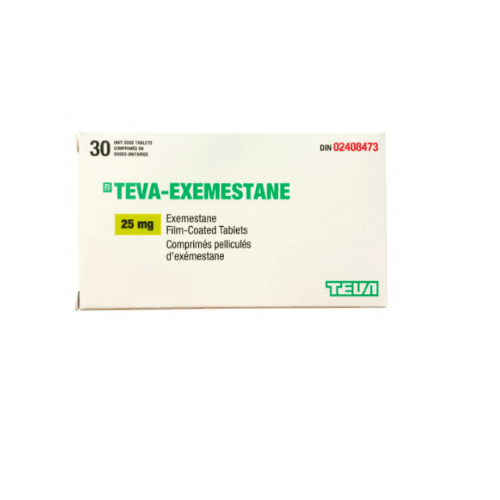
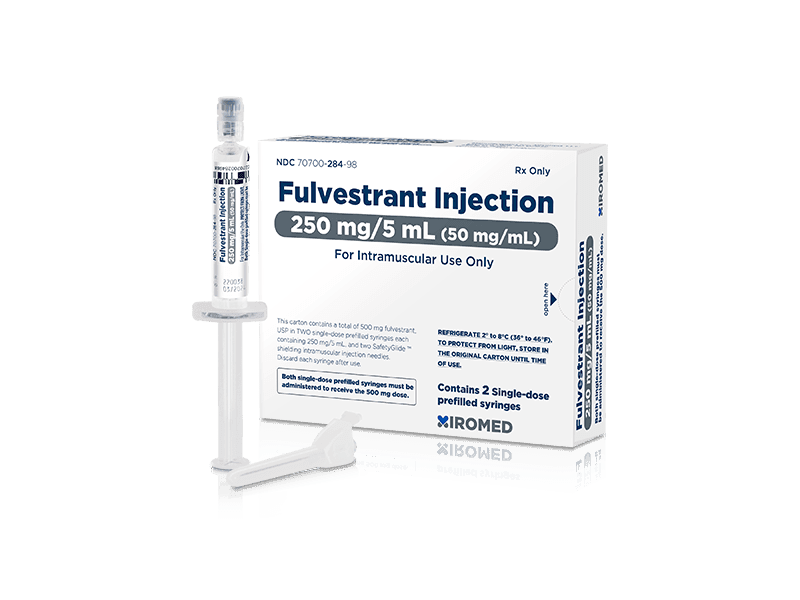
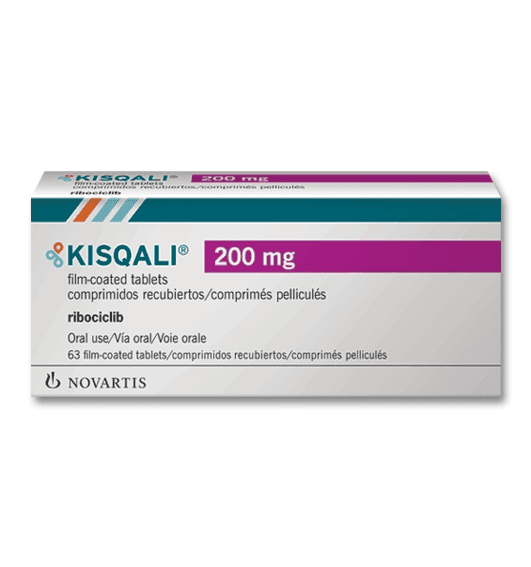
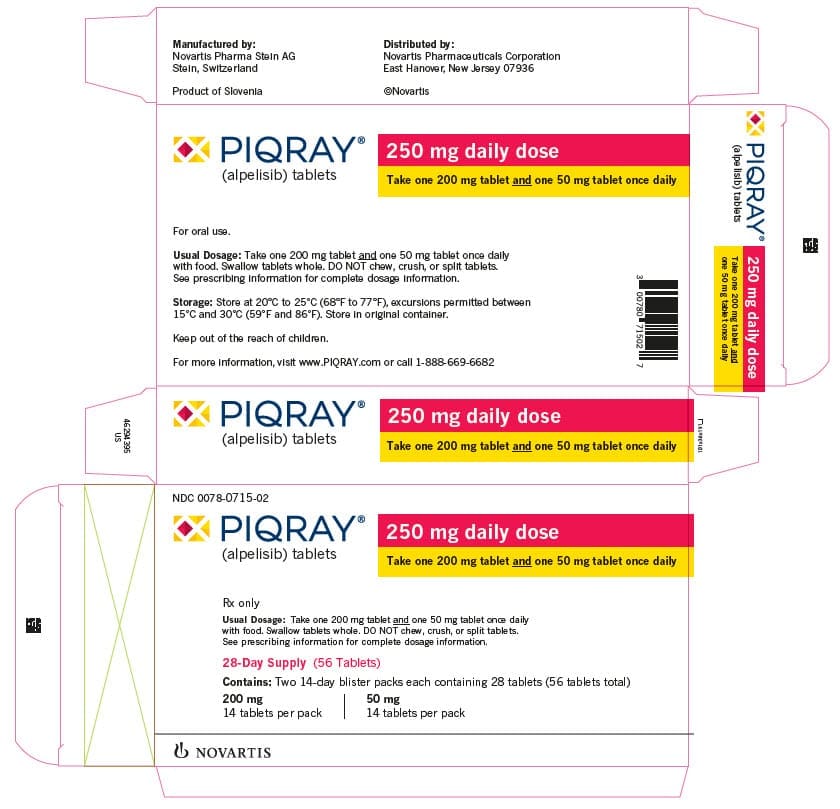
Find suitable medication for Breast Cancer








Book a telehealth visit to discuss Breast Cancer
Find a doctor
Speciality
State

Video Visit
$69

Video Visit
$69

Video Visit
$69

Video Visit
$69

Video Visit
$69

Video Visit
$69

Speciality: Dermatology, Family Medicine, Men's Health, Urgent Care, Women's health
Speaks: English, Spanish, French, Arabic, Portuguese
Video Visit
$69

Video Visit
$69

Video Visit
$69

Video Visit
$69

Video Visit
$69

Video Visit
$69
Frequently Asked Questions
What will I see on the Breast Cancer category page?
This category page groups related condition collections and educational reading in one place. It helps patients and caregivers compare common labels, like stage, receptor status, and subtype terms. It also includes practical notes about prescriptions, documentation, and care coordination. The page is meant for browsing and learning, not personal medical guidance. If a clinical decision is needed, a licensed clinician should review the full medical record.
How do I know which subtype page is most relevant?
Most people start with the terms already listed in a pathology or imaging report. Helpful anchors include DCIS, invasive ductal carcinoma, invasive lobular carcinoma, and metastatic disease. Receptor status also matters, including ER or PR, plus HER2-positive or HER2-negative. Triple-negative is another key label with its own considerations. If the subtype is unclear, choose the closest match and use it as a glossary.
Can telehealth be used for questions about ongoing care?
Telehealth can be useful for administrative and follow-up needs. Examples include reviewing questions from a recent visit, discussing side effects, or organizing next steps. It can also help with record review when documents are available to share. Some issues still require in-person exams, imaging, or urgent evaluation. A clinician can help decide what is appropriate for the situation and what must be handled locally.
What information helps with prescription coordination or refills?
Having a clean medication list saves time and reduces errors. Include each medication name, strength, and how it is taken per the label. Add allergies, recent side effects, and other active conditions. If available, include key oncology documents, like a treatment summary or pathology highlights. Also keep the pharmacy address and phone number on hand. Final prescribing decisions depend on clinician review and state requirements.
When is urgent care or emergency care more appropriate than online care?
Some symptoms require immediate, in-person evaluation. Examples include severe trouble breathing, chest pain, fainting, uncontrolled bleeding, or signs of a serious allergic reaction. High fever during chemotherapy can also be urgent, depending on the context. When emergency warning signs are present, calling 911 or going to the ER is appropriate. For non-urgent questions, a scheduled visit can help organize next steps.