


Bradycardia
Care Options for Bradycardia
Slow heart rate can be confusing, especially when symptoms come and go.
Bradycardia describes a heart rate that is slower than expected. It can happen at rest, during sleep, or with illness. Some people have no noticeable symptoms, even with slow rates.
This category page gathers practical information for patients and caregivers. It also supports browsing any condition-aligned items that may appear here. Topics include bradycardia symptoms, common causes, and how clinicians confirm a diagnosis.
Quick tip: Keep a current medication list ready when browsing or booking.
Video visits run through a secure, HIPAA-compliant Medispress mobile app.
Bradycardia What You’ll Find
Use this collection to understand the basics of a low heart rate. It focuses on everyday terms, plus key clinical labels clinicians use. Examples include sinus bradycardia and bradyarrhythmia (slow heart rhythm) patterns.
Many sources define bradycardia as under 60 beats per minute in adults. Context can change what counts as resting heart rate too low.
Many pages also explain what a clinician may look for on an ECG. Some cover patterns like AV block bradycardia and sick sinus syndrome. These topics help make sense of referrals, follow-ups, and monitoring.
Content here can also help compare common care pathways at a glance. That may include watchful waiting, medication review, and device discussions. Decisions still depend on symptoms, history, and exam findings in each case.
- Plain-language definitions and common questions
- Symptom patterns, including dizziness and fainting episodes
- Possible contributing factors, like thyroid disease or sleep apnea
- Overview of evaluation tools, including ECG and Holter monitoring
- High-level bradycardia treatment options, when discussed by clinicians
How to Choose
Different pages serve different needs, from quick definitions to deeper care planning. It helps to match the right resource to the right question. For Bradycardia, symptom context often matters as much as the heart rate number.
For symptom and risk context
- Note symptoms like fatigue, lightheadedness, or syncope (fainting)
- Check patterns during sleep, exercise, or after meals
- Consider age context, including athletes and older adults
- List medicines that may slow rhythm, including some eye drops
- Look for reversible causes, like hypothyroidism or sleep apnea
For care-path planning
- Review what diagnosis usually includes, such as ECG findings
- Learn what a Holter monitor can capture during daily routines
- Look for plain-language explanations of pacemakers and monitoring
- Write down visit questions, including recent medication changes
- Keep notes on prior procedures or known conduction disease
Resources can support better conversations, not self-diagnosis at home alone. A slower pulse can be normal for some healthy people. It can also signal conduction problems that need careful evaluation.
All clinical decisions are made by licensed U.S. clinicians during visits.
Safety and Use Notes
Safety information matters when symptoms suggest poor blood flow to the brain. Bradycardia can sometimes lead to dizziness, weakness, or near-fainting during daily activities. The goal is to recognize situations that need urgent care.
Why it matters: Fainting with a slow pulse can signal a dangerous rhythm.
Emergency services are appropriate for chest pain, severe shortness of breath, or confusion. Sudden collapse, repeated syncope, or new neurologic symptoms also need prompt evaluation. In hospitals, teams may follow the ACLS bradycardia algorithm for unstable cases.
- Medication-related slowing can occur with beta blockers or some calcium channel blockers
- Electrolyte problems and infections can sometimes contribute to rhythm changes
- Sleep apnea may worsen nighttime slow rhythms and pauses
- Pediatric bradycardia has different normal ranges and evaluation steps
- Many athletes have lower resting rates without dangerous disease
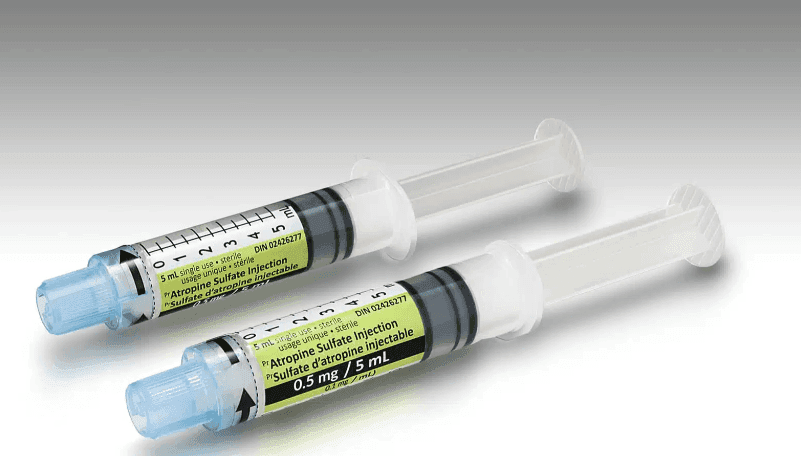
Some pages mention atropine for bradycardia or temporary pacing in emergencies. Those are clinician-directed interventions used only in monitored medical settings. They are not home treatments and do not replace evaluation.
Access and Prescription Requirements
Some people use this page to prepare for a telehealth evaluation. Others use it to understand terminology before a cardiology referral. If Bradycardia is being evaluated, documentation helps speed up safe decisions.
Telehealth visits often focus on symptom history and medication review. Some findings may still require in-person exams or urgent evaluation.
Prescription medicines that affect heart rate require a valid prescription. Pharmacies may verify identity, address, and prescriber information before dispensing. This supports safe dispensing and accurate records for care teams.
- Have recent vital signs or home readings ready, if available
- Share a complete medication and supplement list, including eye drops
- Note prior ECG results, monitor reports, or discharge summaries
- Expect questions about fainting, falls, and exercise tolerance
- Cash-pay options are often available, including without insurance
When appropriate, prescriptions can be coordinated with partner pharmacies, depending on state rules.
Some states limit which medications can be prescribed by telehealth. Availability can also vary by pharmacy policies and clinical judgment. Refill timing and follow-up plans depend on the prescriber and the clinical picture.
Related Resources
For Bradycardia education, it helps to read from several trusted sources. Look for materials that define symptoms, outline evaluation, and explain common rhythms. Reputable references also describe when a slow pulse can be normal.
Helpful search terms include conduction disease, pauses, and junctional rhythm. Reading about bradycardia management guidelines can clarify how clinicians weigh risks. For caregivers, notes about falls and medication timing can add useful context.
For a plain-language heart rhythm overview, see American Heart Association arrhythmia information. For a clinical summary of slow heart rate, see Mayo Clinic bradycardia overview.
- Compare sinus bradycardia with conduction blocks like AV block
- Review how bradycardia ECG findings can guide next steps
- Learn how sleep, fitness, and aging can affect resting heart rate
- Keep notes on dizziness with low heart rate readings
- Track questions about monitoring, including Holter or event monitors
This content is for informational purposes only and is not a substitute for professional medical advice.

Find suitable medication for Bradycardia
Book a telehealth visit to discuss Bradycardia
Find a doctor
Speciality
State

Video Visit
$69

Video Visit
$69

Video Visit
$69

Video Visit
$69

Video Visit
$69

Video Visit
$69

Speciality: Dermatology, Family Medicine, Men's Health, Urgent Care, Women's health
Speaks: English, Spanish, French, Arabic, Portuguese
Video Visit
$69

Video Visit
$69

Video Visit
$69

Video Visit
$69

Video Visit
$69

Video Visit
$69
Frequently Asked Questions
What is bradycardia?
Bradycardia means a slower-than-expected heart rate. Many references use under 60 beats per minute for adults. Context matters, including sleep, fitness level, and medicines. Some people feel fine with slower rates, especially athletes. Others may have symptoms if the heart cannot meet the body’s needs. A clinician looks at symptoms, medical history, and rhythm testing to understand what the slow rate means.
What symptoms can happen with a low heart rate?
A low heart rate can cause no symptoms at all. When symptoms occur, they may include fatigue, lightheadedness, weakness, shortness of breath, or exercise intolerance. Some people have near-fainting or syncope (fainting). Symptoms can also come from other problems, like dehydration or medication effects. Because causes vary, symptom notes and timing details can help a clinician decide what evaluation is needed.
How is bradycardia usually evaluated?
Evaluation often starts with symptom history and a medication review. Clinicians may check vital signs and do an ECG (a heart rhythm tracing). If symptoms come and go, longer monitoring may be used, such as a Holter monitor. Depending on the situation, clinicians may also look for contributing conditions, like thyroid disease or sleep apnea. The specific workup depends on age, symptoms, and any known heart disease.
When is a slow heart rate an emergency?
Emergency care is appropriate when a slow pulse is paired with severe symptoms. Concerning signs include chest pain, severe shortness of breath, confusion, repeated fainting, or sudden collapse. These symptoms can signal poor blood flow or an unstable heart rhythm. In emergency settings, teams can monitor rhythm and blood pressure closely. They can also treat reversible causes and provide advanced care when needed.
Can medications or medical conditions cause a slow heart rate?
Yes. Some medicines can slow heart rate or conduction, including beta blockers and certain calcium channel blockers. Other medications may also affect rhythm, depending on the situation. Medical conditions can contribute too, such as hypothyroidism, sleep apnea, electrolyte imbalances, infections, or underlying conduction disease. Medication changes should be guided by a prescriber, since stopping or adjusting heart medicines can carry risks.
What information is helpful to have before a telehealth visit?
It helps to have a clear symptom timeline and any home pulse readings, if available. A current list of prescription medicines, over-the-counter products, and supplements is important. Prior ECGs, monitor reports, hospital summaries, or cardiology notes can add useful context. A short list of questions keeps the visit focused. Telehealth visits often center on history review and next-step planning, based on clinical judgment.