


Blood Clot (DVT/PE)
Care Options for Blood Clot (DVT/PE)
Blood clots can form in deep veins or move into the lungs. This Blood Clot (DVT/PE) category page gathers practical care resources. It supports browsing for patients, caregivers, and anyone organizing follow-up care.
The page uses plain language and clinical terms side by side. Deep vein thrombosis (DVT) means a clot in a deep vein. Pulmonary embolism (PE) means a clot blocking blood flow in the lungs.
Appointments run in our secure, HIPAA-compliant app.
Blood Clot (DVT/PE) What You’ll Find
This collection focuses on the details people often need quickly. That includes symptom terms, common diagnostic pathways, and medication vocabulary. It also helps caregivers track what questions to bring to a visit.
Clot care usually involves several moving parts. Many people compare safety considerations, refill logistics, and follow-up plans. Some also review prevention topics, like long travel and post-surgery mobility.
- Plain-language summaries of DVT and PE concepts
- Examples of common tests used to evaluate clots
- Medication class terms, including anticoagulant (blood thinner) options
- Prevention themes, like travel thrombosis prevention and post-surgery risk
- Links to general wellness resources that support overall cardiovascular health
Video visits are conducted by licensed U.S. clinicians.
How to Choose
Different resources fit different situations. Some help with symptom recognition and triage language. Others focus on treatment terms, follow-up, or long-term complications.
When reviewing Blood Clot (DVT/PE) materials, prioritize clear definitions and safety context. Look for straightforward explanations of what is urgent. Use the page to compare how sources describe next-step questions.
Match the resource to the goal
- Symptom education: dvt symptoms, signs of blood clot in leg, and PE warning signs
- Risk review: causes of dvt and risk factors for blood clots
- Testing vocabulary: d-dimer test for clots, venous ultrasound for dvt, and ct pulmonary angiography
- PE imaging terms: v/q scan for pe and when it may be discussed
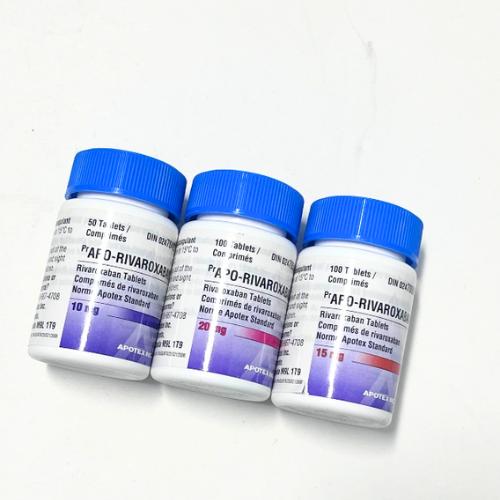
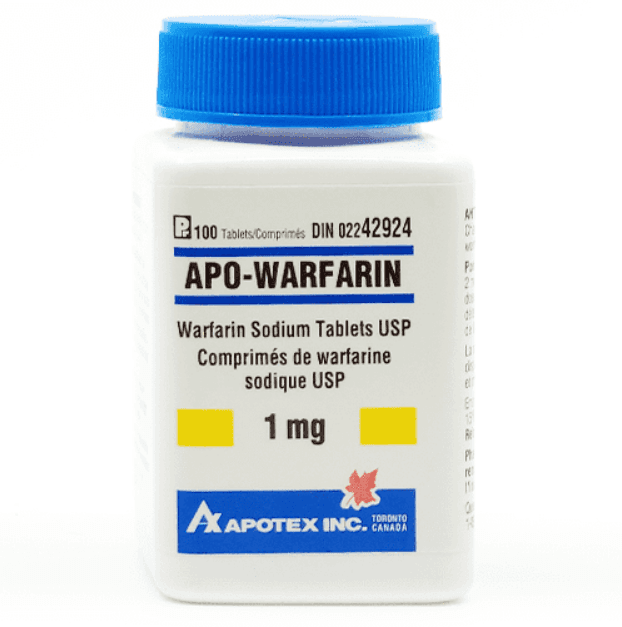
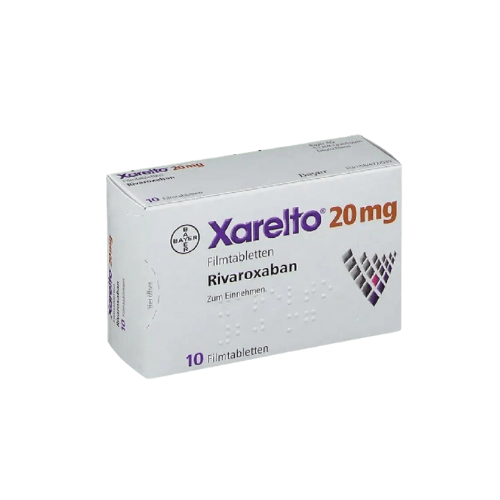
- Medication terms: anticoagulation therapy options and doac vs warfarin basics
- After-effects: post thrombotic syndrome (chronic leg symptoms after DVT)
Quick tip: Keep a current medication list for any appointment paperwork.
Questions that help a clinician evaluate risk
- Recent travel, limited mobility, or post surgery blood clots history
- Pregnancy dvt and pe concerns, including postpartum timing
- Cancer associated thrombosis and active treatment status
- Birth control and blood clots history, including estrogen exposure
- Family history and genetic thrombophilia (inherited clotting tendency)
- Prior tests for factor v leiden and other inherited clot risks
Safety and Use Notes
Clot symptoms can overlap with other urgent conditions. Leg pain and swelling can have many causes. Chest pain and shortness of breath can also signal emergencies.
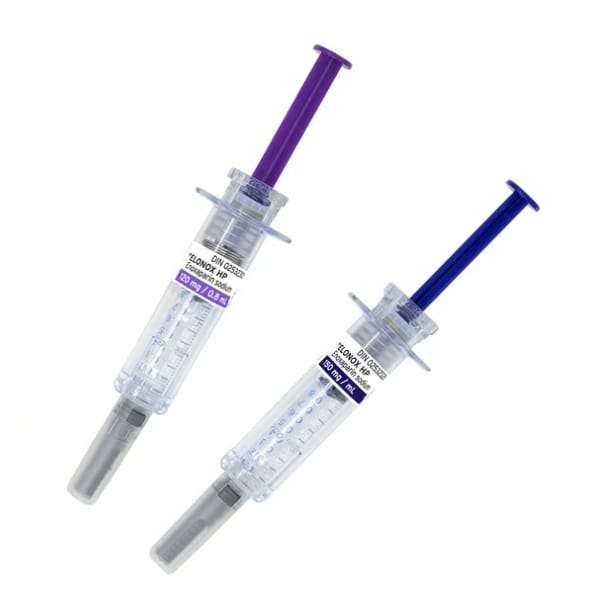
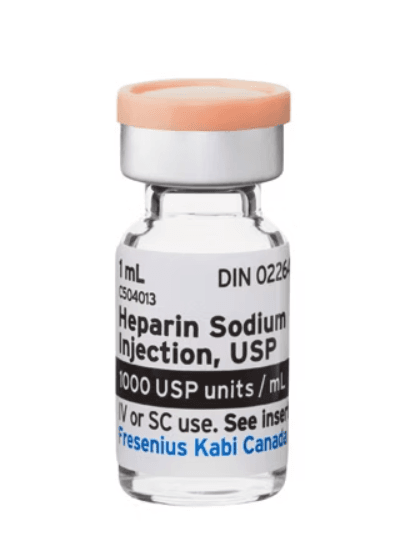
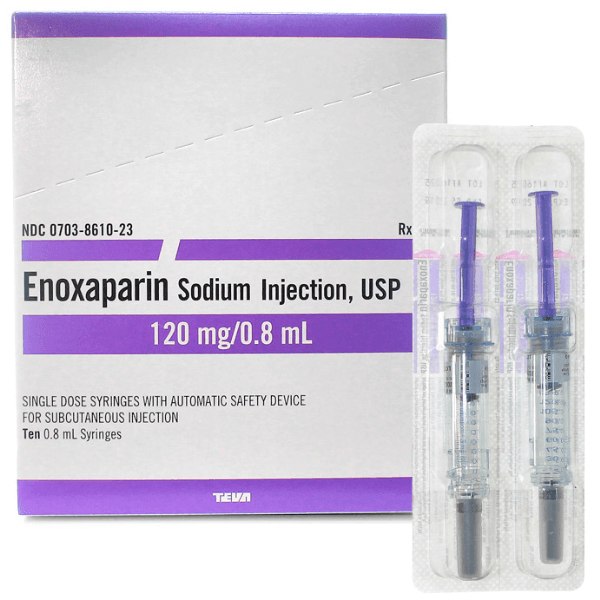
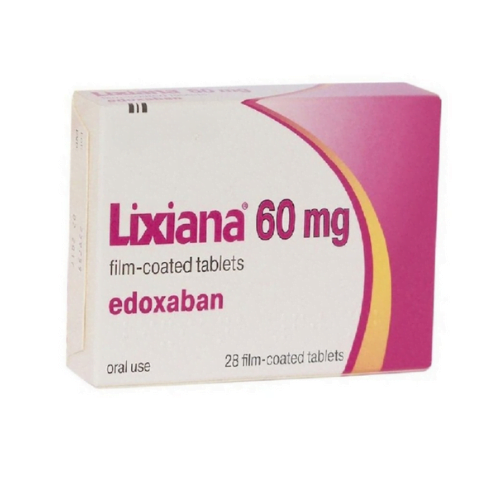
For Blood Clot (DVT/PE), clinicians often discuss anticoagulation therapy options and bleeding risk. Common categories include DOACs (direct oral anticoagulants), warfarin, and heparin treatment. The right choice can depend on kidney function, other medicines, and pregnancy status.
Why it matters: PE symptoms can worsen quickly and need urgent evaluation.
- Emergency signs may include sudden chest pain or fainting
- PE symptoms can include shortness of breath or coughing blood
- DVT signs may include one-sided leg swelling, warmth, or tenderness
- Some medicines and supplements can raise bleeding risk
- Follow-up may include monitoring plans and refill coordination
- Compression stockings for dvt may be discussed for swelling support
For a basic overview, see CDC DVT and PE facts.
Access and Prescription Requirements
Some Blood Clot (DVT/PE) medications require a valid prescription to dispense. Many anticoagulants have strict safety checks. Pharmacies may also verify identity and review interactions.
Some people use cash-pay options, often without insurance, for convenience. Coverage can still vary by medication and pharmacy policy. Administrative steps can include prior medication history and recent lab context.
When appropriate, prescriptions can be sent to partner pharmacies, per state rules.
- Prescription status: new start versus continuation can change documentation needs
- Medication history: prior anticoagulants, side effects, and allergy details
- Care transitions: recent discharge notes may support continuity planning
- Special populations: pregnancy, cancer, or surgery history can affect options
- Follow-up: clarify how refills and monitoring discussions are handled
Related Resources
General health habits can support overall vascular risk discussions. For movement and heart health basics, browse Exercise And Cardiovascular Health and Easy Daily Exercises For Seniors. For hydration fundamentals, see Benefits Of Hydration. For everyday structure, review Healthy Morning Routines.
For broader wellness context around Blood Clot (DVT/PE), explore Healthy Living And Longevity, Womens Health Guide, and Mens Health Guide. Care planning can also intersect with cancer care, so browse Blood Cancers Leukemia Lymphoma when relevant. For a specialist-oriented explainer, see American Society Of Hematology blood clots.
This content is for informational purposes only and is not a substitute for professional medical advice.

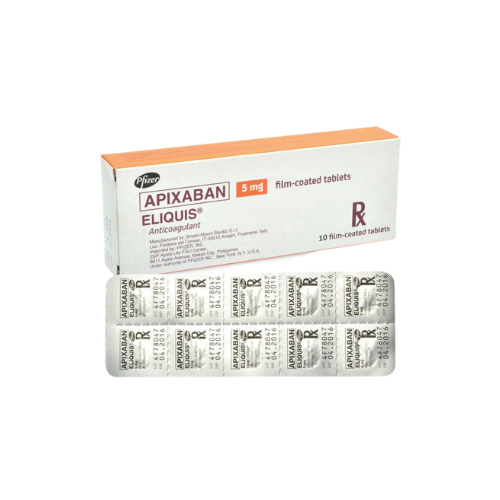
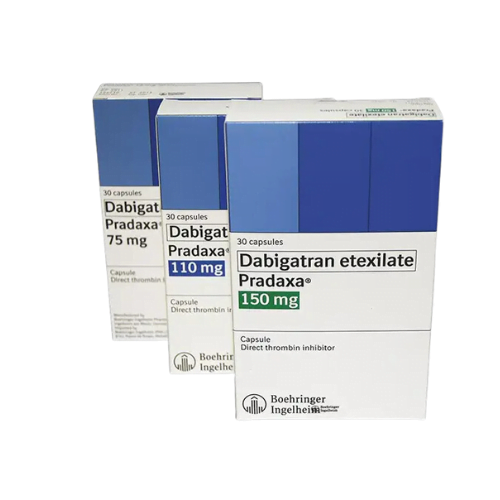
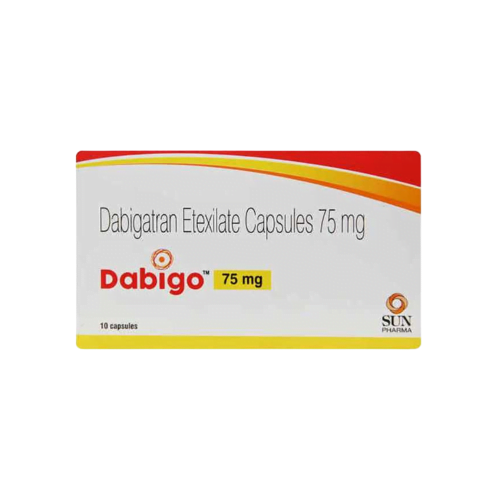
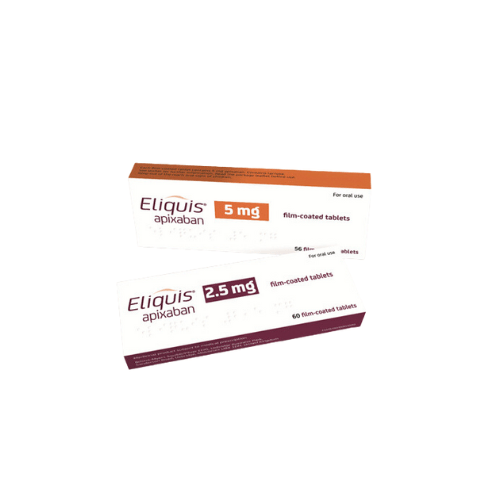
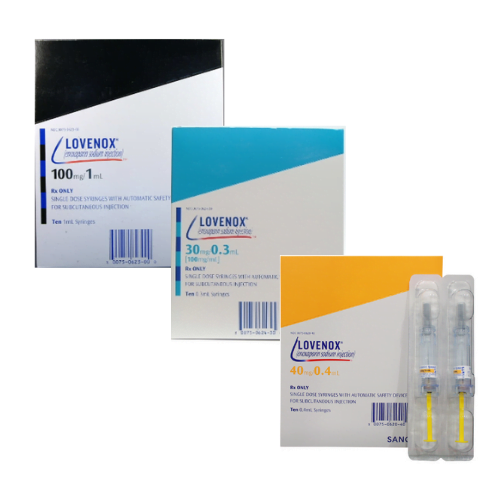
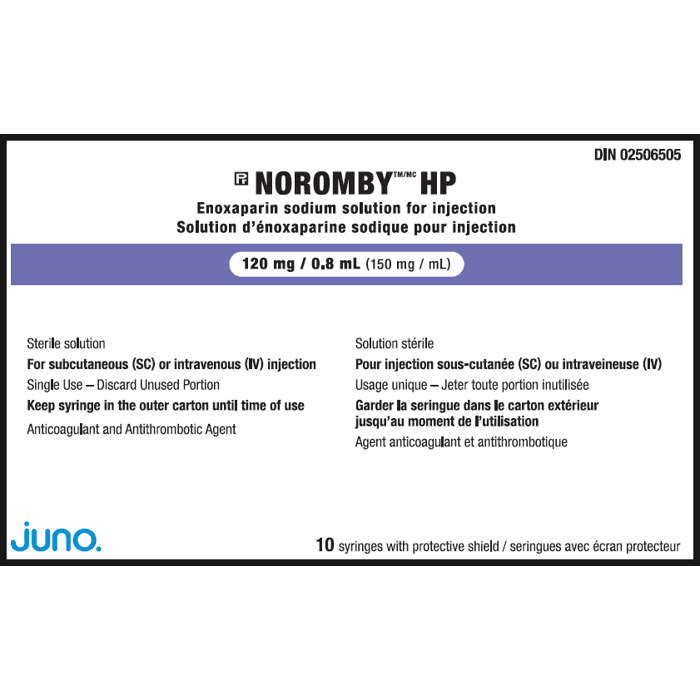
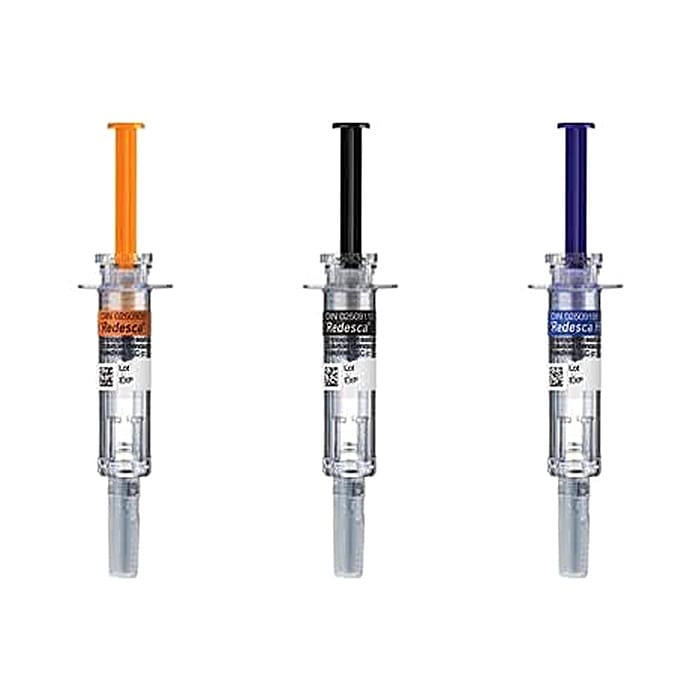
Find suitable medication for Blood Clot (DVT/PE)


Book a telehealth visit to discuss Blood Clot (DVT/PE)
Find a doctor
Speciality
State

Video Visit
$69

Video Visit
$69

Video Visit
$69

Video Visit
$69

Video Visit
$69

Video Visit
$69

Speciality: Dermatology, Family Medicine, Men's Health, Urgent Care, Women's health
Speaks: English, Spanish, French, Arabic, Portuguese
Video Visit
$69

Video Visit
$69

Video Visit
$69

Video Visit
$69

Video Visit
$69

Video Visit
$69
Frequently Asked Questions
What will I see on the Blood Clot (DVT/PE) category page?
This page groups browsing resources related to clots in the legs and lungs. It highlights common terms for DVT and PE, symptom language, and testing vocabulary. It also summarizes medication class terms, like anticoagulants, and practical topics like travel risk. Links to broader wellness reads are included for context. The goal is clearer navigation and better questions for a visit, not medical decision-making.
What symptoms may need emergency care for a pulmonary embolism?
Emergency evaluation is appropriate for sudden chest pain, new severe shortness of breath, or fainting. Coughing blood and a fast, unexplained heart rate can also be concerning. PE symptoms can look like other serious problems, including heart issues. A person with these symptoms should be treated as urgent, even if risk factors seem unclear. This page shares warning-sign language, but it cannot confirm a diagnosis.
Do blood thinners for DVT or PE require a prescription?
Most anticoagulants (blood thinners) are prescription-only medications. Dispensing typically requires a valid prescription and pharmacy verification steps. The exact requirements can vary by state and by pharmacy policies. Some products discussed alongside clot care, like compression stockings, may be non-prescription. This category helps clarify which terms usually refer to prescription therapy versus supportive items, so browsing stays organized.
What information is helpful to have ready for a telehealth visit about clots?
A short timeline helps, including symptom start dates and any recent travel. A current medication list matters, including supplements and over-the-counter pain relievers. Recent surgery, pregnancy status, or active cancer treatment history can also matter. If there was prior imaging or lab work, noting where it occurred can reduce confusion. Telehealth visits on Medispress are done by video with licensed U.S. clinicians.
Can cash-pay be used without insurance for clot-related care?
Some people choose cash-pay options, often without insurance, for convenience. Whether that makes sense depends on the medication, pharmacy rules, and any available coverage. Prescription medications still require a clinician’s evaluation and a valid prescription. This page focuses on navigation and terminology, so it does not estimate costs. For ongoing care, pharmacies and clinicians can explain what documentation is needed.