


Bacterial Keratitis
Care Options for Bacterial Keratitis
Bacterial Keratitis is a bacterial infection of the cornea (the clear front window). It may start fast and feel intense. Many people describe a red painful eye infection with tearing. Some also notice photophobia (light sensitivity) and blurry vision. Contact lens related keratitis is a common concern in eye care settings. This category page pulls together practical, condition-aligned resources in one place.
Visits are by video with U.S.-licensed clinicians.
Browsing here can help patients and caregivers compare common terms, care pathways, and prescription requirements. It also helps sort related topics like microbial keratitis and corneal ulcer bacterial patterns. Some cases still need urgent in-person eye evaluation for a close corneal exam.
Bacterial Keratitis What You’ll Find
This collection focuses on the information people often need at the start. It covers plain-language explanations and clinical terms that may appear on visit notes. It also outlines common evaluation steps, like a slit-lamp exam and staining tests. When clinicians suspect a more severe corneal infection, they may also consider a corneal scrape culture (lab test from the corneal surface) to identify germs.
Medication discussions stay general and non-prescriptive. Many treatment plans involve antibiotic eye drops, sometimes described as fluoroquinolone eye drops or fortified antibiotics eye drops. The goal is to clarify what these names mean, not to suggest a specific regimen.
- Key bacterial keratitis symptoms and corneal infection symptoms to recognize
- Common bacterial keratitis causes and bacterial keratitis risk factors
- How bacterial keratitis diagnosis is typically made in clinics
- Terms that appear in bacterial keratitis treatment discussions, including bacterial keratitis antibiotics
- How keratitis vs corneal ulcer wording is often used in chart notes
- Possible outcomes, including bacterial keratitis complications and bacterial keratitis prognosis
Why it matters: Corneal infections can scar, which may affect vision later.
How to Choose
This category page groups Bacterial Keratitis resources so comparisons feel straightforward. Start by matching the main concern to the right path. Some red eyes fit conjunctivitis, while others raise concern for deeper corneal involvement. When the description mentions a corneal ulcer, it often points to a surface defect on the cornea.
Details that help with triage
- Contact lens use, including overnight wear and recent water exposure
- Whether pain feels sharp, deep, or out of proportion to redness
- Vision change, new haze, or a visible white spot on the cornea
- Discharge type, tearing level, and eyelid swelling
- Any eye injury, foreign body, or recent eye procedure
- Immune risks, including diabetes or steroid use, when relevant
How to compare terminology and plans
- Look for notes that separate inflammation from infection in wording
- Check whether a clinician discussed pseudomonas keratitis risk with lenses
- Notice when staph keratitis is mentioned as a suspected cause
- Confirm whether follow-up timing and escalation signs were documented
- Track medication names exactly, since eye drops can sound similar
Quick tip: Keep contact lens brand and solution names in one note.
Safety and Use Notes
Because Bacterial Keratitis can threaten vision, clinicians often treat it as urgent. Some symptoms suggest deeper corneal involvement rather than simple irritation. Severe pain, marked light sensitivity, or reduced vision deserves prompt clinical attention. A hypopyon (layer of pus) can appear in more serious cases.
We use a secure, HIPAA-compliant app for telehealth visits.
These topics can help frame safety discussions without self-treating. A clinician may weigh contact lens history, exam findings, and local resistance patterns. They may also consider differential diagnosis, including viral keratitis, fungal keratitis, or a sterile contact lens reaction. For contact lens hygiene basics, see CDC Contact Lens Guidance.
- Seek urgent evaluation for vision loss, severe pain, or a corneal white spot
- Report contact lens wear, especially in bacterial keratitis in contact lens wearers
- Ask how clinicians distinguish keratitis vs corneal ulcer on exam
- Share allergy history, since some drops include preservatives or antibiotics
- Discuss work or caregiving limits if bright light worsens symptoms
- Review possible complications like corneal opacity scarring after healing
Access and Prescription Requirements
For suspected Bacterial Keratitis, prescriptions usually require a clinician’s assessment. Many therapies involve prescription-only eye antibiotics, and pharmacies verify prescriptions before dispensing. Some cases cannot be managed with remote care alone. In-person evaluation may be needed for corneal staining, pressure checks, or culture decisions.
When appropriate, clinicians can coordinate prescriptions with partner pharmacies, depending on state rules.
This collection also supports practical access planning. Many people use cash-pay options, often without insurance, when coverage is limited. Availability can vary by medication and state dispensing rules. Records from urgent eye care visits can also help keep medication histories consistent.
- Prescription status and any refill limits listed for ophthalmic antibiotics
- Whether a partner pharmacy can dispense the exact medication selected
- How to share outside exam results, including culture findings, if available
- Safety checks that may apply, such as age limits or allergy screening
- When follow-up is recommended due to corneal infection severity
Related Resources
Related collections can help place Bacterial Keratitis alongside other bacterial eye concerns. For broader browsing, review Bacterial Eye Infection and Bacterial Conjunctivitis. For general background on bacteria-focused care categories, see Bacterial Infection. For non-eye bacterial topics, browse Anaerobic Bacterial Infection and Bacterial Vaginosis.
For symptom context around eye discomfort, read Eye Pain Comfort And Care. For corneal ulcer definitions and risks, see AAO Corneal Ulcer Overview.
This content is for informational purposes only and is not a substitute for professional medical advice.

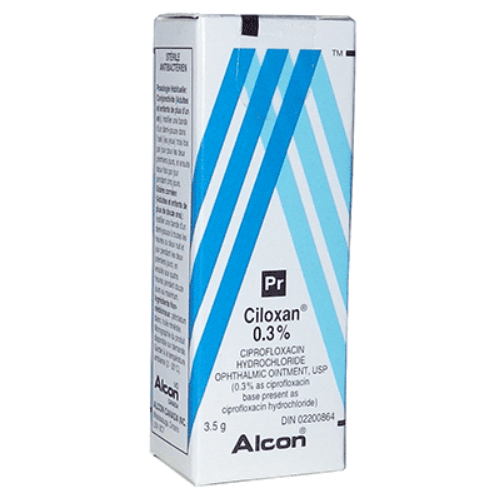
Find suitable medication for Bacterial Keratitis

Book a telehealth visit to discuss Bacterial Keratitis
Find a doctor
Speciality
State

Video Visit
$69

Video Visit
$69

Video Visit
$69

Video Visit
$69

Video Visit
$69

Video Visit
$69

Speciality: Dermatology, Family Medicine, Men's Health, Urgent Care, Women's health
Speaks: English, Spanish, French, Arabic, Portuguese
Video Visit
$69

Video Visit
$69

Video Visit
$69

Video Visit
$69

Video Visit
$69

Video Visit
$69
Frequently Asked Questions
What is bacterial keratitis?
Bacterial keratitis is an infection of the cornea, the clear front surface of the eye. It often causes redness, pain, tearing, and light sensitivity. Vision can look blurry when the cornea becomes inflamed or cloudy. Contact lens wear increases risk, especially with overnight wear or water exposure. Clinicians usually confirm the problem with an eye exam, and some cases need urgent in-person evaluation to protect vision and reduce scarring risk.
How is keratitis different from a corneal ulcer?
Keratitis describes inflammation of the cornea, which can be infectious or non-infectious. A corneal ulcer describes a break in the corneal surface, often from infection. In practice, the terms can overlap in clinic notes. A clinician may use staining dye and a slit-lamp exam to see an ulcer and assess depth. When notes say “corneal ulcer,” it often signals closer monitoring and stronger concern for complications.
What information helps a clinician assess eye infection symptoms?
Helpful details include when symptoms started, contact lens use, and any recent water exposure. Pain severity, light sensitivity, discharge type, and vision changes also matter. It helps to note eye injury, foreign body sensation, or recent eye procedures. A current medication and allergy list can prevent avoidable reactions. When scheduling a visit, adding these details in the intake form can make the review more efficient.
When should eye pain be treated as urgent?
Eye pain needs urgent evaluation when it comes with vision loss, severe light sensitivity, or a visible white spot on the cornea. Contact lens wear plus increasing pain also raises concern for corneal infection. Worsening swelling, intense redness, or a headache with nausea can also be concerning. Some severe infections can show a hypopyon, which is a visible fluid level in the front of the eye. Clinicians often treat these patterns as time-sensitive.
Are antibiotics always used for bacterial keratitis?
Clinicians decide treatment based on the exam, risk factors, and how the cornea looks. Antibiotic eye drops are commonly used when bacterial infection seems likely. Some cases need different approaches if the cause is viral, fungal, or non-infectious irritation. In more severe presentations, clinicians may consider culture testing to identify the germ and guide medication choice. Using leftover or shared eye drops can be unsafe, since the cause and needed medication can differ.