


Bacterial Conjunctivitis
Care Options for Bacterial Conjunctivitis
Eye redness with crusting can feel sudden, messy, and stressful. This category page focuses on Bacterial Conjunctivitis and common “bacterial pink eye” concerns. It brings together practical resources and related condition collections for quick browsing. Use it to compare typical symptom patterns, care pathways, and access requirements.
Many cases of pink eye look similar at first. Some are allergic, some are viral, and some are bacterial. For comparison, browse the Allergic Conjunctivitis collection alongside other eye-related pages. This page stays general and does not replace a clinician’s judgment.
Bacterial Conjunctivitis What You’ll Find
This collection groups information that people often look up during an eye flare. Expect plain-language explanations plus clinical terms used in conjunctivitis diagnosis (how clinicians sort causes). It also highlights details often discussed with a clinician, like mucopurulent eye discharge (thick yellow-green mucus), eyelid swelling, and gritty irritation.
Entries may reference bacterial conjunctivitis symptoms that tend to stand out. Examples include sticky lashes on waking, pink eye discharge that returns after wiping, and eye redness and crusting. The page also notes situations that can change concern level, like contact lens related conjunctivitis and newborn conjunctivitis.
Related browsing can help when symptoms seem to extend beyond the conjunctiva. The Bacterial Eye Infection collection is useful for broader “bacterial eye” topics, including potential overlap terms and follow-up questions.
- Common symptom terms, including redness, irritation, and discharge patterns
- How clinicians think about bacterial conjunctivitis vs viral and allergic causes
- Administrative notes on prescriptions, verification, and pharmacy coordination
- Special situations, including children, contact lenses, and newborns
- Links to related condition collections and reading for added context
Medispress video visits are provided by licensed U.S. clinicians.
How to Choose
Choosing the right next step often starts with sorting likely causes. With Bacterial Conjunctivitis, appearance alone can mislead, especially early on. Clinicians usually weigh discharge type, exposure history, and symptom timing together. They also consider differential diagnosis of conjunctivitis (other look-alike eye problems).
Details that can change the differential
- One eye versus both eyes, and how quickly the second eye involved
- Discharge type, including watery, stringy, or thicker mucus
- Itching that suggests allergic vs bacterial conjunctivitis is more likely
- Recent cold symptoms that may fit a viral pattern
- Contact lens use, including sleeping in lenses or poor lens hygiene
- Eye pain severity, light sensitivity, or any vision change
- Duration and whether symptoms keep worsening after several days
- Known exposure in daycare, school, or shared household settings
- Age group notes, including bacterial conjunctivitis in children and adults
Quick tip: When scheduling, have current meds and allergies ready.
Questions that help clinicians decide on care
- What findings suggest antibiotics may be appropriate, versus watchful waiting
- Whether school exclusion for pink eye is needed based on local policies
- How to lower the risk of preventing spread of pink eye at home
- What to do about contact lenses, cases, and eye makeup during recovery
- When follow-up is needed if symptoms do not improve as expected
When a visit happens, clear photos can support conjunctivitis diagnosis. Timing matters too, since discharge may look different after cleaning. Notes about pink eye discharge over the day can be helpful.
Safety and Use Notes
Most cases are mild, but red eyes deserve careful sorting. Bacterial Conjunctivitis can overlap with more serious problems, including bacterial keratoconjunctivitis (cornea involvement). That risk matters most with contact lenses, eye injury, or immune compromise. A clinician may recommend in-person evaluation if warning signs appear.
General safety reminders can prevent complications and re-exposure. Avoid sharing towels, pillowcases, or eye drops between household members. Avoid using old eye products that may be contaminated. Good hand hygiene reduces spread when is bacterial conjunctivitis contagious is a concern.
Why it matters: Contact lens wear can increase keratitis risk.
Some symptoms call for prompt, same-day medical evaluation. These include moderate to severe pain, light sensitivity, reduced vision, or significant swelling. Newborn conjunctivitis deserves urgent medical attention, since causes and risks differ. For public health basics, see CDC guidance on conjunctivitis.
If contact lenses are involved, clinicians may ask about lens type and cleaning method. They may also consider bacterial keratitis, which is more urgent than simple conjunctivitis. The Bacterial Keratitis collection provides context on that term and why clinicians treat it differently.
Appointments take place in a HIPAA-compliant app designed for medical privacy.
Access and Prescription Requirements
Antibiotic eye drops for pink eye are prescription-only in the United States. For Bacterial Conjunctivitis, clinicians decide whether an antibiotic is appropriate after reviewing symptoms and risks. Some cases may need an exam first, especially with contact lenses or severe pain. Documentation needs can vary by state and pharmacy policies.
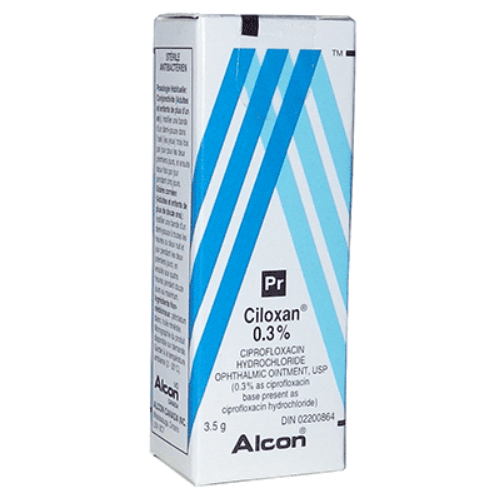
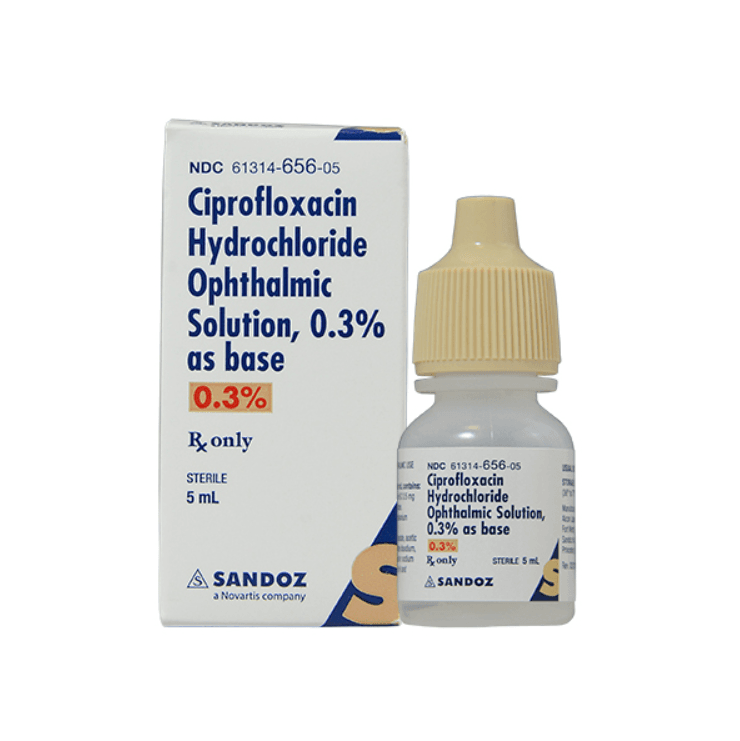
Medication options can include antibiotic eye drops or ointments. Common examples discussed online include erythromycin eye ointment uses, polymyxin trimethoprim eye drops, and fluoroquinolone eye drops indications. Exact choice depends on clinical factors and local resistance patterns. A clinician may also review allergies and prior reactions.
Medispress supports cash-pay access, often without insurance, when that fits the situation. A video visit may be an option for straightforward cases. When clinically appropriate, a clinician can coordinate prescriptions through partner pharmacies, subject to state regulations.
Browsing nearby collections can clarify terminology used in visit notes. The Bacterial Infection page is a broad starting point for bacterial conditions. The Anaerobic Bacterial Infection collection helps explain a common lab term seen in other infections.
Related Resources
Some visits start with a different concern, then shift toward eye symptoms. Bacterial Conjunctivitis can be confused with eyelid irritation, dry eye, or allergy flares. When pain is the main complaint, the Eye Pain Comfort And Care guide offers general context. The Keratoconjunctivitis page can help explain that longer diagnosis label.
For a quick reminder on typical symptom patterns and when to seek urgent care, see American Academy of Ophthalmology pink eye overview. For browsing other bacterial-condition collections on Medispress, the Bacterial Vaginosis page is another example of how listings are organized.
This content is for informational purposes only and is not a substitute for professional medical advice.

Find suitable medication for Bacterial Conjunctivitis

Book a telehealth visit to discuss Bacterial Conjunctivitis
Find a doctor
Speciality
State

Video Visit
$69

Video Visit
$69

Video Visit
$69

Video Visit
$69

Video Visit
$69

Video Visit
$69

Speciality: Dermatology, Family Medicine, Men's Health, Urgent Care, Women's health
Speaks: English, Spanish, French, Arabic, Portuguese
Video Visit
$69

Video Visit
$69

Video Visit
$69

Video Visit
$69

Video Visit
$69

Video Visit
$69
Frequently Asked Questions
Is bacterial conjunctivitis contagious?
Bacterial pink eye can be contagious, especially with active discharge. Spread often happens through hands, towels, pillowcases, or shared eye products. Contagiousness depends on the cause and the stage of illness. Viral conjunctivitis can spread very easily as well, so cause matters. Many schools and workplaces use their own return policies. A clinician can help interpret symptoms and advise on precautions based on context.
What are common bacterial conjunctivitis symptoms?
Symptoms often described include eye redness, gritty sensation, and sticky eyelids. Discharge may be thicker and can cause crusting after sleep. Some people notice mucopurulent discharge, meaning yellow-green mucus. Swelling of the eyelids can happen, and one eye may start first. Symptoms overlap with allergy and viral causes, so appearance alone is not definitive. Clinicians consider timing, exposures, and risk factors like contact lenses.
How long does bacterial conjunctivitis last?
Duration varies based on the cause, severity, and whether treatment is used. Some cases improve over several days, while others can linger longer. Persistent symptoms can also mean the cause was not bacterial. Dry eye, allergy, blepharitis, and viral infections can look similar. Worsening pain, light sensitivity, or vision changes need prompt evaluation. A clinician can suggest next steps and whether in-person care is needed.
What helps a clinician diagnose conjunctivitis during a video visit?
Clear history and good images often make a big difference. Helpful details include when symptoms started, whether one or both eyes are affected, and discharge type. It also helps to note contact lens use, recent colds, allergy history, and known exposures. Photos taken in good light can show redness and crusting more clearly. On Medispress, uploading images in the app can support the clinician’s assessment.
Are antibiotic eye drops always needed for pink eye?
Not always. Some pink eye is viral or allergic, and antibiotics do not treat those causes. Even when bacteria are possible, clinicians weigh symptom severity, risk factors, and exam needs. Contact lens wear, significant pain, or vision changes may push toward in-person evaluation. When antibiotics are appropriate, they require a prescription in the U.S. A clinician decides the safest option based on medical history and local considerations.