


Attention-Deficit Hyperactivity Disorder
Care Options for Attention-Deficit Hyperactivity Disorder
Attention-Deficit Hyperactivity Disorder can affect focus, activity level, and impulse control. This category page supports practical browsing for patients and caregivers. It brings together medication-related listings, plain-language education, and care planning topics. Topics often include ADHD symptoms, ADHD types, and executive function and ADHD. It also highlights common terms like attention deficit disorder (ADD) and newer language. Care is delivered by licensed clinicians practicing in the U.S.
Use this page to compare resources, not to self-diagnose. People may recognize patterns at school, work, or home. Some also track sleep, mood, or anxiety changes over time. This collection keeps the information organized in one place. It can help with visit prep, follow-up planning, and record keeping.
Attention-Deficit Hyperactivity Disorder What You’ll Find
This collection focuses on navigation and context for ADHD care. It may include an ADHD medication overview, plus nonpharmacological ADHD treatments. You will also see supportive topics, like behavioral therapy for ADHD and ADHD coaching. Many people also look for organization and time management ADHD tips. Those topics help with routines and daily planning.
The page also connects related condition collections for easier browsing. For broader symptom themes, review Attention Deficit and Hyperactivity Disorder. These can be useful when terms vary across schools and workplaces. You may also see references to adult ADHD, childhood ADHD, and ADHD in teens. Those labels often change how people discuss supports and accommodations.
- Condition-aligned product and medication listings, when available on the site
- Common vocabulary, including inattentive type ADHD and combined type ADHD
- Practical planning themes, like parenting strategies for ADHD and school accommodations ADHD
- Links to related mental health topics that can overlap with attention concerns
How to Choose
Choosing what to read first can feel overwhelming. Start with the question driving the search today. Some people start with ADHD causes and ADHD risk factors basics. Others focus on functioning, like executive skills, routines, and reminders. Attention-Deficit Hyperactivity Disorder resources can also differ by age group. That includes adult ADHD needs versus school-focused planning.
Match the resource to the situation
- For symptom tracking, look for clear descriptions of ADHD symptoms and patterns
- For evaluation context, learn what an ADHD assessment can include
- For terminology, review ADHD types and how they are commonly described
- For day-to-day planning, prioritize organization and time management ADHD tools
- For school planning, look for school accommodations ADHD and documentation basics
- For therapy context, compare approaches like cognitive behavioral therapy for ADHD
Quick tip: Keep one running note for symptoms, supports tried, and side effects.
Questions to bring to a clinician
- What information supports an ADHD diagnosis in this setting?
- How do DSM-5 ADHD criteria guide evaluation and documentation?
- What ADHD comorbidities should be considered alongside attention concerns?
- What ADHD treatment options fit the person’s goals and daily schedule?
- How will progress be tracked during ADHD management strategies over time?
For therapy planning and expectations, see Online Therapy Dos And Donts. It explains common formats and how to prepare questions. It also clarifies what therapy can and cannot do. That context helps when care involves more than medication decisions.
Safety and Use Notes
Medication and supplements can affect sleep, appetite, and mood. Some prescriptions for ADHD also have misuse risk. That is why clinicians often review history, vitals, and current medications. Attention-Deficit Hyperactivity Disorder can also overlap with anxiety or depression symptoms. Those overlaps can change what monitoring looks like.
For a plain-language overview, see the CDC ADHD overview. For additional clinical context, see the NIMH ADHD topic page. These sources explain core concepts and typical evaluation steps. They also note that symptoms can look different across ages.
- Store medications securely and never share prescriptions with anyone
- Report unexpected mood changes, agitation, or sleep disruption promptly
- Ask about interactions with caffeine, alcohol, and other prescriptions
- Plan ahead for travel, school changes, or shift-work schedule changes
- Use one pharmacy profile to reduce duplicate or conflicting records
Why it matters: Clear records reduce delays when prescriptions require extra verification.
Sleep problems can complicate attention and follow-through. Consider browsing Better Sleep Habits and Treat Insomnia Tips for general lifestyle education. These resources stay non-prescriptive and practical. Appointments run in a secure, HIPAA-compliant mobile app.
Access and Prescription Requirements
Some items in this collection may require a prescription. Prescription-only medications must be reviewed and authorized by a licensed clinician. Pharmacies typically confirm identity and prescription validity before dispensing. That process can include basic checks for safety and regulatory compliance. Attention-Deficit Hyperactivity Disorder care may involve follow-ups to document response and tolerability.
Access may be cash-pay, often without insurance, depending on the service. Requirements can differ by medication type and state rules. When appropriate, clinicians can coordinate prescriptions through partner pharmacies, per state rules. Availability and dispensing always depend on pharmacy policies and local regulations.
- Current medication list, including supplements and caffeine use
- Past diagnoses, prior treatment history, and any relevant records
- Preferred pharmacy details and an up-to-date contact number
- Questions about ADHD treatment options and non-medication supports
- Notes from school or work, if accommodations are part of planning
For visit logistics and setup steps, review Prepare For Telehealth Appointment. It covers camera setup, privacy, and organizing documents. It also explains how to share key concerns clearly. These basics can help the appointment stay focused.
Related Resources
Attention concerns often sit alongside stress, low mood, or panic symptoms. When that happens, it helps to browse related education in one sitting. Attention-Deficit Hyperactivity Disorder planning can include sleep habits, counseling, and routine building. It can also include checking for overlapping conditions that affect focus. These readings support better conversations and clearer questions.
This content is for informational purposes only and is not a substitute for professional medical advice.

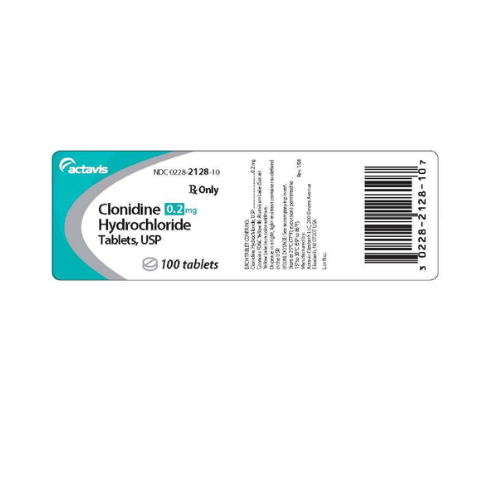
Find suitable medication for Attention-Deficit Hyperactivity Disorder

Book a telehealth visit to discuss Attention-Deficit Hyperactivity Disorder
Find a doctor
Speciality
State

Video Visit
$69

Video Visit
$69

Video Visit
$69

Video Visit
$69

Video Visit
$69

Video Visit
$69

Speciality: Dermatology, Family Medicine, Men's Health, Urgent Care, Women's health
Speaks: English, Spanish, French, Arabic, Portuguese
Video Visit
$69

Video Visit
$69

Video Visit
$69

Video Visit
$69

Video Visit
$69

Video Visit
$69
Frequently Asked Questions
What is included in this category page?
This browse page groups resources connected to attention and hyperactivity concerns. It may include medication-related listings, condition background, and care-planning topics. It also highlights common terms, like ADHD types and executive function challenges. Some links point to related mental health education, like sleep or anxiety topics. Use it to compare information, gather questions, and organize next steps for scheduling or follow-ups.
How is ADHD different in adults versus children?
Symptoms can look different across life stages. In childhood, behavior and school performance often draw attention first. In adults, issues may show up as disorganization, missed deadlines, or restlessness. Context also matters, including job demands and home responsibilities. Clinicians may also review coexisting concerns, like anxiety, depression, or sleep problems. This page groups resources that reflect those differences without replacing an evaluation.
What does prescription verification mean?
Prescription verification is a set of checks required for many prescription medications. A pharmacy may confirm patient identity and validate the prescriber’s information. They also review basic safety details, such as medication history flags. Some medications have extra legal requirements, which can add steps. Verification protects patients and helps pharmacies follow state and federal rules. Requirements vary by medication type and local regulations.
Can telehealth be used for ADHD evaluation and follow-up care?
Telehealth can support evaluation and follow-up for some patients, depending on clinical needs. A licensed clinician decides what is appropriate during the visit. They may review symptoms, history, and functional impact across settings. Some prescriptions may require additional documentation or in-person care. Rules can also vary by state and by medication. Use this page to understand common terms and prepare clear questions for a visit.
What information should I gather before scheduling a visit?
Collect a current medication list, including supplements and caffeine use. Write down key symptoms, when they started, and where they show up. Include examples from school, work, or home routines. Bring prior records if available, such as earlier evaluations or accommodation letters. Note any sleep problems, mood changes, or substance use concerns. This information helps a clinician review the full picture and avoid missing important safety details.