


Atherosclerotic Cardiovascular Disease
Care Options for Atherosclerotic Cardiovascular Disease
Atherosclerotic Cardiovascular Disease is a common type of cardiovascular disease tied to atherosclerosis (plaque buildup in arteries). This category page helps patients and caregivers browse medication options and practical education in one place. It also explains common terms seen in care plans, lab reports, and visit notes. Content focuses on cholesterol management, risk discussions, and typical care pathways. It does not replace individualized diagnosis or treatment planning.
ASCVD can involve coronary artery disease, carotid artery disease, or peripheral artery disease. Many people first encounter it through high LDL cholesterol, hypertension, or diabetes and heart disease. Others learn about risk after a coronary calcium score or family history review. Use this page to compare options and understand common next steps.
Atherosclerotic Cardiovascular Disease: What You’ll Find
This collection brings together condition-relevant prescription options and supporting education. Listings may span first-line cholesterol-lowering therapies and add-on approaches. The page also covers terms used in treatment guidelines and follow-up discussions. It explains what clinicians often monitor over time and why those numbers matter.
Expect plain-language explanations beside clinical terms. For example, LDL cholesterol and apoB both describe “bad-particle” burden in different ways. Triglycerides reflect another blood fat that can rise with insulin resistance. These details help when comparing resources or preparing questions for a visit.
- Medication classes commonly used for lipid lowering and risk reduction
- Background on ASCVD, atherosclerosis, and plaque progression concepts
- Common labs and risk tools, like an ASCVD risk calculator
- Administrative notes on prescription rules and pharmacy coordination
Visits are video-based with U.S.-licensed clinicians.
How to Choose
Many options sound similar on the surface. The best fit often depends on prior history, current labs, and tolerance. Use the page to compare the “why,” not just the name. Keep notes on what has already been tried and what caused problems.
When browsing options for Atherosclerotic Cardiovascular Disease, focus on the clinical role each option plays. Some therapies target LDL lowering as a first step. Others support nonstatin therapy when LDL remains above goal. Some focus on triglycerides or mixed dyslipidemia patterns.
Compare the basics
- Prevention stage: primary prevention versus secondary prevention after an event
- Condition subtype: coronary artery disease, carotid disease, or peripheral artery disease history
- Key numbers: LDL cholesterol, apoB, triglycerides, and blood pressure trends
- Other risks: smoking history, kidney disease, and diabetes status
- Prior medication issues: side effects, interactions, or adherence barriers
Bring the right questions
- Which target matters most right now, LDL, apoB, or triglycerides?
- How often should labs be checked after medication changes?
- What symptoms should prompt earlier follow-up or urgent evaluation?
- Would a lipid clinic (cholesterol specialty clinic) review be helpful?
Quick tip: Keep recent lab PDFs ready for upload during checkout.
Safety and Use Notes
Heart and vascular conditions often come with multiple medications. That raises the chance of interactions and duplicate therapy. A clinician should review the full medication list, including supplements. This matters for blood pressure medicines, diabetes therapies, and anticoagulants.
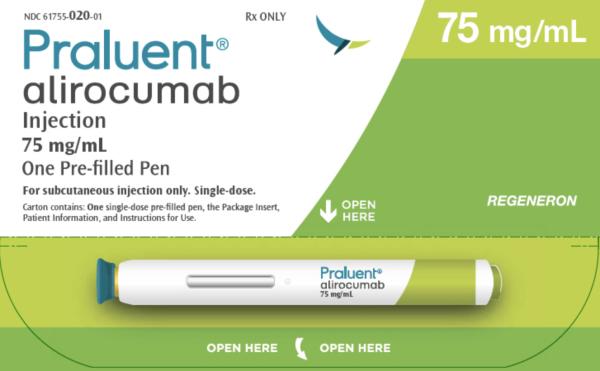
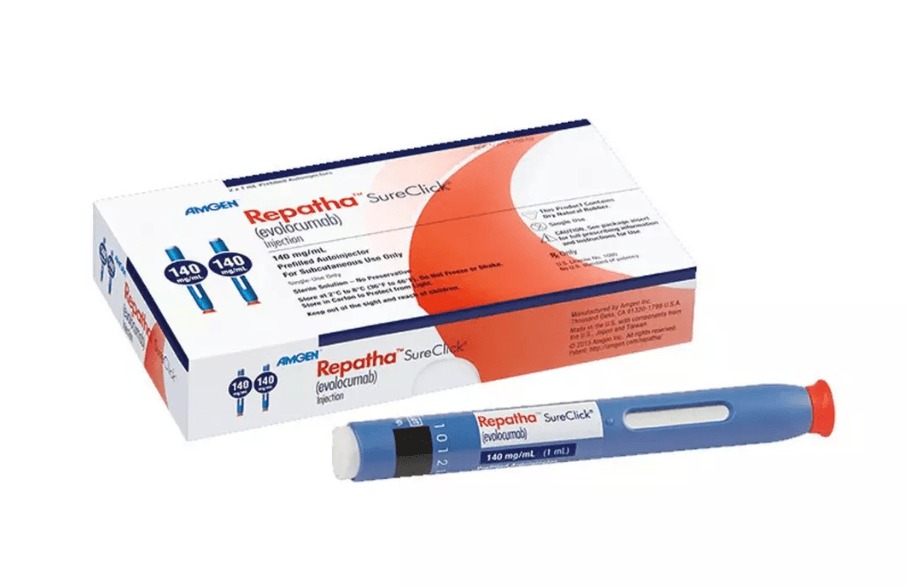
Medication classes can differ in monitoring needs and expected follow-up. Statins are a common foundation in many guidelines. Ezetimibe and PCSK9 inhibitors may appear as add-ons in some plans. Each option has specific labeling, contraindications, and patient selection criteria.
- Share allergy history and prior medication reactions, including muscle symptoms
- Confirm pregnancy or breastfeeding status when relevant to prescribing rules
- Report new chest pain, severe shortness of breath, or neurologic symptoms promptly
- Ask how to interpret lab changes, rather than guessing from one result
Appointments run in a secure, HIPAA-aligned mobile app.
Why it matters: Small LDL changes can shift risk categories over time.
For a plain-language summary, see the CDC cholesterol basics. For broader heart-health context, review the American Heart Association cholesterol information.
Access and Prescription Requirements
Many items in this category are prescription-only. Pharmacies generally require a valid prescription and standard identity checks. Some therapies also need documentation of recent labs or prior medication history. Requirements can vary by medication and by state pharmacy rules.
Medispress supports telehealth visits with a set visit fee for eligible services. Some services support cash-pay access, often without insurance. When prescriptions are appropriate, clinicians may help coordinate fulfillment through partner pharmacies. Dispensing rules and availability depend on state regulations.
- Prescription status: Rx-only versus non-prescription education resources
- Medical history review: prior heart events, procedures, or imaging results
- Lab documentation: recent lipid panel, and sometimes apoB or A1C
- Medication verification: current list, recent changes, and known interactions
If appropriate, clinicians may route prescriptions to partner pharmacies under state rules.
Related Resources
Use this section to build a complete picture of vascular risk. Many people benefit from learning the “language” used in follow-up visits. That includes stroke and heart attack risk terms, screening and diagnosis workflows, and how risk tools are interpreted. It also helps to understand lifestyle changes for heart health, including a heart healthy diet and exercise for cardiovascular health.
Atherosclerotic Cardiovascular Disease planning often touches smoking cessation, blood pressure control, and diabetes management. Those topics can affect plaque progression and long-term outcomes. Review resources at a steady pace and keep notes for the next clinician discussion. Clear records help when comparing options across visits.
This content is for informational purposes only and is not a substitute for professional medical advice.

Find suitable medication for Atherosclerotic Cardiovascular Disease
Book a telehealth visit to discuss Atherosclerotic Cardiovascular Disease
Find a doctor
Speciality
State

Video Visit
$69

Video Visit
$69

Video Visit
$69

Video Visit
$69

Video Visit
$69

Video Visit
$69

Speciality: Dermatology, Family Medicine, Men's Health, Urgent Care, Women's health
Speaks: English, Spanish, French, Arabic, Portuguese
Video Visit
$69

Video Visit
$69

Video Visit
$69

Video Visit
$69

Video Visit
$69

Video Visit
$69
Frequently Asked Questions
What does ASCVD mean?
ASCVD is a common abbreviation for atherosclerotic cardiovascular disease. It describes problems caused by plaque buildup inside arteries over time. Plaque can narrow blood flow and raise clot risk. ASCVD can include coronary artery disease, carotid artery disease, and peripheral artery disease. Clinicians may use the term when discussing stroke and heart attack risk. The exact meaning depends on the person’s history and test results.
What medications are commonly discussed for cholesterol management?
Many care plans start with statins, based on major guidelines and risk level. If LDL remains high, clinicians may consider add-on options. Common examples include ezetimibe and PCSK9 inhibitors. Some people also discuss nonstatin therapy for triglycerides or mixed lipid patterns. Each medication has specific labeling, safety warnings, and monitoring needs. A clinician should match choices to history, labs, and other medicines.
Which labs and risk tools often come up for ASCVD?
A lipid panel is common, including LDL cholesterol and triglycerides. Some clinicians also review apoB, which reflects atherogenic particle number. Blood pressure readings often matter, since hypertension increases vascular risk. Diabetes markers can also matter, such as A1C, when available. Some people discuss an ASCVD risk calculator for primary prevention decisions. Others review imaging results like a coronary calcium score, when already completed.
How do Medispress telehealth visits relate to prescriptions?
Medispress offers telehealth video visits with licensed U.S. clinicians in a secure app. The clinician reviews history and decides what is clinically appropriate. When a prescription makes sense, the clinician may coordinate options through partner pharmacies. Pharmacy fulfillment depends on medication rules and state regulations. Some services support cash-pay access, which can help when coverage is limited. Prescription-only medications still require standard verification steps.
What symptoms should be treated as an emergency with heart or vascular disease?
Some symptoms need urgent evaluation, even when the cause is unclear. Examples include new chest pressure, severe shortness of breath, or fainting. Signs of stroke can include facial droop, arm weakness, or speech trouble. Sudden severe leg pain, coldness, or color change can also be urgent. Emergency services are appropriate when these symptoms appear. After urgent care, follow-up can address longer-term risk management.