


Arthritis
Care Options for Arthritis
Joint pain and stiffness can affect routines, work, and sleep. This collection covers Arthritis in a practical, browsing-first way for patients and caregivers. It brings together condition-aligned pages, general education, and access notes. Expect plain-language terms alongside clinical wording when it helps. Common themes include swollen joints, reduced range of motion, morning stiffness, and flare patterns. Some people notice fatigue, warmth, or redness around a joint. Others mainly feel aching with activity and better comfort at rest. The goal here is to support organized comparison, not self-diagnosis.
Several conditions can sit under the same “joint inflammation” umbrella. Some are degenerative joint disease (cartilage wear over time). Others are autoimmune or crystal-related problems that flare unpredictably. To compare related collections, browse Osteoarthritis and Rheumatoid Arthritis. Access may also matter for planning, including cash-pay options often used without insurance. Prescription verification and licensed dispensing apply when an item requires an Rx.
Arthritis What You’ll Find
This category page focuses on what people often need to sort out first. That includes symptom patterns, likely care paths, and common medication classes a clinician may discuss. It also highlights non-medication supports that can pair with medical care. The listings and resources on this page can help caregivers track details consistently. That makes follow-up conversations more efficient and less stressful.
Many people start with questions about what “inflammatory” versus “wear-and-tear” symptoms feel like. Others want to understand how flare management differs from day-to-day support. Resources may reference NSAIDs (nonsteroidal anti-inflammatory drugs), DMARDs (disease-modifying antirheumatic drugs), and biologics (targeted immune medicines). The page may also touch on topical options, mobility supports, and lifestyle basics. Content stays high-level and avoids dosing or self-treatment instructions.
- Plain-language symptom explanations and common red flags
- Notes on typical care teams and referral patterns
- Overviews of medication categories and what they’re for
- Non-drug supports like exercise, sleep, and weight considerations
- Administrative basics for prescriptions and pharmacy coordination
- Related wellness reading for daily routines and coping
Video visits connect patients with licensed U.S. clinicians for evaluation.
How to Choose
Use this page to compare information in a structured way. Focus on what is known, what is unclear, and what needs clinician input. Avoid “one symptom equals one diagnosis” thinking. Joint problems often overlap, especially early on.
Quick tip: Keep a brief symptom timeline with dates, joints, and triggers.
Match the symptom pattern
- Which joints are affected, and is it one-sided or symmetric?
- Does stiffness improve with movement, or worsen with use?
- Are there visible swollen joints, warmth, or skin changes?
- Are symptoms steady, or do they come in clear flares?
- Do nails, eyes, gut symptoms, or rashes appear alongside joint issues?
Bring practical details into the comparison
- Current medication list, including supplements and topical products
- History of ulcers, kidney disease, or bleeding risk with pain relievers
- Work and caregiving demands that affect rest and movement
- Access needs, like travel limits or preference for video visits
- Comfort goals, such as walking tolerance, sleep quality, or hand function
For movement ideas that fit different ages and abilities, see Daily Exercises For Seniors and Senior Health Tips. These guides focus on daily routines and safe pacing.
Safety and Use Notes
Medication choices for joint conditions can carry meaningful tradeoffs. Some products irritate the stomach or raise bleeding risk. Others affect blood pressure, kidneys, or liver function. Immune-modulating medicines can increase infection risk and require careful monitoring. A clinician can weigh risks against the pattern of symptoms and health history. Arthritis also overlaps with other causes of joint pain, so evaluation matters.
If an NSAID is discussed, it helps to share ulcer history and kidney issues. If a steroid is discussed, it helps to mention diabetes or mood effects. If a DMARD or biologic is discussed, ask how monitoring works and what to watch for. Avoid combining over-the-counter pain relievers without clinician guidance. Also avoid sharing prescription medicines between family members.
For a neutral public-health reference, see this CDC overview of joint symptoms and common conditions.
Appointments happen in a secure, HIPAA-compliant app that protects health information.
Access and Prescription Requirements
Some options in this collection may require a prescription, while others do not. When an Rx is required, pharmacies typically verify the prescription and dispensing details. This helps prevent unsafe duplication and reduces errors. Identification, allergy history, and an up-to-date medication list may also be needed. If a clinician recommends follow-up, timing and documentation can affect refill planning.
Why it matters: Accurate pharmacy details can reduce avoidable delays and mix-ups.
Many people use cash-pay pathways, including options used without insurance. Availability can vary by state rules and pharmacy policies. If telehealth is part of the plan, expect standard medical history questions and symptom review. Keep notes about prior treatments that caused side effects or did not help. That context supports safer decisions.
When appropriate, clinicians can route prescriptions through partner pharmacies under state rules.
Related Resources
Daily habits can influence how joint symptoms feel and how manageable routines become. Sleep, stress load, and activity pacing often shape day-to-day function. For sleep-focused routines, review Better Sleep Habits. For exercise ideas that support cardiometabolic health, see Top Exercises For Diabetes. If weight changes are part of broader health planning, browse Break A Weight Loss Plateau and Lose Weight Fast Daily Habits. For general wellness priorities, use Men's Health Guide.
This content is for informational purposes only and is not a substitute for professional medical advice.

Find suitable medication for Arthritis
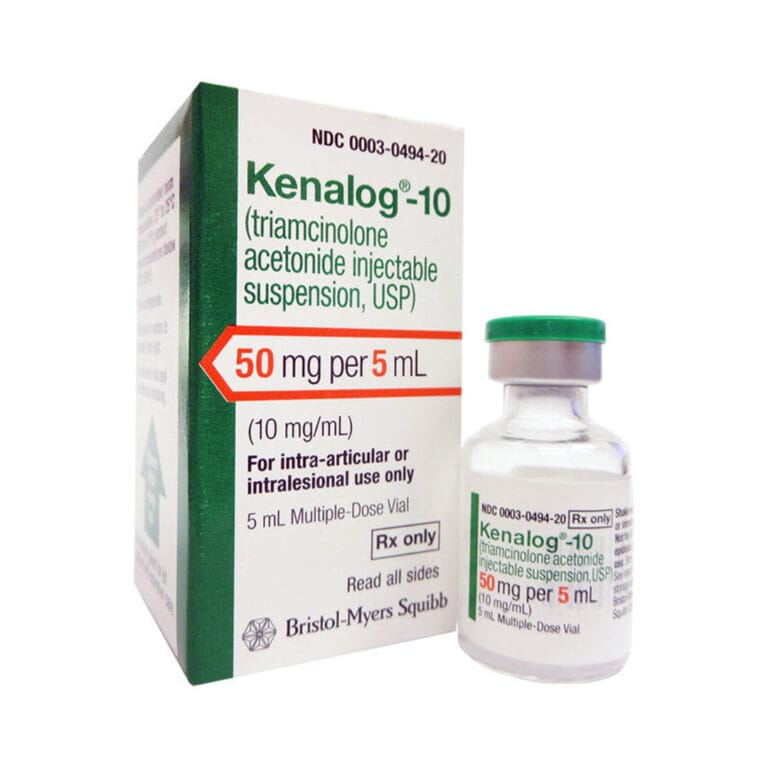
Book a telehealth visit to discuss Arthritis
Find a doctor
Speciality
State

Video Visit
$69

Video Visit
$69

Video Visit
$69

Video Visit
$69

Video Visit
$69

Video Visit
$69

Speciality: Dermatology, Family Medicine, Men's Health, Urgent Care, Women's health
Speaks: English, Spanish, French, Arabic, Portuguese
Video Visit
$69

Video Visit
$69

Video Visit
$69

Video Visit
$69

Video Visit
$69

Video Visit
$69
Frequently Asked Questions
What does this Arthritis category page include?
This page helps organize common joint-related needs in one place. It may include condition collections, practical education, and access notes. Topics often cover symptoms like stiffness, swelling, and flare patterns. It can also summarize medication categories that clinicians may discuss, plus non-drug supports. Use it to compare terminology and to plan questions for a visit. It is not meant to confirm a diagnosis or replace clinician evaluation.
How can I use this page to compare types of arthritis?
Start by comparing symptom patterns and affected joints across related condition pages. Look for whether symptoms are mainly inflammatory (swelling and prolonged stiffness) or more degenerative (pain with use). Note extra features like rashes, nail changes, or back stiffness. Then compare how care teams and medication categories are described. If something does not fit neatly, that is common early on. A clinician can help interpret the pattern in context.
Do joint pain and stiffness always mean arthritis?
No. Joint pain and stiffness can come from many causes. Examples include injury, tendon problems, bursitis, infection, or referred pain from the spine. Some systemic illnesses can also affect joints. This is why symptom timing, joint location, and associated signs matter. If pain is new, severe, or steadily worsening, evaluation is important. Use this page to learn terms and organize history, then discuss next steps with a clinician.
When do arthritis symptoms need urgent care?
Seek urgent evaluation for severe joint pain with fever, sudden inability to bear weight, or rapidly increasing redness and warmth. New chest pain, shortness of breath, one-sided weakness, or confusion also need emergency care. If a joint becomes very swollen after injury, timely assessment helps rule out serious damage. If symptoms follow a new medication and include hives, swelling of the face, or trouble breathing, treat that as an emergency. When in doubt, err on the side of prompt care.
How do prescriptions and pharmacy requirements work for arthritis-related medications?
Some medications used for joint conditions require a prescription. In those cases, a clinician must determine if an option is appropriate. Pharmacies then verify prescription details before dispensing. Rules can vary by medication type and by state. Cash-pay access may be available and is sometimes used without insurance. It helps to keep a current medication list, allergy history, and the preferred pharmacy name and location. That information supports safer coordination and fewer delays.