


Arrhythmia
Care Options for Arrhythmia
Heart rhythm changes can feel scary, sudden, and hard to predict. This Arrhythmia category page gathers practical resources for patients and caregivers. Browse plain-language guides on palpitations (fluttering or racing beats) and heart flutter. See how clinicians group heart rhythm disorders by speed, pattern, and trigger. Use this collection to understand terms before talking with a clinician.
Some rhythm problems start in the atria, the heart’s upper chambers. Others begin in the ventricles, the lower pumping chambers. Common labels include atrial fibrillation, supraventricular tachycardia, and ventricular tachycardia. Rate-only changes may be called bradycardia or tachycardia. Premature ventricular contractions and premature atrial contractions can feel like skipped beats.
Medispress offers flat-fee video visits online with licensed U.S. clinicians.
Arrhythmia: What You’ll Find
This category page brings together ways to explore irregular heartbeat topics. It covers common symptom descriptions, diagnostic language, and care planning terms. Many people see different names for similar sensations across visits. This collection helps translate that terminology into plain English for easier reading.
Expect references to evaluation tools, like an electrocardiogram (ECG, a heart rhythm tracing). Longer monitoring may include a Holter monitor or an event monitor. Some care plans mention an electrophysiology study (a test that maps electrical signals). Procedure terms can include catheter ablation, pacemaker, or an implantable cardioverter defibrillator.
For broader browsing, the Cardiac Arrhythmias Collection groups several rhythm-related topics together. For symptom context that overlaps with rhythm issues, see Heart Disease Warning Signs. These pages can help with vocabulary before a visit. They can also help caregivers track changing symptoms over time.
- Plain-language definitions for common rhythm terms and patterns
- Examples of types, including atrial fibrillation and supraventricular tachycardia
- Monitoring and test terms, including ECG, Holter, and event monitors
- High-level care options, including procedures and implanted devices
- Links to related condition collections and educational pages
How to Choose
Browsing rhythm information works best when details stay specific and dated. Focus on what happened, how it felt, and what was happening then. A short, accurate description often helps a clinician interpret a report. Keep the goal practical and record-based, even when symptoms feel dramatic.
Start with the symptom pattern
- Speed changes: sudden racing beats versus a slow, heavy pulse
- Regularity: steady pounding versus uneven or skipping sensations
- Timing: seconds, minutes, or longer episodes
- Triggers: caffeine, alcohol, sleep loss, illness, or new medications
- Associated signs: dizziness, shortness of breath, chest pressure, or fainting
- History: thyroid disease, sleep apnea, or known structural heart disease
- Family history of sudden cardiac death or inherited rhythm syndromes
Know common test and device terms
Reports often use shorthand that looks intimidating on first reading. One common starting point is an ECG for Arrhythmia screening. Other notes may reference wearable readings, Holter summaries, or event monitor downloads. Some visits also cover lifestyle context like exercise tolerance and recovery. For general heart-health habits, browse Exercise and Cardiovascular Health guidance.
Quick tip: Keep a single list of medications, supplements, and energy products.
- Ask what the report means in plain language, not just code words
- Confirm whether symptoms matched the recorded rhythm pattern
- Clarify whether the issue starts in atria or ventricles
- Note terms like Wolff-Parkinson-White syndrome or long QT syndrome
- Review possible next steps, such as monitoring or specialist referral
Safety and Use Notes
Rhythm symptoms can overlap with other heart and lung problems at times. Serious signs may include fainting, severe shortness of breath, or persistent chest pain. Stroke warning signs, like new one-sided weakness or trouble speaking, need emergency evaluation. Clinicians consider risk factors like age, heart disease, and stroke risk with afib.
Arrhythmia care may involve prescriptions, procedures, or implanted devices, depending on findings. Some medicines and supplements can affect heart rate or electrical timing. Decongestants, stimulants, and some weight-loss products can worsen fast palpitations. Medication changes should come from a clinician who knows the full history.
Appointments run in a secure, HIPAA-compliant app for private communication.
- Share a complete medication list, including over-the-counter products
- Report any fainting, near-fainting, or new neurologic symptoms promptly
- Ask how atrial fibrillation relates to stroke prevention discussions
- Ask whether premature beats are isolated or part of a larger pattern
- Confirm whether long QT syndrome concerns apply to any current medications
Why it matters: Atrial fibrillation can raise stroke risk without obvious symptoms.
Access and Prescription Requirements
Some rhythm-related treatments require a prescription and close clinical oversight. Prescriptions can include rate-control medicines, rhythm-control medicines, or anticoagulants (blood thinners) for certain conditions. Requirements vary by medication and by state health regulations. This category page focuses on navigation and basic expectations for care access.
When Arrhythmia care involves prescriptions, licensed pharmacies must verify the order before dispensing. Some people also use cash-pay options, often without insurance, when that fits the situation. Clinical evaluation still matters, even when paying directly in cash. Documentation from prior testing can help a visit stay focused.
When clinically appropriate, clinicians may coordinate prescriptions through partner pharmacies under state regulations.
- Expect identity checks and prescription verification for prescription-only items when required
- Keep recent test summaries handy, such as ECG or monitor reports
- Plan to share current medications, allergies, and major medical history
- Understand that eligibility can depend on state rules and clinical judgement
Related Resources
Some topics get clearer when narrowed to a specific heart chamber or rhythm pattern. The Ventricular Arrhythmia Collection focuses on rhythms that start in lower chambers. For a wider view of rhythm terminology, look for resources labeled cardiac arrhythmias. Reading the same term in two contexts can reduce confusion.
For an outside reference, see the American Heart Association rhythm disorders page. For atrial fibrillation basics and common evaluation steps, review NHLBI atrial fibrillation information. These references help explain terms seen on monitoring reports.
- Use the symptom checklist above when comparing monitoring options
- Look for terms like supraventricular tachycardia versus ventricular tachycardia
- Keep notes on triggers, timing, and any wearable readings
This content is for informational purposes only and is not a substitute for professional medical advice.

Find suitable medication for Arrhythmia
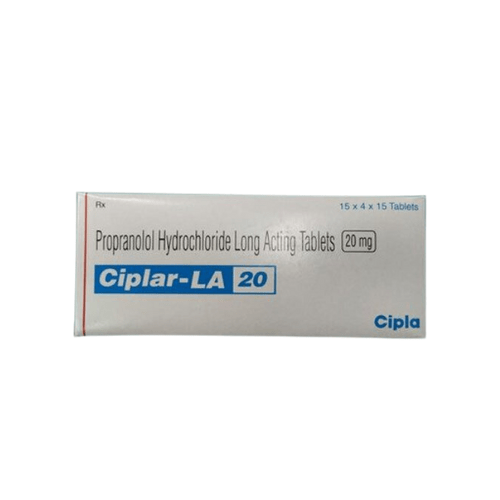
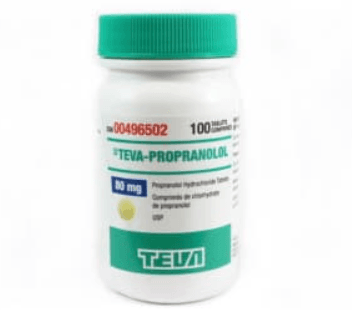
Book a telehealth visit to discuss Arrhythmia
Find a doctor
Speciality
State

Video Visit
$69

Video Visit
$69

Video Visit
$69

Video Visit
$69

Video Visit
$69

Video Visit
$69

Speciality: Dermatology, Family Medicine, Men's Health, Urgent Care, Women's health
Speaks: English, Spanish, French, Arabic, Portuguese
Video Visit
$69

Video Visit
$69

Video Visit
$69

Video Visit
$69

Video Visit
$69

Video Visit
$69
Frequently Asked Questions
What is included in the Arrhythmia category page?
This category page includes plain-language explanations of rhythm terms and common symptom language. It also covers test and monitoring terms, like ECG, Holter monitors, and event monitors. You may see related condition collections that narrow topics by heart chamber or rhythm type. Some pages may reference prescription-only care options at a high level. The content supports browsing and preparation, not diagnosis or treatment decisions.
How can different heart rhythm disorders be compared while browsing?
Start by comparing where the rhythm starts and how fast it runs. Atrial fibrillation starts in the upper chambers and may feel irregular. Supraventricular tachycardia often causes sudden fast, regular episodes. Ventricular tachycardia starts in lower chambers and can be more serious. Bradycardia describes a slow rate, while tachycardia describes a fast rate. Premature beats can feel like skips, even with a normal average rate.
What tests are commonly used to evaluate an irregular heartbeat?
Clinicians often begin with an electrocardiogram, also called an ECG. If symptoms come and go, longer monitoring may be used. Common options include a Holter monitor for continuous tracking and an event monitor for intermittent episodes. Some cases involve an electrophysiology study, which maps electrical signals in the heart. The best test depends on symptom timing, medical history, and safety concerns noted during evaluation.
When do rhythm symptoms need urgent medical attention?
Emergency evaluation is important for chest pain that does not resolve, severe shortness of breath, or fainting. Stroke warning signs also require urgent care, including sudden weakness on one side or new trouble speaking. A very rapid heartbeat with dizziness or near-fainting can also be concerning. Because symptoms can overlap with other serious conditions, timely assessment matters. This page cannot determine urgency for any specific situation.
How do prescriptions work through Medispress for rhythm-related care?
If a prescription is needed, a licensed clinician must evaluate the situation first. Clinicians make the clinical decisions and document the plan from the visit. When a prescription is appropriate, a licensed pharmacy verifies and dispenses it under applicable rules. In some cases, prescriptions may be coordinated through partner pharmacies, depending on state regulations. You can use cash-pay access, often without insurance, when that fits coverage needs.