


Anaphylaxis
Care Options for Anaphylaxis
This category page focuses on Anaphylaxis and practical planning resources for caregivers. It covers common triggers like foods, insect stings, and some medications. It also covers key terms like anaphylactic shock, airway swelling, and hives and angioedema. Suspected anaphylaxis is an emergency and needs urgent medical care. Call 911 or local emergency services for immediate help.
Medispress visits are video-based with licensed U.S. clinicians.
Use this browse page to compare medication types, device formats, and education topics. It can also help organize questions for a clinician visit. The goal is clearer decisions about what to read next or request.
Anaphylaxis What You’ll Find
This collection brings together items commonly discussed in anaphylaxis treatment planning. Many people look for an epinephrine auto-injector option first. Others start by reviewing anaphylaxis symptoms and early warning patterns. Some visitors focus on prevention topics, including known anaphylaxis triggers and risk factors.
Listings may include prescription products and non-prescription supplies. Educational items may cover anaphylaxis first aid, emergency response steps, and action plan basics. References may also touch on special situations, like pediatric anaphylaxis, adult anaphylaxis, and perioperative anaphylaxis. When content mentions mast cell activation, it may explain it as an immune overreaction.
- Prescription categories tied to severe allergic reaction care
- Device-format notes, including storage and expiration considerations
- Common terminology, such as signs of anaphylaxis and airway symptoms
- Background reading on anaphylaxis causes and differential diagnosis
- Planning topics, including anaphylaxis education and action plan elements
How to Choose
Choosing among options often starts with clarity about the setting. Some needs are school or childcare focused. Others are travel focused, including backup plans and replacements. A clinician can help match choices to history and risk.
Compare items with a planning lens
- Intended use-case, such as home, school, work, or outdoor activities
- Whether the item is prescription-only, pharmacy-dispensed, or OTC
- Device handling factors, like portability and temperature sensitivity
- Clear labeling for age groups, including pediatric versus adult use
- Whether education content aligns with current anaphylaxis guidelines
- Practical administration topics, including training approach and reminders
- Renewal needs, including refill timing and expiration-date tracking
Questions to bring to a clinician visit
For Anaphylaxis planning, it helps to ask about trigger avoidance and follow-up. It also helps to ask how a written action plan should be shared. Many caregivers ask about school forms and caregiver training needs. Another common question is how to recognize airway swelling versus other reactions. Questions about biphasic anaphylaxis (a second wave of symptoms) also come up.
Quick tip: Keep a short list of triggers, past reactions, and current medications.
Safety and Use Notes
Anaphylaxis can progress quickly, and it is treated as a medical emergency. Education resources often stress early recognition and rapid emergency response. They may also explain why epinephrine is the standard first-line medication. Some resources describe how hives, wheeze, vomiting, or fainting can appear together.
Appointments run in a secure app designed to meet HIPAA privacy standards.
High-level safety content may cover these common themes:
- Common signs of anaphylaxis, including breathing difficulty and throat tightness
- Common triggers, including food allergy anaphylaxis and insect sting anaphylaxis
- Drug induced anaphylaxis, including reactions to antibiotics or contrast dyes
- Risk factors, such as asthma history or prior severe allergic reaction
- Biphasic reactions, where symptoms return after initial improvement
- When to seek urgent evaluation for anaphylaxis diagnosis and follow-up
Why it matters: Clear definitions reduce delays during an emergency response.
For a concise definition and warning signs, see MedlinePlus.
For professional practice guidance, review resources from American Academy of Allergy, Asthma & Immunology.
Access and Prescription Requirements
Many items linked to anaphylaxis management are prescription-only in the U.S. An epinephrine auto-injector typically requires a valid prescription. Pharmacies also verify prescriptions before dispensing medication. Requirements can vary by state and by pharmacy policy.
Some people use cash-pay options, often without insurance, for speed or simplicity. Availability can still depend on prescriber review and pharmacy inventory. Keep documentation organized for renewals, replacements, and school or workplace forms.
When clinically appropriate, clinicians can route prescriptions to partner pharmacies under state regulations.
Administrative details that often affect access include:
- Identity and contact verification for pharmacy records
- Medication history and allergy history documentation, when requested
- Refill rules and limits set by the prescription and state law
- Substitution rules that may apply to equivalent products
- Pickup or delivery options that depend on pharmacy operations
Related Resources
Use this section to keep reading and stay organized. Practical prep can make clinician conversations smoother, especially for families. It can also help caregivers document anaphylaxis triggers and past reactions clearly. For visit planning, see Virtual Doctor Appointment Checklist.
Many people also look for plain-language summaries of anaphylaxis causes and treatment goals. Others focus on anaphylaxis prevention basics, like avoiding known allergens. If a school or camp is involved, action plan sharing is often a priority. If surgery is planned, perioperative reaction history is worth flagging early. Keeping a timeline of past reactions can support careful review later.
This content is for informational purposes only and is not a substitute for professional medical advice.

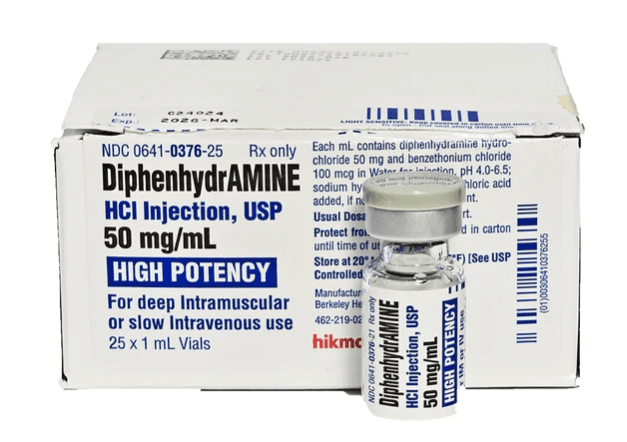
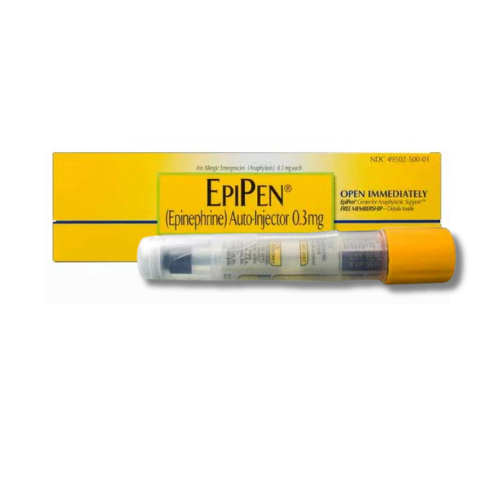
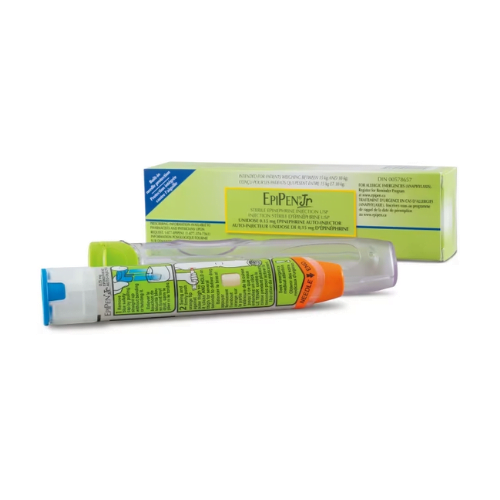
Find suitable medication for Anaphylaxis

Book a telehealth visit to discuss Anaphylaxis
Find a doctor
Speciality
State

Video Visit
$69

Video Visit
$69

Video Visit
$69

Video Visit
$69

Video Visit
$69

Video Visit
$69

Speciality: Dermatology, Family Medicine, Men's Health, Urgent Care, Women's health
Speaks: English, Spanish, French, Arabic, Portuguese
Video Visit
$69

Video Visit
$69

Video Visit
$69

Video Visit
$69

Video Visit
$69

Video Visit
$69
Frequently Asked Questions
What is included on this Anaphylaxis category page?
This page collects common medication and education items linked to severe allergic reactions. It may include prescription products, device-format notes, and reading on warning signs. It also includes practical topics like refill needs, expiration tracking, and action plan sharing. Some visitors use the page to compare terminology, such as anaphylactic shock and airway swelling. Others use it to organize questions for a clinician visit.
Can telehealth be used for anaphylaxis concerns?
Telehealth can help with non-emergency needs, like reviewing history, documenting triggers, or discussing prevention plans. It is not a replacement for emergency care. Anaphylaxis is a medical emergency and needs urgent evaluation. Video visits may be useful after an emergency visit, when follow-up planning is needed. A clinician decides what is appropriate based on the situation and local regulations.
Do epinephrine auto-injectors require a prescription?
In the United States, an epinephrine auto-injector is generally a prescription medication. A licensed clinician must authorize it when it is clinically appropriate. A pharmacy then verifies the prescription before dispensing. Rules can vary by state, and substitutions may depend on pharmacy policy and prescriber instructions. If paperwork is needed for school or work, it may be handled alongside the prescription.
What is biphasic anaphylaxis?
Biphasic anaphylaxis describes symptoms that return after an initial improvement. It is sometimes described as a “second phase” reaction. Education resources often mention it to explain why observation and follow-up can matter. It does not happen in every case, and risk varies across people and situations. A clinician can explain how this concept fits into an overall emergency response and management plan.
What information helps when preparing for an online allergy visit?
Helpful preparation is mostly organizational. Keep a list of suspected triggers, prior reaction dates, and any emergency care visits. Note current medications, including inhalers or antihistamines, if relevant. Photos of labels or discharge paperwork can help with accuracy. Also note where reactions occurred, such as home, school, outdoors, or during a procedure. This supports clearer documentation and faster review.