


Amebiasis
Care Options for Amebiasis
Amebiasis is an intestinal infection caused by a parasite. It is most often linked to contaminated food or water. Some people have mild illness, while others get severe diarrhea or dysentery.
This category page helps patients and caregivers compare care pathways and support options. It also explains common terms tied to diagnosis and prescriptions. Medispress visits are by video with licensed U.S. clinicians.
Many cases involve Entamoeba histolytica information from the CDC, a microscopic parasite. Exposure risk can be higher in endemic areas and during travel. Symptoms may begin after a variable incubation period, so timing can feel unclear.
Amebiasis What You’ll Find
This browse page brings together practical information and items often discussed in care. That includes options tied to intestinal infection symptoms and possible parasite exposure. It is meant to support planning, not replace a clinician’s evaluation.
Many people arrive here after travel-related diarrhea or stomach cramps. Others are sorting out possible waterborne parasite infection exposure at home. The goal is to make the next steps easier to understand.
Common themes on this page include prevention basics and how prescriptions work. It may also include education on complications, like amebic dysentery or amebic liver abscess. Some resources explain why invasive disease can look different from routine gastroenteritis.
- Plain-language explanations of symptoms and risk factors
- Terminology for stool testing and lab results
- High-level treatment pathways and medicine types
- Prevention reminders for safe drinking water and food hygiene
- Administrative notes about prescriptions, verification, and pharmacy coordination
How to Choose
Use this section to compare information by need and urgency. Some resources focus on symptom tracking and exposure history. Others focus on medication categories and follow-up questions.
For Amebiasis, clinicians often ask about travel, water, and food hygiene. A clear timeline can help separate one-time exposure from ongoing risk. It can also support a better differential diagnosis for diarrhea.
Sort by symptom pattern and impact
- Whether symptoms include blood or mucus, not just loose stools
- Signs of dehydration, like very low urine output or dizziness
- Fever, severe belly pain, or symptoms that keep worsening
- Duration of symptoms and whether they come in waves
- Any recent antibiotics, which can change the picture
Match content to the decision you are making
- Education pages: useful for understanding terms like stool ova and parasite test
- Medication pages: useful for spotting common names and safety cautions
- Care options: useful for preparing questions and sharing a clear history
- Prevention content: useful after exposure, travel, or household illness
Quick tip: Keep a simple date list of travel, meals, and symptoms.
It can also help to note common “look-alikes.” Bacterial dysentery can mimic parasite illness. Giardiasis and some viral infections can also overlap. When the cause is uncertain, testing discussions matter more than assumptions.
Safety and Use Notes
Serious diarrhea can cause dehydration fast, especially in older adults. Blood in stool, high fever, or severe weakness deserves prompt medical evaluation. Complications can include liver involvement, which may show up as right upper belly pain.
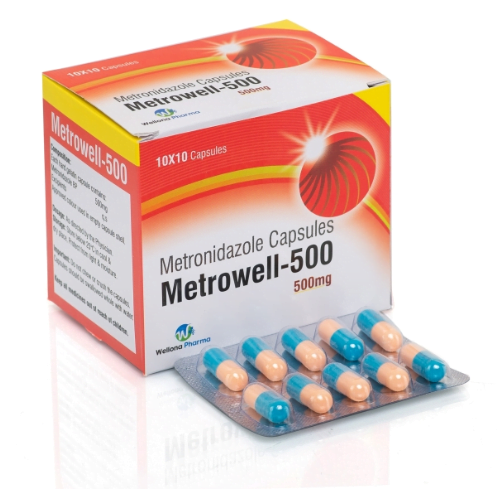
Amebiasis treatment is often described in two parts. One medicine may treat tissue infection, while another clears parasites from the intestine. Commonly discussed options include metronidazole or tinidazole, followed by a luminal agent such as paromomycin. A clinician decides what fits, based on history and risks.
Appointments run in a secure, HIPAA-aware mobile app.
- Share allergy history and current medicines to check for interactions
- Mention pregnancy, breastfeeding, or liver disease when relevant
- Ask how side effects should be monitored and documented
- Clarify what follow-up is typical when symptoms persist
Why it matters: Dehydration and blood loss can become urgent, even without severe pain.
Testing terms can feel confusing. Clinicians may discuss stool microscopy, antigen testing, or other methods. Results can vary by timing and sample handling. That is one reason clear history and repeat testing may be considered.
Access and Prescription Requirements
Some medications used for intestinal parasites require a prescription. Licensed pharmacies verify prescriptions before dispensing. This helps confirm safety checks and appropriate use.
If Amebiasis care is being considered, a clinician still reviews symptoms and history. If clinically appropriate, clinicians can route prescriptions to partner pharmacies, by state rules. Availability can vary with local regulations and pharmacy policies.
- Have an up-to-date medication list and allergy list ready
- Keep prior test results or discharge notes in one file
- Expect identity and prescription verification steps for Rx medicines
- Cash-pay options may be available, often without insurance
When symptoms are severe, remote care may not be enough. In-person evaluation can be needed for dehydration, severe abdominal tenderness, or suspected complications. The right setting depends on the clinical picture, not convenience.
Related Resources
Amebiasis prevention focuses on sanitation and exposure control. Handwashing and sanitation reduce spread in households and shared spaces. Safe drinking water and careful food handling matter most during travel and in high-risk settings.
For broader prevention and travel safety context, review a MedlinePlus patient summary. It can help explain how symptoms can overlap across infections. It can also clarify why stool testing and clinical review may be paired.
- How transmission can occur through contaminated water or food
- Which risk factors raise concern for invasive disease
- Common complication terms, including liver abscess discussions
- Prevention basics for travelers, families, and caregivers
This content is for informational purposes only and is not a substitute for professional medical advice.

Find suitable medication for Amebiasis

Book a telehealth visit to discuss Amebiasis
Find a doctor
Speciality
State

Video Visit
$69

Video Visit
$69

Video Visit
$69

Video Visit
$69

Video Visit
$69

Video Visit
$69

Speciality: Dermatology, Family Medicine, Men's Health, Urgent Care, Women's health
Speaks: English, Spanish, French, Arabic, Portuguese
Video Visit
$69

Video Visit
$69

Video Visit
$69

Video Visit
$69

Video Visit
$69

Video Visit
$69
Frequently Asked Questions
What is amebiasis and how does it spread?
Amebiasis is an infection caused by the parasite Entamoeba histolytica. Spread usually happens when microscopic cysts are swallowed. This can occur through contaminated food or drinking water. It can also spread through poor hand hygiene in shared living settings. Many infections stay mild, but some become severe. Risk may be higher with travel, limited sanitation, or close-contact exposure.
What symptoms are commonly associated with amebiasis?
Symptoms can range from none to severe intestinal illness. People may report diarrhea, belly cramps, nausea, or fatigue. Some develop dysentery, which may include blood or mucus in stool. Fever can occur, especially with more serious infection. In rare situations, infection may affect the liver, causing right upper abdominal pain. Because many conditions overlap, symptoms alone cannot confirm the cause.
How is amebiasis typically diagnosed?
Diagnosis often starts with clinical history, including travel and exposure details. Lab testing commonly involves stool studies, which may include ova and parasite microscopy. Some labs also use stool antigen tests or molecular methods, depending on availability. In certain cases, blood tests or imaging may be discussed, especially if liver involvement is suspected. A clinician interprets results alongside symptoms, timing, and other possible causes.
Why are more than one medicine sometimes discussed for amebiasis?
Clinicians may describe treatment as targeting different locations in the body. One medication may address infection that has moved into tissues. Another medication may clear remaining parasites in the intestine. This approach is sometimes discussed to reduce relapse risk and ongoing shedding. Examples that may come up include metronidazole or tinidazole, followed by a luminal agent such as paromomycin. Medication choice depends on patient history and safety factors.
What information helps when scheduling a telehealth visit for diarrhea after travel?
It helps to have a short timeline of travel dates and destinations. Note any high-risk meals, untreated water, or sick contacts. Write down symptom start date, stool frequency, and whether blood or fever occurred. Keep a list of current medications, allergies, and major medical conditions. If there are prior lab results, attach them if the platform allows. This information supports a focused clinical review.