


Allergic Reactions
Care Options for Allergic Reactions
Allergy symptoms can show up suddenly, or build slowly over hours. This category page helps patients and caregivers browse Allergic Reactions resources with clear, practical context.
It brings together common reaction types, everyday language, and related condition collections. It also links to visit-prep guidance, so scheduling and follow-up feel less stressful.
Allergic Reactions What You’ll Find
This collection focuses on patterns people often describe after exposures. Examples include a food allergy reaction, a drug allergy reaction, an insect sting allergy, or a latex allergy reaction. It can also help separate surface irritation from deeper swelling or breathing symptoms.
You can also browse nearby topics that sometimes overlap in symptoms. For broader background, see Allergic Disorders. For nasal and seasonal symptoms, explore Allergic Rhinitis.
Video visits on Medispress connect patients with licensed U.S. clinicians.
Each page in this area is meant to support browsing and shared understanding. Look for plain descriptions of what symptoms can look like, what triggers are commonly reported, and what questions clinicians often ask. This helps caregivers track details without guessing at a diagnosis.
- Common terms, including hives and allergic rash descriptions
- Examples of typical triggers, like foods, medicines, stings, or contact exposures
- Safety context, including anaphylaxis and angioedema (deeper swelling)
- Links to telehealth planning and what to expect during a visit
How to Choose
When browsing Allergic Reactions information, start by organizing the story. Timing, exposure, and symptom location often matter more than labels.
Start with the trigger and timing
Some reactions start within minutes of exposure. Others are delayed and show up later that day. A delayed allergic reaction can still be important, especially with medication changes. Skin-only irritation after touching a trigger may fit contact dermatitis, while rapid swelling may suggest angioedema.
Note the body systems involved
Skin findings include hives, also called urticaria (raised itchy welts). Breathing symptoms can include wheezing allergy complaints or chest tightness. Facial swelling allergy reports may include lip swelling, eyelid swelling, or generalized puffiness. Digestive symptoms can also happen, especially with foods.
For planning a virtual visit, it helps to review Virtual Doctor Appointment Checklist. Many people also find Prepare For Telehealth Appointment useful for organizing photos and timelines.
- What happened right before symptoms started, including new foods or medicines
- How fast symptoms appeared, and whether they changed over time
- Which areas were involved: skin, eyes, mouth, throat, lungs, or stomach
- Any throat swelling, hoarse voice, or trouble swallowing
- Breathing changes, including wheeze, cough, or shortness of breath
- Past history of anaphylaxis or emergency care for similar symptoms
- Age considerations, including a child allergic reaction versus adult patterns
- Other conditions that may complicate symptoms, including asthma history
- Clear photos of rashes, swelling, or welts, with timestamps if possible
Safety and Use Notes
Because Allergic Reactions can range from mild to life-threatening, safety language matters. Anaphylaxis is a severe whole-body reaction that can affect breathing and blood pressure. Biphasic anaphylaxis (a second wave of symptoms) can occur after initial improvement.
Why it matters: Early recognition supports faster emergency evaluation when symptoms escalate.
For a plain-language overview, see this MedlinePlus Anaphylaxis Page. For specialist guidance, review the AAAAI Anaphylaxis Overview.
- Trouble breathing, wheezing, or persistent coughing
- Throat swelling, voice changes, or trouble swallowing
- Fainting, severe dizziness, or confusion
- Rapid, spreading hives with other system symptoms
- Severe facial swelling, especially around lips or eyes
Some people carry an epinephrine auto-injector, such as EpiPen, for emergencies. Instructions vary by product, so reading the package directions is important. Emergency care is still needed for severe symptoms, even if medication was used. Clinicians may also ask about other medicines that can affect symptom interpretation.
The app is HIPAA-compliant and designed to protect health information.
If video quality is a barrier, Tech Troubles Tips can help set expectations before a visit.
Access and Prescription Requirements
This category page can support cash-pay access, often without insurance, for certain services and medications. Some treatments are over-the-counter, while others require a prescription. Clinicians decide what is clinically appropriate based on symptoms, history, and safety considerations.
When appropriate, clinicians may route prescriptions through partner pharmacies, following state regulations.
Prescription items generally require pharmacy verification steps. This may include confirming the prescriber, checking medication details, and meeting state dispensing rules. Availability can vary by medication type and location-specific regulations, even within the same category.
- A current medication list, including supplements and recent changes
- A list of known allergies and prior reaction history
- Approximate symptom start time and what happened beforehand
- Photos of rash or swelling, with good lighting
- Preferred pharmacy details, when a prescription is clinically appropriate
Quick tip: Keep one updated medication list in your phone notes.
Related Resources
Allergic Reactions can overlap with eye, skin, and airway conditions. For itchy or red eyes, browse Allergic Conjunctivitis. For skin-triggered flares, review Allergic Dermatitis. For people managing asthma alongside allergies, see Severe Allergic Asthma.
For broader visit expectations, What Telehealth Can Treat explains common telehealth use cases. These resources are meant to support browsing and better conversations with clinicians, not self-diagnosis.
This content is for informational purposes only and is not a substitute for professional medical advice.

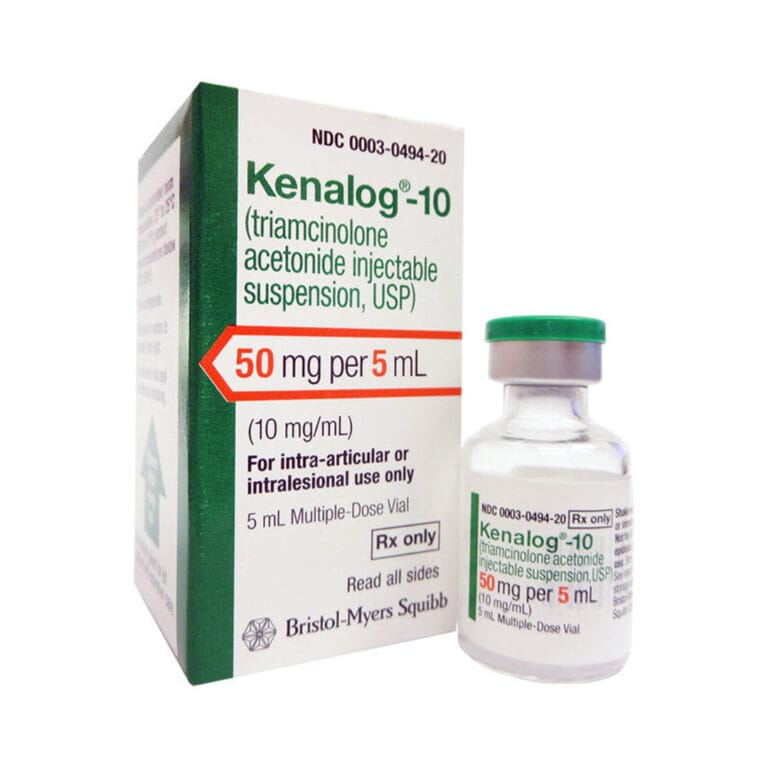
Find suitable medication for Allergic Reactions


Book a telehealth visit to discuss Allergic Reactions
Find a doctor
Speciality
State

Video Visit
$69

Video Visit
$69

Video Visit
$69

Video Visit
$69

Video Visit
$69

Video Visit
$69

Speciality: Dermatology, Family Medicine, Men's Health, Urgent Care, Women's health
Speaks: English, Spanish, French, Arabic, Portuguese
Video Visit
$69

Video Visit
$69

Video Visit
$69

Video Visit
$69

Video Visit
$69

Video Visit
$69
Frequently Asked Questions
What does this Allergic Reactions category page include?
This browse page groups practical resources related to allergy-type symptom episodes. It may include related condition collections, safety context, and visit-prep reading. The goal is to make terms like hives, angioedema, and anaphylaxis easier to understand. It also helps caregivers track timelines and exposures for clearer discussions. Listings and resources vary, and clinicians make all clinical decisions.
How do I decide which related condition page to browse?
Start with where symptoms show up and what triggered them. Eye itching or redness can fit a conjunctivitis collection. A rash after skin contact can fit dermatitis or contact irritation topics. Nasal congestion and sneezing often align with rhinitis content. Breathing issues with allergy history may align with asthma-related collections. Use these pages to compare symptom descriptions and common questions, not to self-diagnose.
When should an allergic reaction be treated as an emergency?
Emergency care is recommended for symptoms that suggest a severe, whole-body reaction. Examples include trouble breathing, throat swelling, fainting, severe dizziness, or rapid symptom spread across the body. These can be signs of anaphylaxis, which can worsen quickly. Even when a person has emergency medication on hand, follow local emergency guidance. For non-urgent concerns, a clinician can help interpret patterns and next steps.
Can telehealth help with allergy symptoms or skin rashes?
Telehealth can be helpful for reviewing symptom timelines, photos, and exposure history. Clinicians may ask about new foods, medicines, stings, or skin contact triggers. They can also help distinguish likely allergy patterns from other common causes. If prescription treatment is clinically appropriate, a provider may coordinate options through partner pharmacies, depending on state rules. Severe symptoms still require in-person emergency evaluation.
What information should I have ready for a virtual visit?
Having a short timeline helps the visit stay focused. Bring a current medication list and any known allergies. If there is a rash or swelling, clear photos taken in good light are useful. Note when symptoms started and what happened beforehand, including foods, new medicines, or stings. Also note any breathing symptoms or throat changes, since those affect urgency. This supports faster, safer clinical decision-making.