


Allergic Conjunctivitis
Care Options for Allergic Conjunctivitis
Allergic Conjunctivitis is a common form of eye allergies. It can cause itchy eyes, swelling, and red watery eyes. This browse page gathers practical resources for patients and caregivers. It highlights common causes, symptom patterns, and treatment categories.
Medispress connects patients with licensed U.S. clinicians for video visits.
Some eye irritation looks similar across conditions. This collection helps compare allergy-related options with other conjunctivitis types. It also links to related allergy topics, like Allergic Rhinitis and broader Allergic Disorders.
Allergic Conjunctivitis: What You’ll Find
This collection focuses on common ways people describe eye allergy flare-ups. It also covers clinical terms used in care settings. Examples include seasonal allergic conjunctivitis and perennial allergic conjunctivitis.
Some pages focus on symptom context and differential diagnosis (sorting similar conditions). Others cover typical product classes seen in allergy care. These can include antihistamine eye drops, mast cell stabilizer eye drops, and artificial tears for allergies.
Because “pink eye” can mean several problems, comparison helps. For example, infectious causes may look different from allergic pink eye. When browsing, it can help to also review Bacterial Conjunctivitis and more complex inflammation like Keratoconjunctivitis.
- Plain-language overviews of eye allergy triggers and patterns
- Notes on allergy-related redness, watering, and itching
- Common nonprescription and prescription-only option categories
- Context on contact lens related eye allergies
- Related allergy collections for browsing and comparison
How to Choose
This category helps organize options around Allergic Conjunctivitis without guessing what is “best.” Listings and resources often differ by use case, age group, and safety considerations. A simple comparison can prevent mixing up similar conditions.
Quick tip: Keep a list of current eye products for easier check-in.
Match the resource to the main concern
- Primary symptom focus, like itching versus burning or gritty feeling
- Timing patterns, including seasonal versus year-round flares
- Likely exposure triggers, including pollen, pets, or dust
- Contact lens use and recent lens solution changes
- History of eczema or asthma, which can cluster with allergies
Use plain labels for comparison shopping
- Look for “antihistamine” versus “mast cell stabilizer” wording
- Separate lubricating drops from medicated drops
- Note whether a product is preservative-free or multi-dose
- Check for age guidance on pediatric allergic conjunctivitis resources
- Review any warnings about glaucoma or cataract risk discussions
It may also help to review visit logistics and expectations. These guides can make scheduling and documentation smoother: Virtual Doctor Appointment Checklist and Prepare For Telehealth Appointment.
Safety and Use Notes
Many eye issues share overlapping symptoms. Allergic Conjunctivitis often features prominent itch and watery tearing. Still, pain, thick discharge, or vision changes may point elsewhere. A clinician may consider allergic conjunctivitis vs viral or allergic conjunctivitis vs bacterial when reviewing symptoms.
Appointments run in a secure, HIPAA-compliant mobile app.
- Seek prompt evaluation for eye pain, light sensitivity, or reduced vision
- Contact lens wear with redness can raise cornea-related concerns
- Unilateral swelling with fever may need urgent in-person assessment
- New severe symptoms in children warrant careful pediatric review
- Recurring episodes may need a broader allergy and eye history
Why it matters: Some red-eye causes need different follow-up and precautions.
Some treatments carry specific risks and require monitoring. For example, steroid eye drops for allergies can cause side effects with misuse. A clinician may also watch for allergic conjunctivitis complications, like corneal involvement. For general background, see this neutral overview from the American Academy of Ophthalmology on conjunctivitis basics.
Access and Prescription Requirements
Eye allergy care can involve both OTC and prescription options. Over the counter allergy eye drops may help mild symptoms for some people. Prescription options may be considered for persistent or severe inflammation. Needs can differ for adult allergic conjunctivitis versus pediatric presentations.
When items require a prescription, licensed pharmacies verify and dispense medications per regulations. Many people also use cash-pay access, often without insurance, when coverage is limited. Product pages typically indicate whether an Rx is required.
- OTC options may include antihistamine drops and lubricating tears
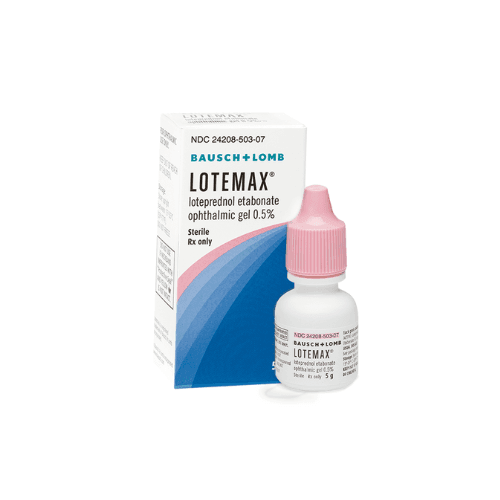
- Rx options may include stronger anti-inflammatory drops when appropriate
- Allergen avoidance for eye allergies is often discussed as prevention
- Cold compress for itchy eyes may appear as supportive care context
- Contact lens hygiene notes may be included for safety context
For an evidence-based overview of allergy triggers and patterns, see this ACAAI page on eye allergy information.
Related Resources
If symptoms overlap with nasal allergy symptoms, related collections can add context. Seasonal flare-ups often align with rhinitis patterns. Browsing Allergic Rhinitis Hay Fever can help connect triggers across eyes and nose. This guide may also help with planning: Seasonal Allergic Rhinitis Tips.
Allergic Conjunctivitis can also occur alongside broader allergic symptoms. If hives, swelling, or medication reactions are part of the story, review Allergic Reactions for related definitions and next-step context.
When appropriate, prescriptions may be coordinated through partner pharmacies under state regulations.
This content is for informational purposes only and is not a substitute for professional medical advice.

Find suitable medication for Allergic Conjunctivitis
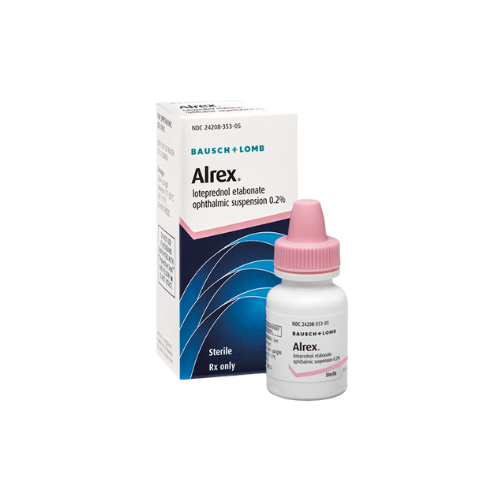
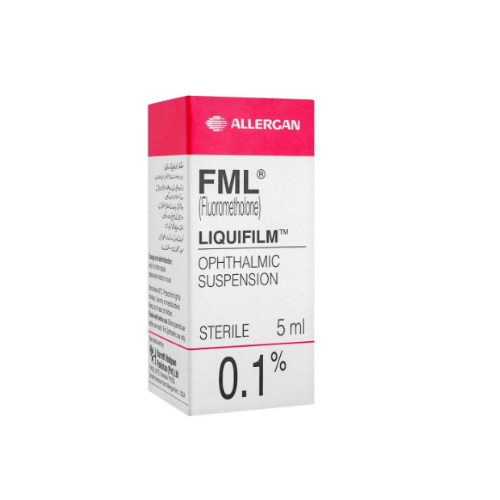
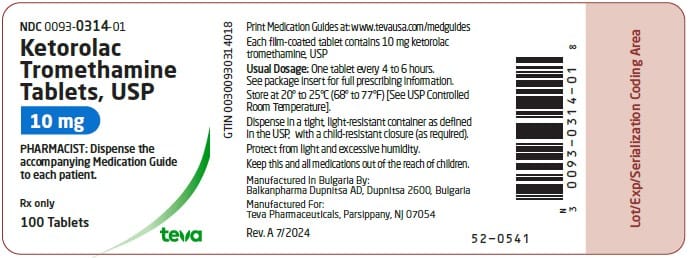

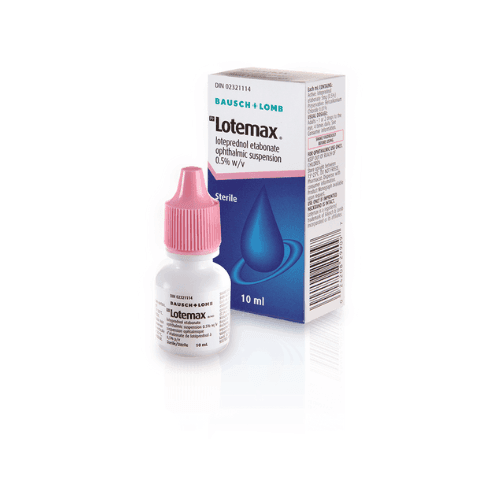

Book a telehealth visit to discuss Allergic Conjunctivitis
Find a doctor
Speciality
State

Video Visit
$69

Video Visit
$69

Video Visit
$69

Video Visit
$69

Video Visit
$69

Video Visit
$69

Speciality: Dermatology, Family Medicine, Men's Health, Urgent Care, Women's health
Speaks: English, Spanish, French, Arabic, Portuguese
Video Visit
$69

Video Visit
$69

Video Visit
$69

Video Visit
$69

Video Visit
$69

Video Visit
$69
Frequently Asked Questions
What is included on this Allergic Conjunctivitis category page?
This page groups common resources and product categories related to eye allergies. It may include OTC drop categories, prescription-only options, and symptom pattern explanations. It also links to related allergy conditions for easier comparison. Use it to scan terminology, like antihistamine drops or mast cell stabilizers. It is built for browsing and planning, not self-diagnosis. A clinician can help confirm what the symptoms match.
How is allergic pink eye different from viral or bacterial conjunctivitis?
Allergic pink eye often centers on itching, tearing, and exposure triggers. Viral conjunctivitis may follow a cold and can be contagious. Bacterial conjunctivitis often causes thicker discharge and crusting. These patterns overlap, especially early on. Contact lens use can change the risk picture and urgency. Because visual changes and pain need careful evaluation, a clinician should review concerning symptoms. The goal is correct identification and appropriate follow-up.
Do all eye allergy treatments require a prescription?
No. Some options are available over the counter, including certain antihistamine drops. Lubricating drops can also support comfort in some cases. Other treatments require a prescription, including some anti-inflammatory drops. Steroid eye drops have important safety considerations and need clinician oversight. Product listings usually state whether an Rx is required. Licensed pharmacies verify prescriptions and follow dispensing rules when needed.
Can telehealth help with eye allergy questions?
Telehealth can help with history-taking and symptom review. A clinician can ask about triggers, timing, and contact lens use. They can also screen for red flags that need in-person care. Some concerns may require an eye exam with specialized equipment. Telehealth works best when good photos and a clear timeline are available. Clinical decisions, including prescriptions, depend on what is appropriate for the case.
What symptoms may need urgent eye care evaluation?
Urgent evaluation is important for eye pain, severe light sensitivity, or vision changes. Thick discharge with swelling can also suggest a different cause. Redness in contact lens wearers can raise cornea concerns. Chemical exposure to the eye needs immediate guidance. Infants and young children with worsening symptoms need prompt review. These situations may require in-person assessment. Use emergency services for severe symptoms or rapid deterioration.