


ALK-Positive Non-Small Cell Lung Cancer
Care Options for ALK-Positive Non-Small Cell Lung Cancer
This category page brings together practical information about ALK-Positive Non-Small Cell Lung Cancer for patients and caregivers. It focuses on clear terms, care navigation, and prescription basics. It also highlights where telehealth and pharmacy coordination may fit into the process.
ALK-positive NSCLC is a type of non-small cell lung cancer driven by an ALK gene change. Some people also hear “ALK rearranged lung cancer” or “EML4-ALK fusion” (a joined-gene change). Treatment choices depend on many details, including stage and symptoms. This page helps organize those details, without replacing oncology guidance.
Medispress offers video telehealth visits with licensed U.S. clinicians.
ALK-Positive Non-Small Cell Lung Cancer What You’ll Find
This collection is built for browsing and orientation. It helps map common terms that appear in clinic notes and medication discussions. It also supports planning for follow-up, monitoring, and day-to-day logistics.
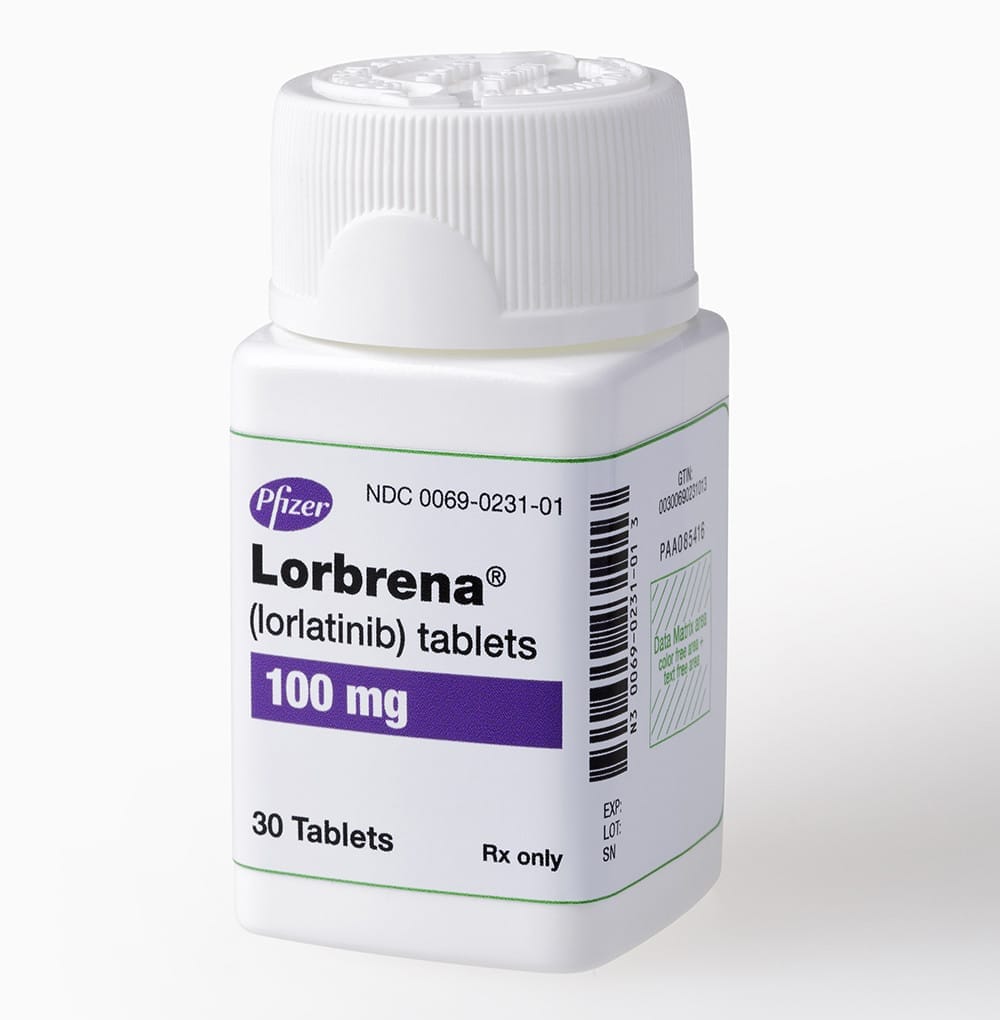
Some listings may relate to targeted therapy for ALK-driven disease, often called ALK inhibitor treatments. You may also see supportive topics tied to quality of life during therapy. Examples include fatigue, sleep disruption, nausea, and mood changes. The goal is to make medical language easier to understand.
Many people worry about spread to the central nervous system. Clinicians may discuss CNS metastases (spread to brain or spinal cord) in ALK-positive NSCLC, along with symptom tracking. This page keeps that conversation high-level and practical.
- Plain-language definitions for common ALK-related terms
- Medication class context, including typical monitoring themes
- Administrative notes for visits, records, and follow-up planning
- Supportive care topics that affect daily routines
- Links to related condition collections and reading
How to Choose
Different resources help at different points in care. A new diagnosis raises different questions than stable disease or progression. Use this section to compare information sources and stay organized.
When browsing ALK-Positive Non-Small Cell Lung Cancer content, look for clear definitions and limits. Strong resources explain what is known, what varies by person, and what needs clinician input. They also describe how clinicians track response, side effects, and possible resistance over time.
Match resources to the care stage
- Staging terms and what they usually describe in plain language
- How clinicians describe first-line therapy versus later-line options
- Notes on brain involvement discussions and symptom reporting
- How clinical trials may be discussed as options in some cases
- Questions to ask about monitoring and follow-up schedules
Plan for a smoother visit
Telehealth works best with the right documents. A simple checklist can reduce missed details. For visit logistics, review Telehealth Online Basics and the Virtual Doctor Visit Guide.
Quick tip: Keep one updated list of medicines, allergies, and recent symptom changes.
A structured question list helps, even during stressful weeks. The prompt list in Top Telehealth Visit Questions can help organize priorities.
Safety and Use Notes
Many people with ALK-Positive Non-Small Cell Lung Cancer hear about targeted medicines called ALK inhibitors. These are prescription-only therapies with important safety considerations. Side effects vary by drug and by person, and they can change over time.
Commonly discussed effects include fatigue, diarrhea or constipation, nausea, swelling, and appetite changes. Clinicians also watch for lab changes, including liver-related blood tests. Some medicines can affect heart rate or rhythm, or blood pressure. Some can also affect mood, sleep, or thinking.
Visits take place in a secure, HIPAA-aligned app built for medical care.
Why it matters: Side effect patterns can guide safer monitoring conversations.
- Share a complete medication list, including supplements and cannabinoids
- Ask what symptoms should be reported urgently versus at follow-up
- Review potential interactions, including antibiotics and antifungals
- Discuss driving, work safety, and fall risk if dizziness occurs
- Clarify what labs or scans are being tracked and why
For general treatment context and terminology, see the National Cancer Institute PDQ.
Access and Prescription Requirements
Access for ALK-Positive Non-Small Cell Lung Cancer treatments often involves prior oncology records. Many therapies are not stocked like routine retail prescriptions. Some are dispensed through specialty channels, depending on the medication and state rules.
Prescription medications require a valid clinician order and identity checks where required. Pharmacies also verify safety details like allergies and current medications. If cash-pay access is used, it is often without insurance, but requirements still apply. Some manufacturers and foundations also have separate assistance rules.
When clinically appropriate, clinicians can coordinate prescriptions through partner pharmacies, depending on state regulations.
- Prescription verification and pharmacist safety screening where required
- Record review needs, such as prior treatment lists or recent labs
- Limits on dispensing based on state law and pharmacy policies
- Steps that can delay starts, like missing documentation or unclear histories
If a video visit runs into issues, the checklist in Smooth Virtual Visit Tips can help avoid repeat problems.
Related Resources
Care often involves more than cancer-directed therapy. Many people manage stress, sleep disruption, or low mood during treatment. Reading on common mental health symptoms can support better conversations with care teams. See Signs Of Anxiety Disorders and Early Signs Of Depression.
It can also help to browse other biomarker-focused condition collections, since terms and workflows can overlap. Related collections include HER2-Positive Breast Cancer and Philadelphia Chromosome Positive ALL. For a patient-friendly overview of treatment types, see Cancer.Net Treatment Options.
This content is for informational purposes only and is not a substitute for professional medical advice.

Find suitable medication for ALK-Positive Non-Small Cell Lung Cancer
Book a telehealth visit to discuss ALK-Positive Non-Small Cell Lung Cancer
Find a doctor
Speciality
State

Video Visit
$69

Video Visit
$69

Video Visit
$69

Video Visit
$69

Video Visit
$69

Video Visit
$69

Speciality: Dermatology, Family Medicine, Men's Health, Urgent Care, Women's health
Speaks: English, Spanish, French, Arabic, Portuguese
Video Visit
$69

Video Visit
$69

Video Visit
$69

Video Visit
$69

Video Visit
$69

Video Visit
$69
Frequently Asked Questions
What does ALK-positive mean in lung cancer?
ALK-positive means the cancer cells have a change involving the ALK gene. Clinicians may also call this an ALK rearrangement or an ALK fusion. One common term is EML4-ALK fusion (a joined-gene change). This subtype can matter because it often leads to discussions about targeted therapy, sometimes called ALK inhibitors. Your oncology team interprets results in the context of stage, symptoms, and prior treatments. Not every resource uses the same wording, so definitions help.
What types of treatments are commonly discussed for ALK-positive NSCLC?
Many care plans include targeted medicines called ALK inhibitors, when appropriate. Teams may also discuss chemotherapy, radiation therapy, surgery, or supportive care, depending on stage and goals. Some people also hear about brain involvement planning because ALK-driven disease can spread to the central nervous system. Clinical trials may be an option in certain situations. Only a licensed clinician can recommend a specific plan. This page is meant to support understanding and organization, not decisions.
What side effects should be reviewed for ALK inhibitor medicines?
Side effects vary by medication and by person. People often discuss fatigue, nausea, diarrhea or constipation, swelling, appetite changes, and skin effects. Clinicians also monitor lab changes, including liver-related blood tests. Some medicines can affect heart rhythm or blood pressure, and some can affect mood, sleep, or thinking. Ask which symptoms should be reported right away versus at a routine follow-up. For urgent symptoms like severe chest pain, trouble breathing, or confusion, seek emergency care.
How do prescriptions work through Medispress?
Medispress supports telehealth visits by video with licensed U.S. clinicians, using a secure app designed for healthcare privacy. The clinician evaluates the situation and makes all clinical decisions. If a prescription is clinically appropriate, the clinician may coordinate options through partner pharmacies, following state-specific rules. Some medications also require extra verification steps, like medication lists and allergy checks. Pharmacy dispensing policies can differ by drug type, especially for specialty therapies.
What information helps a telehealth visit go smoothly?
A short, organized record set helps reduce back-and-forth. Bring a current medication list, including supplements, plus known allergies. Note prior cancer treatments and key dates, if available. Write down new or changing symptoms, when they started, and what makes them better or worse. Prepare a few questions about monitoring, side effects, and next steps. Also plan for basics like a stable connection, a quiet space, and a backup phone number if video drops.